Skip to content
12 Axes Test

Blocs: Meaning of Political, Trade and Military Blocs

A bloc is a group of countries, or of political parties, that act together on shared interests, such as a trade bloc, a military alliance or a voting bloc.

Also calledtrade blocregional blocmilitary alliance
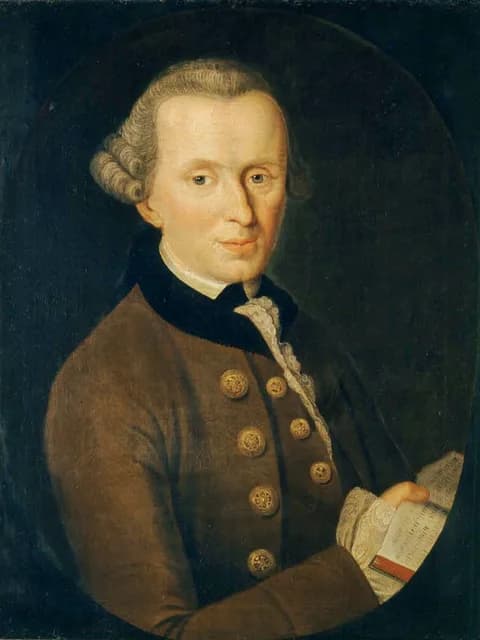
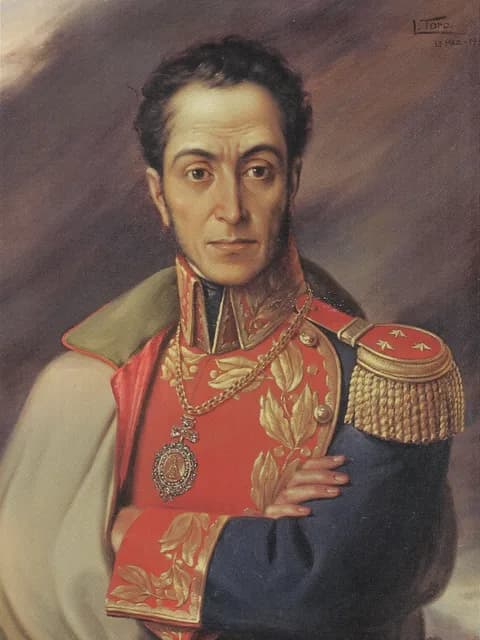
Simón BolívarImmanuel KantHistorical proponents:Simón Bolívar, Immanuel Kant

Where do you stand?

Statement 1 of 3

Countries are stronger inside ⁠, such as the European Union or the African Union, than they are alone.

Nothing is sent anywhere.

What does bloc mean?

In international politics, blocs take several forms. Trade blocs, such as the EU single market or Mercosur, lower barriers among members. Military or security blocs, such as NATO, commit members to mutual defense. Political blocs, like the African Union, coordinate on diplomacy. In the Cold War, “the Eastern bloc” and “the Western bloc” described groups of states aligned with the Soviet Union and the United States.

Joining a bloc can give smaller states more bargaining power and market access, but members accept rules and sometimes give up some control over their own policy.

Who were the key historical thinkers behind bloc?

Influential figures in the 12 axes thinker pool who advocated, analyzed or shaped ideas around this concept.

Simón Bolívar

Simón Bolívar

Liberator of northern South America · 1783–1830

A Venezuelan officer who led armies against Spanish rule in what are now Venezuela, Colombia, Ecuador, Peru and Bolivia, and who argued for strong central government in the new states.

Nationalism vs InternationalismInternationalism

“Called the 1826 Congress of Panama to bind the new American republics into a league for mutual defence.”

Immanuel Kant

Immanuel Kant

German philosopher · 1724–1804

A philosopher from Königsberg who argued that the moral law binds all rational beings, wrote Perpetual Peace in 1795, and held that lasting peace needs republics joined in a league of states.

Nationalism vs InternationalismInternationalism

“Cosmopolitan right and universal hospitality cross national boundaries.”

What are some examples of bloc?

Real cases that people point to when they use the word.

  1. The European Union, a political and economic union of 27 member states.

  2. ASEAN, the Association of Southeast Asian Nations.

  3. The African Union, which brings together 55 member states.

  4. Mercosur, a trade bloc in South America.

What are the arguments for and against bloc?

Reasonable people disagree about this. These are the strongest points made on each side.

Arguments in favor

  • Pooling influence and resources can give members more weight than they would have alone
  • Shared rules can ease trade and make cooperation more predictable

Arguments against and open questions

  • Members may give up some sovereignty or policy freedom
  • Blocs can leave outsiders at a disadvantage and can deepen rivalries between groups

How does bloc show up in the 12 axes test?

The test asks about it in a statement. Your answer moves one axis score.

Agreeing that countries are stronger inside blocs moves your score toward the Internationalism side of the Nationalism vs Internationalism axis.

Which way agreeing pushes the score

NationalismInternationalism

Agreeing with a statement about bloc moves your score toward Internationalism.

Blocs: frequently asked questions

A group of countries that agree to reduce or remove trade barriers among themselves, from a free-trade area to a customs union, a single market or an economic union.

During the Cold War, the Central and Eastern European countries aligned with the Soviet Union, often together with the Soviet Union itself.

On the 12 axes, this term sits on the Nationalism vs Internationalism axis, which asks: “Should a country put its own interests and identity first, or work through shared international rules?” Agreeing with a statement about it moves your score toward Internationalism.

Something else on your mind? Get in touch

Where do you stand on Nationalism vs Internationalism?

Three statements gave you a first reading. The full test scores all twelve axes and finds your closest countries and ideologies.