Skip to content
12 Axes Test

National government: Meaning and Examples

A national government is the government that holds authority over an entire country, as distinct from regional, state or local governments.

Also calledcentral governmentfederal government (in a federation)
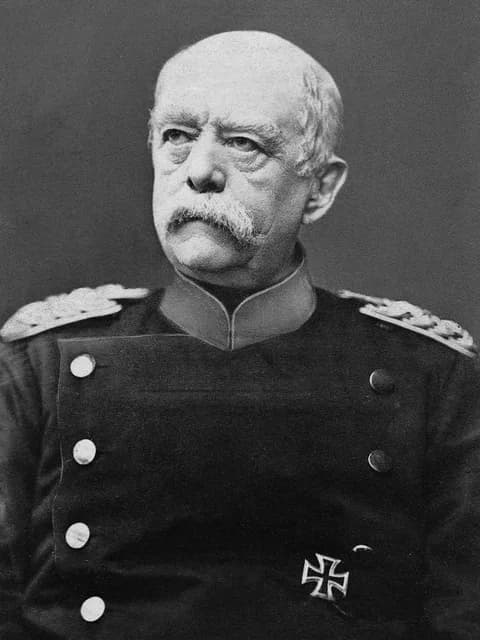
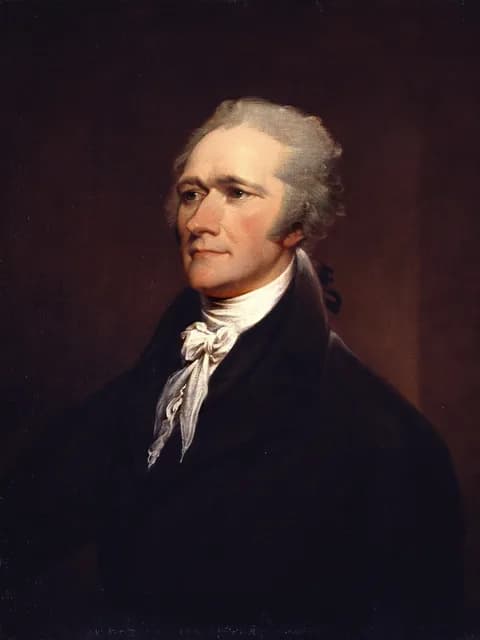
Alexander HamiltonOtto von BismarckHistorical proponents:Alexander Hamilton, Otto von Bismarck

Where do you stand?

Statement 1 of 3

A single should set the main rules so that citizens are treated the same everywhere.

Nothing is sent anywhere.

What does national government mean?

Typical powers of a national government include defense and foreign affairs, currency, trade and immigration, and often taxation and major public services. In unitary states it usually also controls local government; in federal states its powers are shared with state or provincial governments.

Different countries use different terms: “central government”, “federal government” (in federations such as the United States, Germany or Australia), or simply “the government”. How much power the national level should have compared with regions and localities is the core question of the Federal vs Unitary axis.

Who were the key historical thinkers behind national government?

Influential figures in the 12 axes thinker pool who advocated, analyzed or shaped ideas around this concept.

Alexander Hamilton

Alexander Hamilton

Statesman & financier · 1755–1804

The first Treasury secretary, who argued for an energetic national government, a national bank and public support for manufacturing.

Federal vs UnitaryUnitary

“Federalist Nos. 23–36 argue for a national government with full powers over taxes, defence and commerce.”

Otto von Bismarck

Otto von Bismarck

Prussian minister-president & German chancellor · 1815–1898

Prussia’s minister-president and then the first chancellor of the German Empire, who unified Germany through three wars and held it together with alliances, tariffs and state insurance.

Federal vs UnitaryFederal

“Built the Empire as a federation of princes and free cities, with Prussia dominant in the Bundesrat.”

What are some examples of national government?

Real cases that people point to when they use the word.

  1. The federal government of the United States, whose powers are listed in the Constitution, with the rest reserved to the states.

  2. The government of France, which oversees local authorities within a unitary system.

  3. The Government of Canada, which shares powers with ten provincial governments.

What are the arguments for and against national government?

Reasonable people disagree about this. These are the strongest points made on each side.

Arguments in favor

  • Uniform rules and standards across a country
  • Greater capacity to handle problems that cross regional lines, such as defense and the currency

Arguments against and open questions

  • Can be distant from local needs
  • Concentrated power can be harder to hold to account

How does national government show up in the 12 axes test?

The test asks about it in a statement. Your answer moves one axis score.

Agreeing that a single national government should set the main rules moves your score toward the Unitary side of the Federal vs Unitary axis.

Which way agreeing pushes the score

FederalUnitary

Agreeing with a statement about national government moves your score toward Unitary.

National government: frequently asked questions

In a federal country, “federal government” is the usual name for the national government, which shares power with states or provinces. In a unitary country the national government holds most power itself.

Usually it manages defense, foreign policy, the currency and trade, collects national taxes and sets nationwide laws and standards. Which other areas it controls depends on the country.

On the 12 axes, this term sits on the Federal vs Unitary axis, which asks: “Should regions have powers of their own, or should one national government set the rules for everyone?” Agreeing with a statement about it moves your score toward Unitary.

Something else on your mind? Get in touch

Where do you stand on Federal vs Unitary?

Three statements gave you a first reading. The full test scores all twelve axes and finds your closest countries and ideologies.