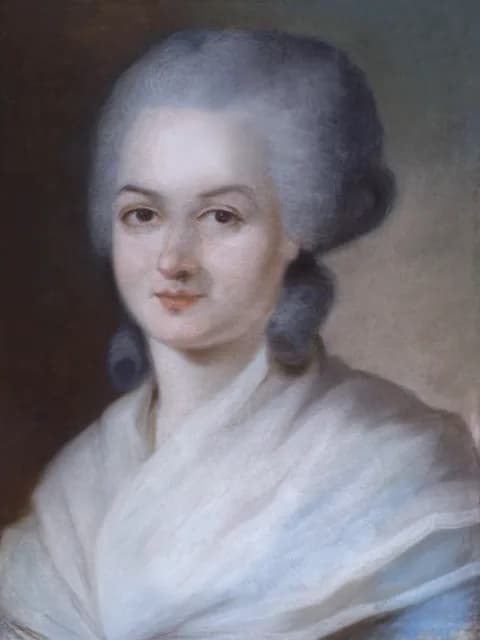
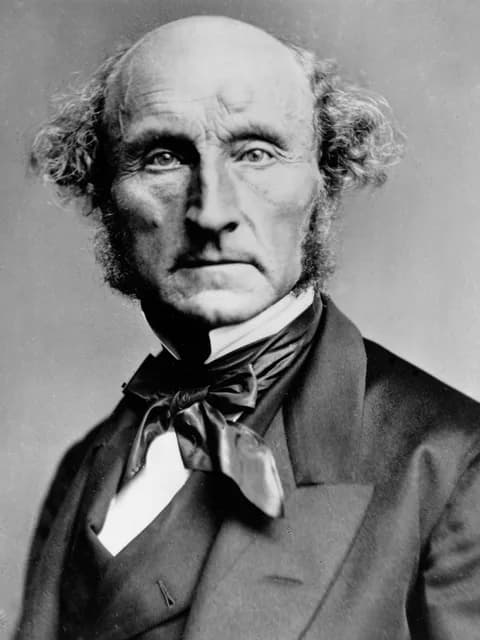
Historically, voting was limited by property, sex, race, religion or education. Movements for universal suffrage gradually extended the vote. New Zealand became the first self-governing country to give women the vote in national elections, in 1893, and many countries followed in the 20th century.
Constitutions often describe elections as held by “universal, equal, direct and secret suffrage”. Universal means all adult citizens, with limited exceptions; equal means each vote counts the same; direct means voters choose their representatives themselves; and secret means no one can see, or be forced to reveal, how someone voted. Some countries still restrict the vote, for example for certain prisoners or for non-citizen residents.