Skip to content
12 Axes Test

Protectionism: Meaning and Examples

Protectionism is the policy of shielding a country’s domestic industries from foreign competition, usually with tariffs, import quotas or subsidies.

Also calledtrade protectionismeconomic nationalism
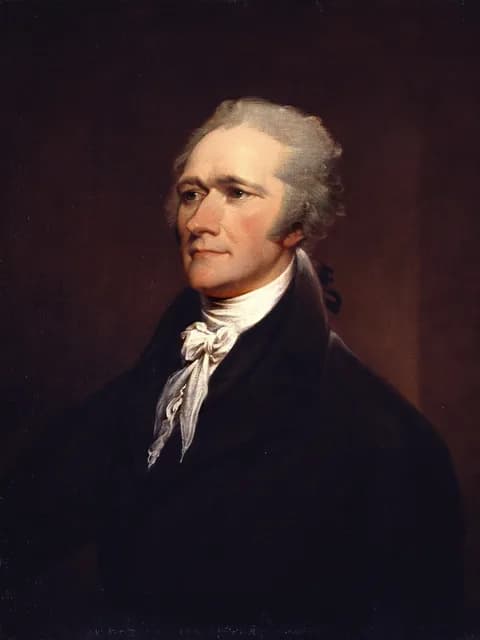
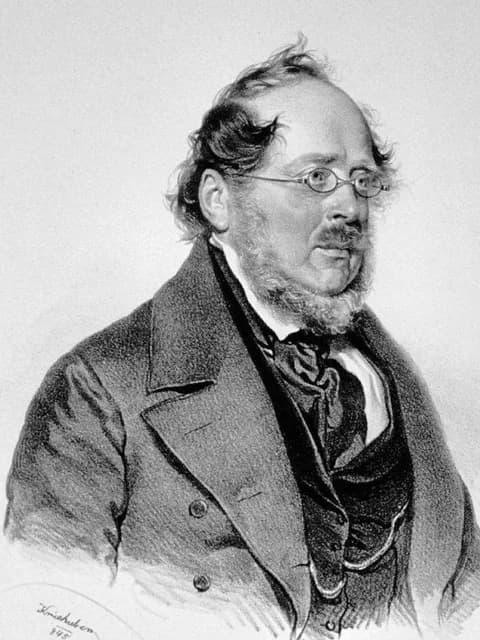
Friedrich ListAlexander HamiltonHistorical proponents:Friedrich List, Alexander Hamilton

Where do you stand?

Statement 1 of 3

⁠, such as tariffs on imports, is justified to defend domestic jobs and industries.

Nothing is sent anywhere.

What does protectionism mean?

Protectionist policies make imported goods more expensive or harder to bring in, or they help domestic producers compete. The main tools are tariffs (taxes on imports), quotas (limits on quantities), subsidies to local firms, and rules such as local-content requirements.

Supporters say protection can defend jobs, nurture young industries and reduce dependence on rivals for critical goods. Critics say it raises prices for consumers, invites retaliation and shelters firms from competition. Most countries use some protection, and the argument is usually about how much, and for which sectors.

Who were the key historical thinkers behind protectionism?

Influential figures in the 12 axes thinker pool who advocated, analyzed or shaped ideas around this concept.

Friedrich List

Friedrich List

German economist · 1789–1846

A German economist who argued that young industries need temporary tariff protection and that nations grow through their productive powers, and who campaigned for a customs union and railways.

Isolationism vs GlobalismIsolationism

“Strategic infant-industry tariffs to develop domestic productive powers before opening.”

Alexander Hamilton

Alexander Hamilton

Statesman & financier · 1755–1804

The first Treasury secretary, who argued for an energetic national government, a national bank and public support for manufacturing.

Isolationism vs GlobalismIsolationism

“Backed tariffs to protect infant American manufactures from British competition.”

What are some examples of protectionism?

Real cases that people point to when they use the word.

  1. The Smoot–Hawley Tariff Act of 1930 in the United States, which raised duties on thousands of imported goods and is often cited in debates about trade wars.

  2. Tariffs and quotas on farm products in many countries, including the EU’s Common Agricultural Policy and Japan’s rice tariffs.

  3. “Infant industry” policies that several East Asian economies used to build up manufacturing in the 20th century.

What are the arguments for and against protectionism?

Reasonable people disagree about this. These are the strongest points made on each side.

Arguments in favor

  • Protects domestic jobs and strategic industries
  • Helps young industries grow before they face global competition
  • Reduces dependence on other countries for essential goods

Arguments against and open questions

  • Raises prices for consumers and for firms that use imported inputs
  • Can trigger retaliation and trade wars
  • Shelters firms from competition, which can reduce efficiency

How does protectionism show up in the 12 axes test?

The test asks about it in a statement. Your answer moves one axis score.

Agreeing with statements about tariffs, self-sufficiency and limits on foreign ownership moves your score toward the Isolationism side of the Isolationism vs Globalism axis. Agreeing with statements in favor of free trade moves it toward Globalism.

Which way agreeing pushes the score

IsolationismGlobalism

Agreeing with a statement about protectionism moves your score toward Isolationism.

Protectionism: frequently asked questions

Free trade: reducing tariffs and other barriers so goods and services cross borders with few restrictions. Most countries sit somewhere between full protection and full free trade.

No. Protectionism is about trade and the economy. Isolationism usually means staying out of other countries’ political and military affairs. The 12 axes test puts both on one axis because they often go together, but they are different ideas.

On the 12 axes, this term sits on the Isolationism vs Globalism axis, which asks: “Should a country shield its economy and stay out of foreign affairs, or open up to the world?” Agreeing with a statement about it moves your score toward Isolationism.

Something else on your mind? Get in touch

Where do you stand on Isolationism vs Globalism?

Three statements gave you a first reading. The full test scores all twelve axes and finds your closest countries and ideologies.