
Skip to content
12 Axes Test

Referendum: Meaning and Examples

A referendum is a direct vote in which an entire electorate is asked to accept or reject a specific proposal, such as a law, a constitutional change or a question of independence.

Also calledplebiscitepopular voteballot measure
Jean-Jacques RousseauThomas PaineHistorical proponents:Jean-Jacques Rousseau, Thomas Paine

Where do you stand?

Statement 1 of 3

Important national questions should be decided by more often.

Nothing is sent anywhere.

What does referendum mean?

Unlike elections to choose representatives, a referendum asks voters to decide an issue directly. Some are binding and the government must act on the result; others are advisory. Some are required by the constitution, for example before changing it, while others are called by governments or triggered by citizens’ petitions.

Switzerland holds national votes several times a year, and US states and many other countries use ballot initiatives and referendums. Supporters say they give citizens a direct voice. Critics say they can oversimplify complex issues, be swayed by campaigns, or let majorities override minorities.

Who were the key historical thinkers behind referendum?

Influential figures in the 12 axes thinker pool who advocated, analyzed or shaped ideas around this concept.

Jean-Jacques Rousseau

Jean-Jacques Rousseau

Genevan philosopher & writer · 1712–1778

A Genevan writer who held that legitimate law expresses the general will of the citizens, and who blamed inequality and the refinements of civilisation for corrupting natural human goodness.

Democratic vs AutocraticDemocratic

“Direct popular sovereignty expressed through the civic assembly and the general will.”

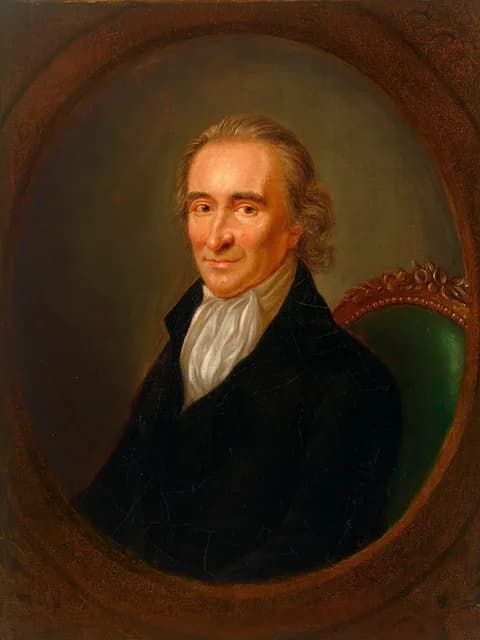
Thomas Paine

Thomas Paine

Pamphleteer & revolutionary · 1737–1809

An English-born pamphleteer whose Common Sense and Rights of Man argued for American independence, republican government and public provision for the poor, and whose Age of Reason attacked revealed religion.

Democratic vs AutocraticDemocratic

“Uncompromising advocate of universal suffrage, representative republic, and overthrow of hereditary rule.”

What are some examples of referendum?

Real cases that people point to when they use the word.

  1. The 2016 UK referendum on leaving the European Union.

  2. Switzerland’s regular national votes on laws and constitutional amendments.

  3. Ireland’s referendums on marriage equality (2015) and on abortion (2018).

  4. Scotland’s 2014 independence referendum.

What are the arguments for and against referendum?

Reasonable people disagree about this. These are the strongest points made on each side.

Arguments in favor

  • Gives citizens a direct say on major decisions
  • Can settle divisive questions with a clear public mandate

Arguments against and open questions

  • Complex issues can be reduced to a yes-or-no question
  • Results can be affected by campaigns and low turnout, and majorities can override minorities

How does referendum show up in the 12 axes test?

The test asks about it in a statement. Your answer moves one axis score.

Agreeing that important national questions should be decided by referendum more often moves your score toward the Democratic side of the Democratic vs Autocratic axis.

Which way agreeing pushes the score

DemocraticAutocratic

Agreeing with a statement about referendum moves your score toward Democratic.

Referendum: frequently asked questions

The words are often used interchangeably. In some countries, “referendum” refers to a vote on a law or constitutional text and “plebiscite” to a vote on a broader question or on a ruler’s mandate.

It depends on the country and the type of vote. Some are legally binding; others are advisory and leave the decision to the legislature.

On the 12 axes, this term sits on the Democratic vs Autocratic axis, which asks: “How should leaders be chosen, and how limited should their power be?” Agreeing with a statement about it moves your score toward Democratic.

Something else on your mind? Get in touch

Where do you stand on Democratic vs Autocratic?

Three statements gave you a first reading. The full test scores all twelve axes and finds your closest countries and ideologies.