Skip to content
12 Axes Test

Subsidize: Meaning of Subsidy and Subsidies

To subsidize is to give financial support, usually from the government, to a person, firm or industry so that a good or service costs less or is more widely available.

Also calledsubsidise (British spelling)subsidy
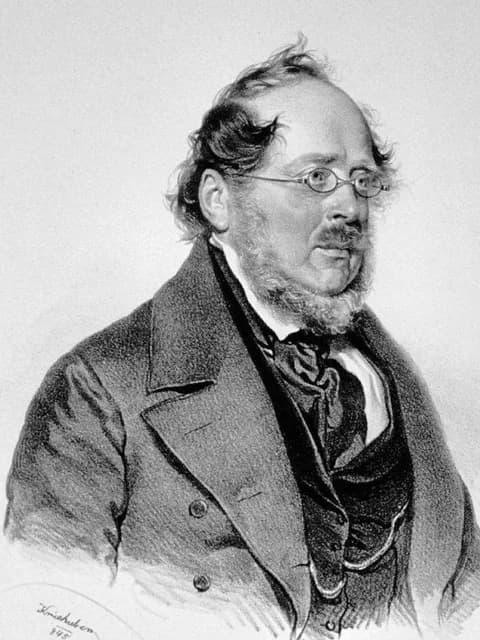
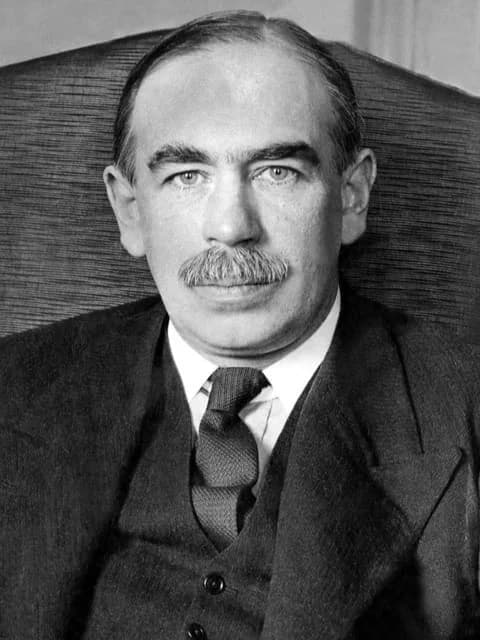
John Maynard KeynesFriedrich ListHistorical proponents:John Maynard Keynes, Friedrich List

Where do you stand?

Statement 1 of 3

Governments should important industries to protect jobs and strategic sectors.

Nothing is sent anywhere.

What does subsidy mean?

A subsidy can be a direct payment, a tax break, a low-interest loan or a guaranteed price. Governments subsidize things they want more of, such as renewable energy, farming, housing, public transport or research, and things they want to keep affordable, such as food or fuel.

Economists generally agree that subsidies can correct market failures, for example by encouraging activities that benefit other people, but they also warn about costs and distortions. Subsidies can protect inefficient producers, benefit those who need help least, and cause friction in international trade, which is why the World Trade Organization has rules on some kinds.

Who were the key historical thinkers behind subsidy?

Influential figures in the 12 axes thinker pool who advocated, analyzed or shaped ideas around this concept.

John Maynard Keynes

John Maynard Keynes

British economist & civil servant · 1883–1946

A British economist who argued that governments should spend to counter slumps, and who helped design the post-war monetary order at Bretton Woods.

Planned vs Laissez-fairePlanned

“The General Theory calls for “a somewhat comprehensive socialisation of investment”, while keeping private production and markets.”

Friedrich List

Friedrich List

German economist · 1789–1846

A German economist who argued that young industries need temporary tariff protection and that nations grow through their productive powers, and who campaigned for a customs union and railways.

Planned vs Laissez-fairePlanned

“Active state development policy, national railway construction, and manufacturing support.”

What are some examples of subsidy?

Real cases that people point to when they use the word.

  1. Farm subsidies in the European Union and the United States.

  2. Tax credits and guaranteed prices for solar and wind power.

  3. Public transport fares kept low through government funding.

  4. Food and fuel subsidies in many developing countries.

What are the arguments for and against subsidy?

Reasonable people disagree about this. These are the strongest points made on each side.

Arguments in favor

  • Can support industries with strategic or environmental value
  • Can make essentials, such as housing or food, more affordable

Arguments against and open questions

  • Costs public money and may favor those with political connections
  • Can distort markets and keep inefficient producers alive
  • Can cause trade disputes between countries

How does subsidy show up in the 12 axes test?

The test asks about it in a statement. Your answer moves one axis score.

Agreeing that governments should subsidize important industries moves your score toward the Planned side of the Planned vs Laissez-faire axis. Agreeing that subsidies should be abolished moves it toward Laissez-faire.

Which way agreeing pushes the score

PlannedLaissez-faire

Agreeing with a statement about subsidy moves your score toward Planned.

Subsidize: frequently asked questions

A subsidy is financial help from the government. A tax break is one form of subsidy, in which the government gives up revenue it would otherwise collect. Both reduce the cost of something for the recipient.

“Subsidise” is the usual British spelling and “subsidize” the American one. They mean the same thing.

On the 12 axes, this term sits on the Planned vs Laissez-faire axis, which asks: “Should government steer the economy, or should markets decide?” Agreeing with a statement about it moves your score toward Planned.

Something else on your mind? Get in touch

Where do you stand on Planned vs Laissez-faire?

Three statements gave you a first reading. The full test scores all twelve axes and finds your closest countries and ideologies.