Skip to content
12 Axes Test

Autocracy: Meaning and Examples

An autocracy is a system of government in which one person or a small group holds unlimited power, with few or no effective checks from elections, courts or a free press.

Where do you stand?

Statement 1 of 3

In some circumstances, can serve a country better than democracy.

Nothing is sent anywhere.

What does autocracy mean?

In an autocracy, those in power are not accountable to the governed in any meaningful way. Autocrats can be hereditary monarchs, military rulers, single-party leaders or personal rulers. Many hold elections or keep a parliament, but these do not threaten their hold on power.

Political scientists distinguish between closed autocracies and “electoral” or hybrid regimes that hold managed elections. Autocracies are usually contrasted with democracies, where power is limited by competitive elections, independent courts and civil liberties. Where a country sits on this spectrum is measured by indexes such as V-Dem, Freedom House and the EIU Democracy Index.
Who were the key historical thinkers behind autocracy?

Influential figures in the 12 axes thinker pool who advocated, analyzed or shaped ideas around this concept.

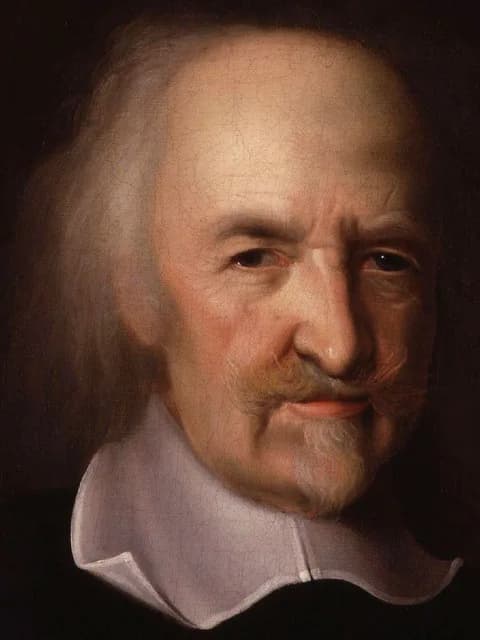
Thomas Hobbes

Thomas Hobbes

Philosopher of sovereignty · 1588–1679

He placed peace and protection at the center of political life, arguing that a common sovereign authority was necessary to prevent civil conflict.

Democratic vs AutocraticAutocratic

“An absolute sovereign, with monarchy preferred though not logically required.”

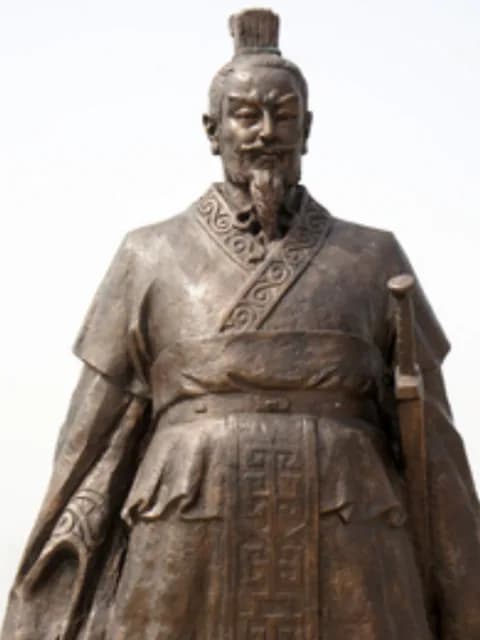
Han Feizi

Han Feizi

Legalist philosopher · c. 280–233 BC

A prince of Han who argued that a ruler should govern through fixed laws, rewards and punishments applied by officials, not through virtue or hereditary privilege.

Democratic vs AutocraticAutocratic

“The ruler must keep the “two handles” of reward and punishment to himself, and ministers’ advice is treated as a threat to him.”

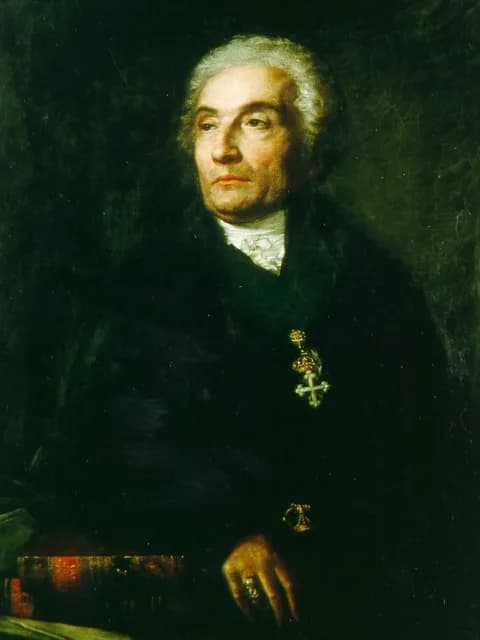
Joseph de Maistre

Joseph de Maistre

Counter-revolutionary philosopher · 1753–1821

A Savoyard diplomat who answered the French Revolution by defending hereditary monarchy, papal authority and tradition as the only secure basis of order.

Democratic vs AutocraticAutocratic

“Considerations on France and Of the Pope hold that sovereignty must be absolute and unaccountable, and that monarchy suits it best.”

What are some examples of autocracy?

Real cases that people point to when they use the word.

  1. Absolute monarchies, such as Saudi Arabia and Brunei, in which the ruler holds ultimate authority.

  2. One-party states, such as North Korea and Vietnam, in which a single party controls politics.

  3. Military governments that take power by coup and rule without competitive elections.

What are the arguments for and against autocracy?

Reasonable people disagree about this. These are the strongest points made on each side.

Arguments in favor

  • Supporters argue that concentrated power can act quickly and provide stability in a crisis
  • Some say that long-term planning is easier without the pressure of election cycles

Arguments against and open questions

  • Without checks, rulers can abuse power, silence critics and favor insiders
  • Autocracies have a mixed record on growth and are prone to succession crises and uncorrected mistakes

How does autocracy show up in the 12 axes test?

The test asks about it in a statement. Your answer moves one axis score.

Agreeing with statements that favor a strong leader or limits on opposition moves your score toward the Autocratic side of the Democratic vs Autocratic axis. Agreeing with statements about equal votes, independent courts and a free press moves it toward the Democratic side.

Which way agreeing pushes the score

DemocraticAutocratic

Agreeing with a statement about autocracy moves your score toward Autocratic.

Autocracy: frequently asked questions

The terms overlap. A dictatorship is usually a form of autocracy in which a single ruler holds absolute power, often having seized it by force. Autocracy is the broader category, which also includes absolute monarchies and some one-party states.

A democracy, in which power is shared and limited by competitive elections, independent institutions and the rule of law.

On the 12 axes, this term sits on the Democratic vs Autocratic axis, which asks: “How should leaders be chosen, and how limited should their power be?” Agreeing with a statement about it moves your score toward Autocratic.

Something else on your mind? Get in touch

Where do you stand on Democratic vs Autocratic?

Three statements gave you a first reading. The full test scores all twelve axes and finds your closest countries and ideologies.