Skip to content
12 Axes Test

Theocracy

A theocracy is a system of government in which religious leaders or religious law hold ultimate authority, and the state is seen as serving a divine order.

How close are you to Theocracy?

Take the test and your match with Theocracy shows up here. It is worked out in your browser and never sent anywhere.

Your alignment--%
Agree onTop 3 axes
Differ onKey gaps

What is Theocracy?

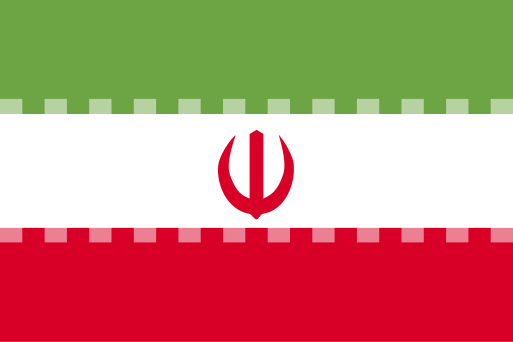
In a theocracy, laws are based on religious scripture or doctrine, and clergy may hold political power or must approve government decisions. Examples range from ancient priest-kings to modern states such as Iran, where elected institutions operate under clerical oversight, and Vatican City.

A theocracy differs from simply having a state religion, and from religious people taking part in politics in a secular state.

What are the core ideas of Theocracy?

The ideas that most people in this tradition would sign up to.

  • Religious law as the basis of the legal system
  • Religious authorities hold or oversee political power
  • The state serves religious aims
  • Public life shaped by religious rules

Where does Theocracy come from?

The word comes from the Greek for “rule of God” and is credited to the first-century historian Flavius Josephus.

Which historical thinkers are closest to Theocracy?

Thinkers whose documented positions on the 12 axes align most closely with this ideology.

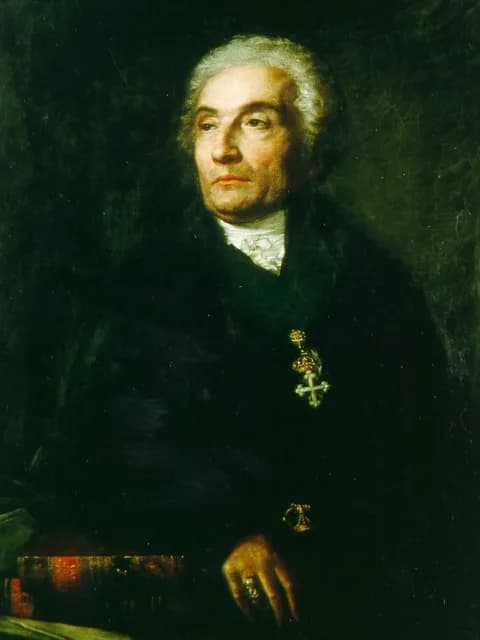
Joseph de Maistre

Joseph de Maistre

Counter-revolutionary philosopher · 1753–1821

A Savoyard diplomat who answered the French Revolution by defending hereditary monarchy, papal authority and tradition as the only secure basis of order.

Closest aligned axisDemocratic vs Autocratic

“Considerations on France and Of the Pope hold that sovereignty must be absolute and unaccountable, and that monarchy suits it best.”
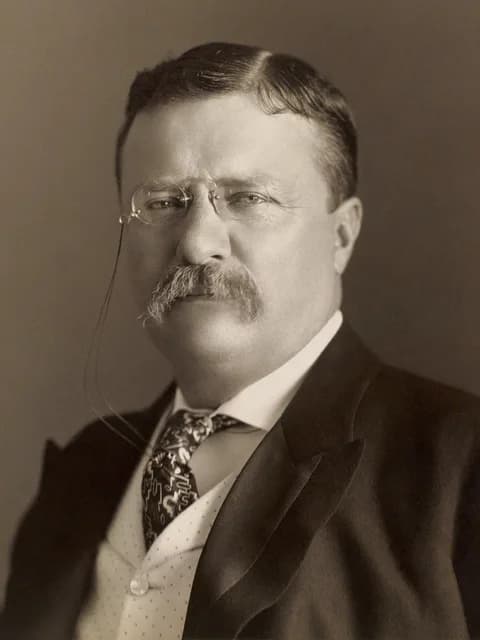
Theodore Roosevelt

Theodore Roosevelt

Twenty-sixth US president · 1858–1919

The US president who broke up trusts, protected large areas of land for conservation and pursued an assertive foreign policy, and who ran again in 1912 on the Progressive ticket.

Closest aligned axisCollectivize vs Privatize

“The New Nationalism puts human welfare above property rights and wants property subject to the public good.”

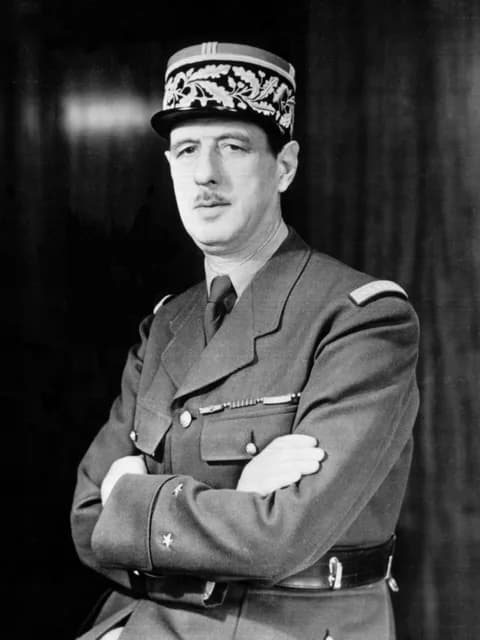
Charles de Gaulle

Charles de Gaulle

Soldier & statesman · 1890–1970

The leader of Free France who returned to power in 1958, wrote the Fifth Republic’s constitution and pursued a foreign policy of national independence.

Closest aligned axisIsolationism vs Globalism

“Shaped the Common Agricultural Policy, which protected European farmers from outside competition.”

Where does Theocracy sit on the 12 axes?

These are its strongest leanings, followed by all twelve axes. They describe the typical version of the tradition.

Strongest leanings

Governmental

Federal vs Unitary
Federal 15%85% Unitary
Democratic vs Autocratic
Democratic 8%92% Autocratic
Security vs Freedom
Security 85%15% Freedom

Diplomatic

Nationalism vs Internationalism
Nationalism 78%22% Internationalism
Militarist vs Pacifist
Militarist 65%35% Pacifist
Assimilationist vs Multiculturalist
Assimilationist 85%15% Multiculturalist

Economic

Collectivize vs Privatize
Collectivize 60%40% Privatize
Planned vs Laissez-faire
Planned 62%38% Laissez-faire
Isolationism vs Globalism
Isolationism 65%35% Globalism

Societal

Irreligious vs Religious
Irreligious 2%98% Religious
Progressive vs Traditional
Progressive 5%95% Traditional
Acceleration vs Bioconservative
Acceleration 28%72% Bioconservative

Editorial estimates for comparison and discussion. Real people and parties in this tradition vary.

Which countries are closest to Theocracy?

Countries whose estimated profile is most like this ideology. No country follows a single ideology, so read this as a comparison, not a label.

What are the main criticisms of Theocracy?

Every tradition has critics. These are the objections most often raised.

  • Critics argue that it limits freedom of conscience and the rights of religious minorities.
  • Some believers argue that mixing religion with political power corrupts religion.

Theocracy: frequently asked questions

A theocracy is a system of government in which religious leaders or religious law hold ultimate authority, and the state is seen as serving a divine order.

It depends on the question, because left and right mix several things. On the 12 axes, Theocracy sits closest to a mix of public and private on economics and to traditional values on social values.

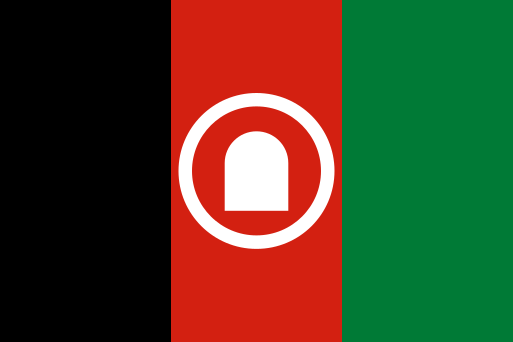
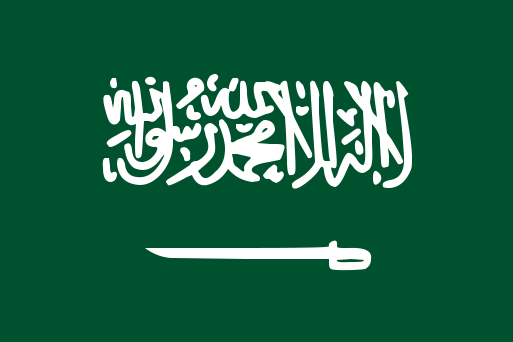
By estimated profile, the closest are Afghanistan, Saudi Arabia, and Iran. No country follows one ideology purely, so treat this as a comparison, not a label.

Critics argue that it limits freedom of conscience and the rights of religious minorities. Some believers argue that mixing religion with political power corrupts religion.

Take the 12 axes test. It scores you on twelve axes and shows how closely your profile matches Theocracy and every other ideology on this site. The calculation happens in your browser.

Something else on your mind? Get in touch

Do you agree with Theocracy?

The test scores you on all twelve axes and ranks every ideology by how well it matches you.