Skip to content
12 Axes Test

The Enlightenment: Meaning and Examples

The Enlightenment was a European intellectual movement of the 17th and 18th centuries that stressed reason, science, individual rights and skepticism of traditional authority.

Where do you stand?

Statement 1 of 3

The ideals of reason, individual rights and progress should guide modern society.

Nothing is sent anywhere.

What does the Enlightenment mean?

Thinkers such as John Locke, Voltaire, Montesquieu, Immanuel Kant and Adam Smith argued that people could use reason to understand the world and improve society. They challenged absolute monarchy and religious authority, and championed freedom of thought, religious tolerance, the separation of powers and natural rights.

Those ideas helped inspire the American and French revolutions and shaped modern liberal democracy, written constitutions and the scientific method. Debate continues about the movement’s legacy, including its blind spots on slavery, colonialism and the status of women.

Who were the key historical thinkers behind the Enlightenment?

Influential figures in the 12 axes thinker pool who advocated, analyzed or shaped ideas around this concept.

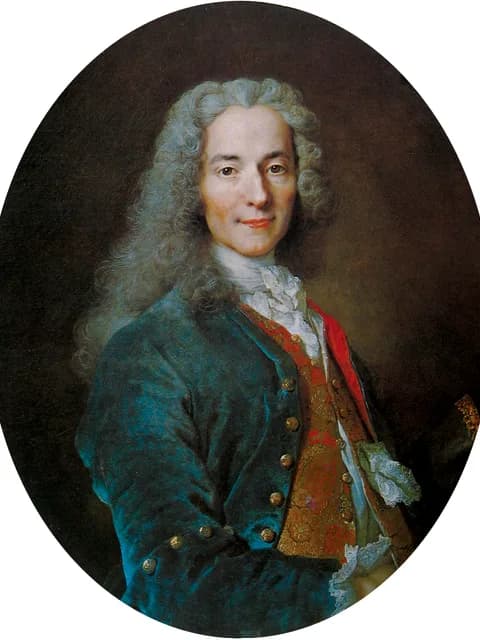
Voltaire

Voltaire

French writer & polemicist · 1694–1778

A French writer who used satire and essays to attack religious persecution and arbitrary justice, and who admired England’s toleration and commerce.

Progressive vs TraditionalProgressive

“The Philosophical Letters hold up English experiment and inoculation as models, and his satire attacks inherited superstition.”

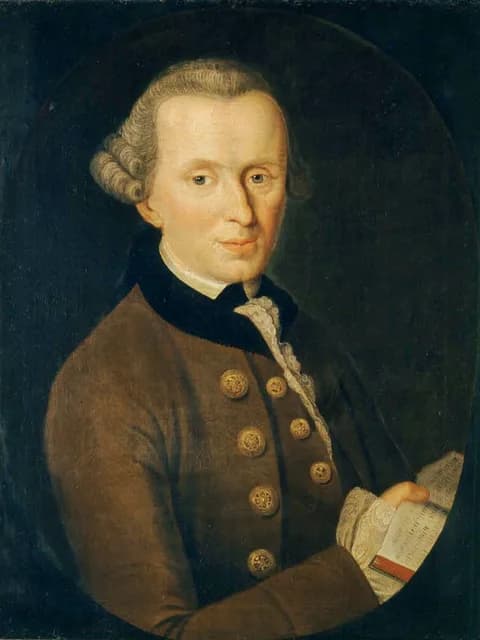
Immanuel Kant

Immanuel Kant

German philosopher · 1724–1804

A philosopher from Königsberg who argued that the moral law binds all rational beings, wrote Perpetual Peace in 1795, and held that lasting peace needs republics joined in a league of states.

Progressive vs TraditionalProgressive

“Treats history as moral progress toward a republican, peaceful order and enlightenment as leaving self-imposed immaturity.”

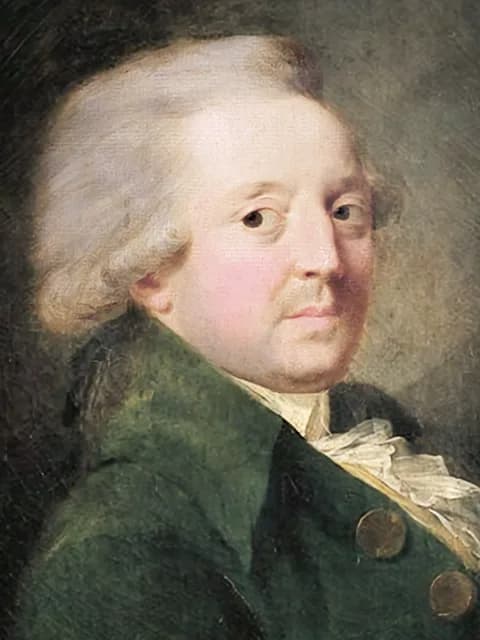
Nicolas de Condorcet

Nicolas de Condorcet

French mathematician & philosopher · 1743–1794

A French mathematician and revolutionary who backed equal rights for women, the abolition of slavery and free public schooling, and who wrote of human progress while hiding from the Terror.

Progressive vs TraditionalProgressive

“The Sketch argues that human progress has no fixed limit and that moral and political institutions can be perfected.”

What are some examples of the Enlightenment?

Real cases that people point to when they use the word.

  1. The US Declaration of Independence (1776) and the French Declaration of the Rights of Man (1789) draw directly on Enlightenment ideas.

  2. Montesquieu’s argument for the separation of powers influenced many written constitutions.

  3. The Encyclopédie, edited by Diderot and d’Alembert, aimed to gather and spread knowledge.

What are the arguments for and against the Enlightenment?

Reasonable people disagree about this. These are the strongest points made on each side.

Arguments in favor

  • Provided the foundation for human rights, constitutional government and open scientific inquiry
  • Encouraged tolerance and the questioning of unjust authority

Arguments against and open questions

  • Critics say its faith in reason underrates tradition, emotion and community
  • Historians note that many Enlightenment thinkers left women, enslaved people and colonized peoples out of their universal claims

How does the Enlightenment show up in the 12 axes test?

The test asks about it in a statement. Your answer moves one axis score.

Agreeing that Enlightenment ideals should guide modern society moves your score toward the Progressive side of the Progressive vs Traditional axis, because it puts reason and individual rights ahead of inherited custom.

Which way agreeing pushes the score

ProgressiveTraditional

Agreeing with a statement about the Enlightenment moves your score toward Progressive.

The Enlightenment: frequently asked questions

Roughly the late 17th century through the late 18th century, often called the Age of Reason. Historians differ on exact dates and on where it began.

That reason, evidence and free inquiry can improve human life, and that people have natural rights that governments should protect. Its thinkers argued for religious tolerance, limits on rulers and the pursuit of knowledge.

On the 12 axes, this term sits on the Progressive vs Traditional axis, which asks: “Should society move on from old customs, or protect them?” Agreeing with a statement about it moves your score toward Progressive.

Something else on your mind? Get in touch

Where do you stand on Progressive vs Traditional?

Three statements gave you a first reading. The full test scores all twelve axes and finds your closest countries and ideologies.