
Skip to content
12 Axes Test

Land reform: Meaning and Examples

Land reform is the redistribution or restructuring of land ownership by the state, often to give more land to small farmers and tenants and to reduce concentrated holdings.

Where do you stand?

Statement 1 of 3

Governments should carry out ⁠, breaking up very large estates and giving the land to those who work it.

Nothing is sent anywhere.

What does land reform mean?

Land reform can mean breaking up large estates, giving titles to people who already farm the land, limiting how much land one owner can hold, regulating rents, or turning communal land into private plots. Governments may pay owners full compensation, partial compensation or none at all.

Reforms have taken place across the world. Japan’s postwar reform created a nation of small owner-farmers, Taiwan and South Korea carried out reforms in the 1950s that are often credited with supporting later growth, and Mexico, Bolivia, Cuba, Zimbabwe and South Africa have had major and contested programs. Results vary widely with how a reform is carried out.

Who were the key historical thinkers behind land reform?

Influential figures in the 12 axes thinker pool who advocated, analyzed or shaped ideas around this concept.

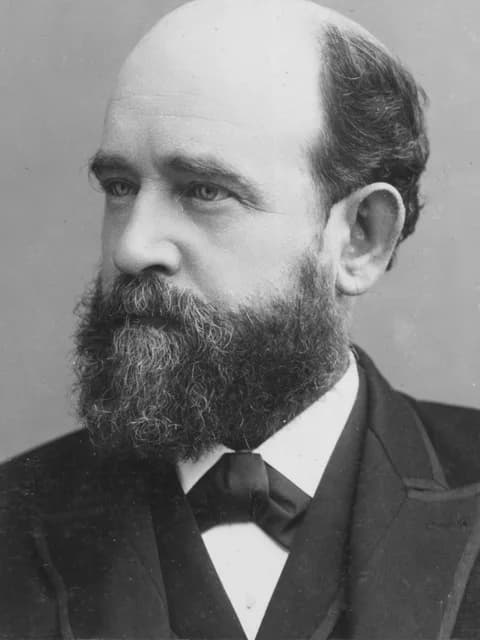
Henry George

Henry George

American political economist · 1839–1897

An American writer whose Progress and Poverty held that the rent of land belongs to the community, and who proposed a single tax on land values in place of other taxes.

Collectivize vs PrivatizeCollectivize

“Land rent should go to the community through a single tax, while earnings and capital stay private.”

Sun Yat-sen

Sun Yat-sen

Founder of the Chinese Republic · 1866–1925

A Chinese revolutionary and first provisional president of the Republic of China in 1912, who set out the Three Principles of the People: nationalism, democracy and livelihood.

Collectivize vs PrivatizeCollectivize

“Principle of People’s Livelihood (Minsheng): regulation of private capital and equalization of land rights.”

What are some examples of land reform?

Real cases that people point to when they use the word.

  1. Japan’s 1946–1950 reform transferred most tenant-farmed land to the farmers who worked it.

  2. Mexico’s ejido system redistributed land to rural communities after the revolution.

  3. South Africa’s ongoing debate about restitution and redistribution of land after apartheid.

What are the arguments for and against land reform?

Reasonable people disagree about this. These are the strongest points made on each side.

Arguments in favor

  • Can reduce rural poverty and inequality
  • Secure ownership can encourage farmers to invest and raise yields

Arguments against and open questions

  • Property-rights advocates object to taking land without full compensation
  • Poorly designed reforms can reduce output and discourage investment

How does land reform show up in the 12 axes test?

The test asks about it in a statement. Your answer moves one axis score.

Agreeing that governments should break up very large estates and redistribute land moves your score toward the Collectivize side of the Collectivize vs Privatize axis; disagreeing moves it toward Privatize.

Which way agreeing pushes the score

CollectivizePrivatize

Agreeing with a statement about land reform moves your score toward Collectivize.

Land reform: frequently asked questions

No. It can also mean registering the titles of people who already farm the land, regulating tenancy or breaking communal land into private plots. Some programs pay full market compensation.

In nationalization the state keeps the land or the business. In many land reforms the state transfers ownership to individuals or communities.

On the 12 axes, this term sits on the Collectivize vs Privatize axis, which asks: “Should important industries and wealth be shared collectively, or owned and kept privately?” Agreeing with a statement about it moves your score toward Collectivize.

Something else on your mind? Get in touch

Where do you stand on Collectivize vs Privatize?

Three statements gave you a first reading. The full test scores all twelve axes and finds your closest countries and ideologies.