Skip to content
12 Axes Test

Affirmative action: Meaning and Examples

Affirmative action refers to policies that give weight to a person’s membership in an under-represented or historically disadvantaged group in areas such as education and employment, to widen access and correct past discrimination.

Also calledpositive discrimination (UK)employment equity (Canada)reservations (India)
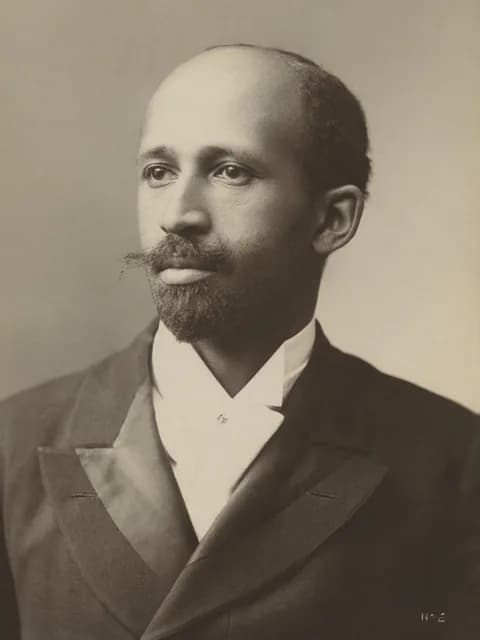
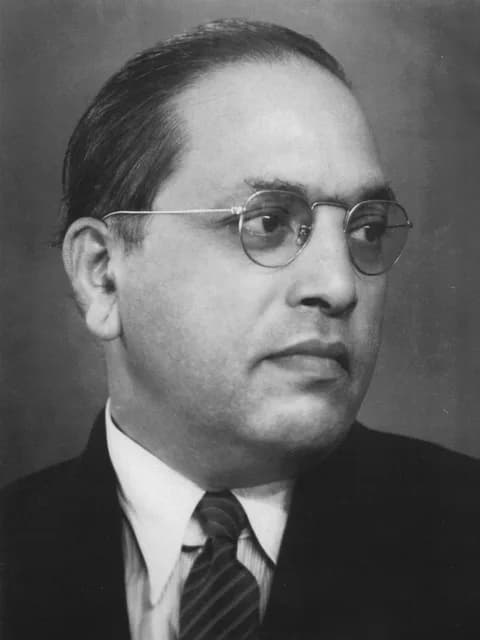
B. R. AmbedkarW. E. B. Du BoisHistorical proponents:B. R. Ambedkar, W. E. B. Du Bois

Where do you stand?

Statement 1 of 3

is a fair way to make up for past discrimination.

Nothing is sent anywhere.

What does affirmative action mean?

Policies vary widely: outreach and recruitment targets, preferences in admissions or hiring, and in some countries formal quotas or reserved places. The aim is to widen opportunity for groups that have faced discrimination and to make institutions more representative.

Examples include India’s system of reservations for historically disadvantaged castes and tribes, university admissions programs in the United States and employment equity laws in Canada. In 2023 the US Supreme Court ruled that race-conscious admissions at Harvard and the University of North Carolina violated the Constitution, which changed the practice at American universities.

Who were the key historical thinkers behind affirmative action?

Influential figures in the 12 axes thinker pool who advocated, analyzed or shaped ideas around this concept.

B. R. Ambedkar

B. R. Ambedkar

Jurist & social reformer · 1891–1956

An Indian jurist born into a Dalit family, who chaired the drafting committee of India’s constitution and campaigned to abolish caste.

Progressive vs TraditionalProgressive

“Annihilation of Caste says caste can end only by rejecting the authority of the shastras that uphold it.”

W. E. B. Du Bois

W. E. B. Du Bois

Sociologist & civil rights leader · 1868–1963

An American sociologist who co-founded the NAACP and argued that Black Americans should claim full citizenship without giving up a spirit of their own, then turned to Pan-Africanism, socialism and the peace movement.

Progressive vs TraditionalProgressive

“The Stanford Encyclopedia reads his early politics as expressive modernization, which brings the masses into the norms of modern life while heeding the ethos of the folk.”

What are some examples of affirmative action?

Real cases that people point to when they use the word.

  1. India’s constitutionally backed reservations in education, public jobs and legislatures for Scheduled Castes and Scheduled Tribes.

  2. South Africa’s Employment Equity Act, which requires employers to promote fair representation.

  3. Race-conscious college admissions in the United States, curtailed by the Supreme Court’s 2023 decision.

What are the arguments for and against affirmative action?

Reasonable people disagree about this. These are the strongest points made on each side.

Arguments in favor

  • Counteracts the lasting effects of past and present discrimination
  • Builds more diverse institutions that better reflect society

Arguments against and open questions

  • Critics say that giving weight to group identity is itself unfair to individuals
  • Some argue it can stigmatize beneficiaries, or that it should focus on economic disadvantage instead

How does affirmative action show up in the 12 axes test?

The test asks about it in a statement. Your answer moves one axis score.

Agreeing with a statement in favor of affirmative action moves your score toward the Progressive side of the Progressive vs Traditional axis; disagreeing moves it toward Traditional. It is one of the most disputed questions on the axis, and people who agree on the goal of equal opportunity often disagree on the method.

Which way agreeing pushes the score

ProgressiveTraditional

Agreeing with a statement about affirmative action moves your score toward Progressive.

Affirmative action: frequently asked questions

Not necessarily. Quotas set a fixed number or share of places. Many affirmative action programs only add weight to group membership among other factors, or aim to widen outreach, and in some places quotas are not allowed.

Terms include positive action or positive discrimination in the UK, employment equity in Canada and reservations in India.

On the 12 axes, this term sits on the Progressive vs Traditional axis, which asks: “Should society move on from old customs, or protect them?” Agreeing with a statement about it moves your score toward Progressive.

Something else on your mind? Get in touch

Where do you stand on Progressive vs Traditional?

Three statements gave you a first reading. The full test scores all twelve axes and finds your closest countries and ideologies.