Skip to content
12 Axes Test

Classical Liberalism

Classical liberalism defends individual liberty, limited government, the rule of law, free markets and free trade.

Strongest leanings

  1. Democratic92%
  2. Globalism90%
  3. Freedom88%
See all twelve axes

How close are you to Classical Liberalism?

Take the test and your match with Classical Liberalism shows up here. It is worked out in your browser and never sent anywhere.

Your alignment--%
Agree onTop 3 axes
Differ onKey gaps

What is Classical Liberalism?

Classical liberals hold that people flourish when they are free to speak, worship, own property and trade, and that the main job of government is to protect those rights. They are skeptical of large welfare states and economic planning.

The tradition draws on thinkers such as John Locke, Adam Smith and John Stuart Mill.

What are the core ideas of Classical Liberalism?

The ideas that most people in this tradition would sign up to.

  • Individual rights and the rule of law
  • Limited, constitutional government
  • Private property and free markets
  • Free trade between nations
  • Freedom of speech and religion

Where does Classical Liberalism come from?

It emerged from the Enlightenment and from the struggle against absolute monarchy and mercantilism in the 17th and 18th centuries.

Which historical thinkers are closest to Classical Liberalism?

Thinkers whose documented positions on the 12 axes align most closely with this ideology.

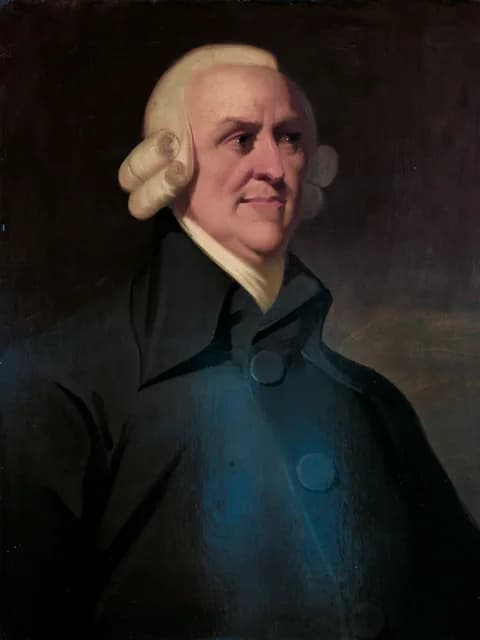
Adam Smith

Adam Smith

Scottish moral philosopher & economist · 1723–1790

A Scottish moral philosopher whose Wealth of Nations explained how specialisation and competition create wealth, and who criticised monopolies and trade restrictions.

Closest aligned axisMilitarist vs Pacifist

“Commercial ties encourage peaceful coexistence, though national defense remains paramount.”

Milton Friedman

Milton Friedman

American economist · 1912–2006

An American economist of the Chicago school who defended free markets, floating exchange rates and school vouchers, and argued that economic freedom supports political freedom.

Closest aligned axisIsolationism vs Globalism

“Unilateral free trade and floating exchange rates open nations to global prosperity.”

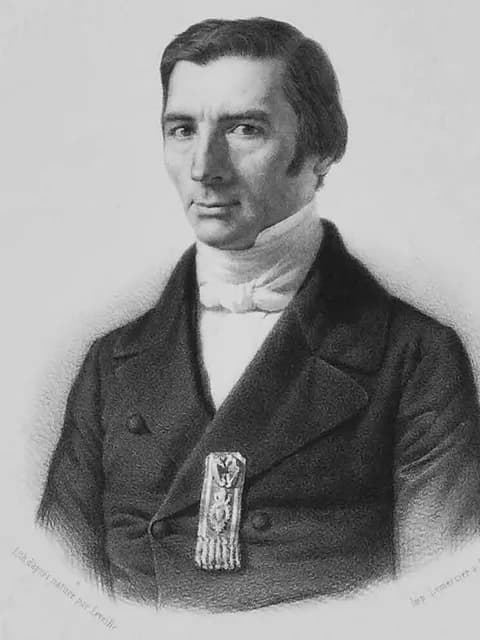
Frédéric Bastiat

Frédéric Bastiat

French economist & legislator · 1801–1850

A French economist and member of the National Assembly who wrote satirical essays against tariffs and subsidies, arguing that the law should protect persons and property and do little else.

Closest aligned axisPlanned vs Laissez-faire

“Warns against what is not seen: unseen costs of government subsidies and regulations.”

Where does Classical Liberalism sit on the 12 axes?

These are its strongest leanings, followed by all twelve axes. They describe the typical version of the tradition.

Strongest leanings

Governmental

Federal vs Unitary
Federal 55%45% Unitary
Democratic vs Autocratic
Democratic 92%8% Autocratic
Security vs Freedom
Security 12%88% Freedom

Diplomatic

Nationalism vs Internationalism
Nationalism 30%70% Internationalism
Militarist vs Pacifist
Militarist 40%60% Pacifist
Assimilationist vs Multiculturalist
Assimilationist 38%62% Multiculturalist

Economic

Collectivize vs Privatize
Collectivize 22%78% Privatize
Planned vs Laissez-faire
Planned 15%85% Laissez-faire
Isolationism vs Globalism
Isolationism 10%90% Globalism

Societal

Irreligious vs Religious
Irreligious 72%28% Religious
Progressive vs Traditional
Progressive 65%35% Traditional
Acceleration vs Bioconservative
Acceleration 55%45% Bioconservative

Editorial estimates for comparison and discussion. Real people and parties in this tradition vary.

Which countries are closest to Classical Liberalism?

Countries whose estimated profile is most like this ideology. No country follows a single ideology, so read this as a comparison, not a label.

What are the main criticisms of Classical Liberalism?

Every tradition has critics. These are the objections most often raised.

  • Critics argue that markets alone do not guard against poverty, monopoly or poor education.
  • Others say its focus on formal rights overlooks unequal starting points.

Classical Liberalism: frequently asked questions

Classical liberalism defends individual liberty, limited government, the rule of law, free markets and free trade.

It depends on the question, because left and right mix several things. On the 12 axes, Classical Liberalism sits closest to private ownership and free markets on economics and to faster social change on social values.

By estimated profile, the closest are Netherlands, Ireland, and Switzerland. No country follows one ideology purely, so treat this as a comparison, not a label.

Critics argue that markets alone do not guard against poverty, monopoly or poor education. Others say its focus on formal rights overlooks unequal starting points.

Take the 12 axes test. It scores you on twelve axes and shows how closely your profile matches Classical Liberalism and every other ideology on this site. The calculation happens in your browser.

Something else on your mind? Get in touch

Do you agree with Classical Liberalism?

The test scores you on all twelve axes and ranks every ideology by how well it matches you.