Skip to content
12 Axes Test

Neoliberalism

Neoliberalism favors market competition, privatization, deregulation, free trade and fiscal discipline as the main drivers of prosperity.

How close are you to Neoliberalism?

Take the test and your match with Neoliberalism shows up here. It is worked out in your browser and never sent anywhere.

Your alignment--%
Agree onTop 3 axes
Differ onKey gaps

What is Neoliberalism?

As a policy approach, neoliberalism became influential in the 1970s and 1980s, associated with governments such as those of Margaret Thatcher in the United Kingdom and Ronald Reagan in the United States, and with reform programs of international institutions. It stresses the price system, trade openness and limits on state spending and union power.

The word is mostly used by critics, and few politicians describe themselves as neoliberal, so what counts as “neoliberal” is often disputed.

What are the core ideas of Neoliberalism?

The ideas that most people in this tradition would sign up to.

  • Privatization of state-owned enterprises
  • Deregulation and competition
  • Free trade and open capital flows
  • Fiscal discipline and low inflation
  • Limits on union power and welfare spending

Where does Neoliberalism come from?

It grew from the thought of economists such as Friedrich Hayek and Milton Friedman, and spread after the economic crises of the 1970s.

Which historical thinkers are closest to Neoliberalism?

Thinkers whose documented positions on the 12 axes align most closely with this ideology.

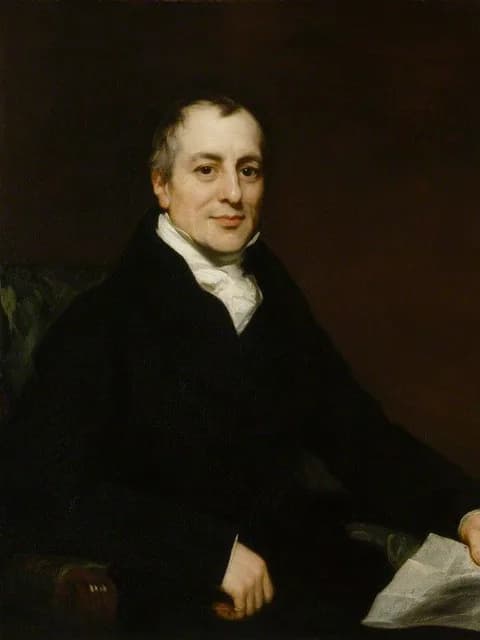
David Ricardo

David Ricardo

British political economist · 1772–1823

A British stockbroker and MP turned economist who set out the theory of comparative advantage and argued for free trade and against the Corn Laws.

“In 1821 he added a chapter on machinery saying he had become convinced that machines often injure labourers, and that workers’ fear of them is not mere prejudice.”

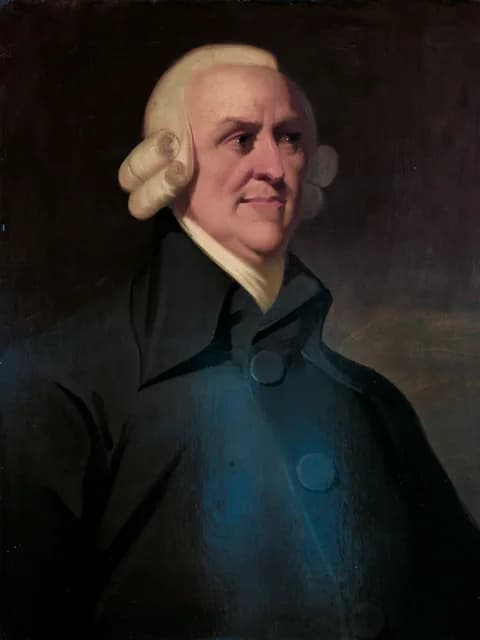
Adam Smith

Adam Smith

Scottish moral philosopher & economist · 1723–1790

A Scottish moral philosopher whose Wealth of Nations explained how specialisation and competition create wealth, and who criticised monopolies and trade restrictions.

Closest aligned axisIrreligious vs Religious

“Wealth of Nations argues that many competing sects keep religion moderate, and opposes an established church’s monopoly.”

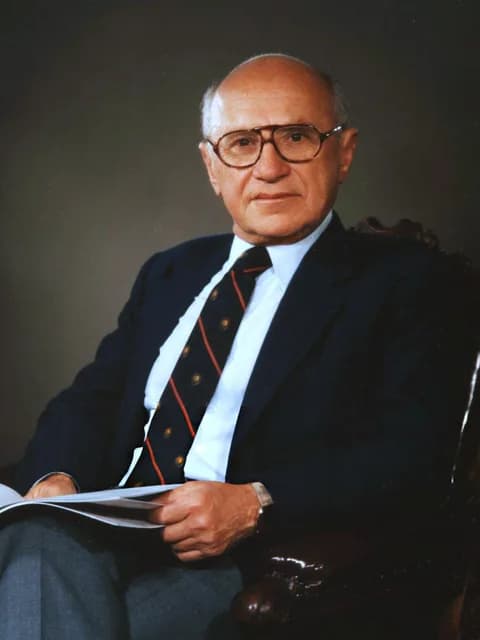
Milton Friedman

Milton Friedman

American economist · 1912–2006

An American economist of the Chicago school who defended free markets, floating exchange rates and school vouchers, and argued that economic freedom supports political freedom.

Closest aligned axisPlanned vs Laissez-faire

“Deregulation, market pricing, and school choice liberate human initiative.”

Where does Neoliberalism sit on the 12 axes?

These are its strongest leanings, followed by all twelve axes. They describe the typical version of the tradition.

Strongest leanings

Governmental

Federal vs Unitary
Federal 45%55% Unitary
Democratic vs Autocratic
Democratic 88%12% Autocratic
Security vs Freedom
Security 30%70% Freedom

Diplomatic

Nationalism vs Internationalism
Nationalism 35%65% Internationalism
Militarist vs Pacifist
Militarist 50%50% Pacifist
Assimilationist vs Multiculturalist
Assimilationist 38%62% Multiculturalist

Economic

Collectivize vs Privatize
Collectivize 15%85% Privatize
Planned vs Laissez-faire
Planned 12%88% Laissez-faire
Isolationism vs Globalism
Isolationism 5%95% Globalism

Societal

Irreligious vs Religious
Irreligious 72%28% Religious
Progressive vs Traditional
Progressive 62%38% Traditional
Acceleration vs Bioconservative
Acceleration 55%45% Bioconservative

Editorial estimates for comparison and discussion. Real people and parties in this tradition vary.

Which countries are closest to Neoliberalism?

Countries whose estimated profile is most like this ideology. No country follows a single ideology, so read this as a comparison, not a label.

What are the main criticisms of Neoliberalism?

Every tradition has critics. These are the objections most often raised.

  • Critics link it to rising inequality, financial crises and weakened public services.
  • Supporters credit it with faster growth, lower inflation and wider consumer choice.

Neoliberalism: frequently asked questions

Neoliberalism favors market competition, privatization, deregulation, free trade and fiscal discipline as the main drivers of prosperity.

It depends on the question, because left and right mix several things. On the 12 axes, Neoliberalism sits closest to private ownership and free markets on economics and to a balance of change and tradition on social values.

By estimated profile, the closest are Chile, Estonia, and United Kingdom. No country follows one ideology purely, so treat this as a comparison, not a label.

Critics link it to rising inequality, financial crises and weakened public services. Supporters credit it with faster growth, lower inflation and wider consumer choice.

Take the 12 axes test. It scores you on twelve axes and shows how closely your profile matches Neoliberalism and every other ideology on this site. The calculation happens in your browser.

Something else on your mind? Get in touch

Do you agree with Neoliberalism?

The test scores you on all twelve axes and ranks every ideology by how well it matches you.