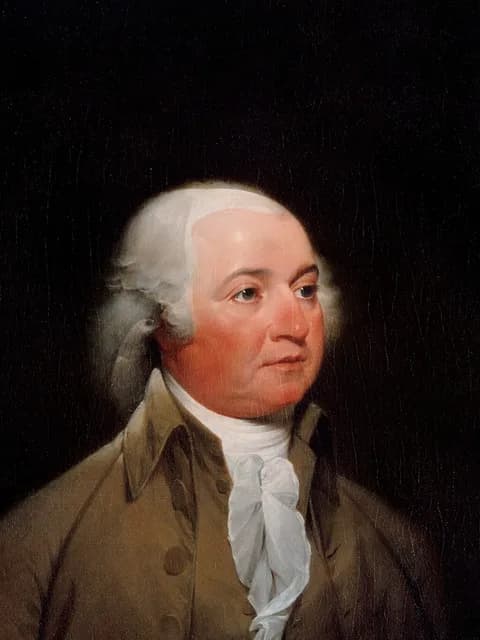
Second US president
John Adams’s political views
The second president, who built up the navy for the Quasi-War with France, signed the Alien and Sedition Acts and then sent envoys to end the war.
- Presidency
- 2nd, 1797–1801
- Party
- Federalist
- Lived
- 1735–1826
- Scored on
- 7 of 12 axes
Strongest documented leanings
- Security88%
- Assimilationist80%
- Unitary75%
Where Adams stood on the twelve axes
Each bar is one axis, between its two poles. Only axes with a documented position are scored; the others are shown as faint stubs on the icon and listed below, never as neutral.
Based on his record as president from 1797 to 1801. The Sedition Act sits against his peaceful handover of power, so the democratic axis sits near the middle.
- Federal vs UnitaryUnitary 75%FederalUnitary
Signed the Direct Tax of 1798 to pay for the military buildup, and the Judiciary Act of 1801, passed by the lame-duck Congress, which created new federal appeals courts.
- Democratic vs AutocraticAutocratic 50%DemocraticAutocratic
His administration used the Sedition Act against newspaper printers who backed Jefferson, yet he left the White House before dawn on 4 March 1801 and handed power to his rival in the first transfer between parties.
- Security vs FreedomSecurity 88%SecurityFreedom
Signed the Alien Friends Act on 25 June 1798 and the Sedition Act on 14 July 1798, which made it a crime to print “false, scandalous and malicious writing” against the government.
- Nationalism vs InternationalismNationalism 67%NationalismInternationalism
Kept the United States out of alliance with either side in Europe’s wars, and the Convention of 1800, signed on 30 September 1800, was meant to end the 1778 treaties of alliance and commerce with France.
- Militarist vs PacifistPacifist 52%MilitaristPacifist
Expanded the army and navy for the Quasi-War with France, then announced a peace mission in February 1799 over the objections of Hamilton and other Federalists; the Convention of 1800 ended the war.
- Assimilationist vs MulticulturalistAssimilationist 80%AssimilationistMulticulturalist
Signed the Naturalization Act of 18 June 1798, which raised the residency required for citizenship from five years to fourteen.
- Irreligious vs ReligiousReligious 70%IrreligiousReligious
Proclaimed on 23 March 1798 a national day of “solemn humiliation, fasting and prayer” for 9 May, as the crisis with France deepened.
No documented position, so not scored: Collectivize vs Privatize, Planned vs Laissez-faire, Isolationism vs Globalism, Progressive vs Traditional, and Acceleration vs Bioconservative.
What shaped the scores
Dated actions from the record. Each is tied to the axis it informs.
Adams signs the Naturalization Act, which raises the residency required for citizenship from five years to fourteen.
Assimilationist vs Multiculturalist
Alien and Sedition Acts · WikipediaHe signs the Alien Friends Act, which lets the president deport foreigners judged dangerous to the peace and safety of the United States.
Security vs Freedom
Alien and Sedition Acts · WikipediaHe signs the Sedition Act, which makes false, scandalous and malicious writing against the government a crime; it is used against newspaper printers who support Jefferson.
Security vs Freedom
Alien and Sedition Acts · WikipediaOver Hamilton’s objections he announces a peace mission to France, led by William Vans Murray.
Militarist vs Pacifist
Presidency of John Adams · WikipediaThe Convention of 1800 ends the Quasi-War with France and is meant to end the treaties of 1778.
Nationalism vs Internationalism
Convention of 1800 · WikipediaHaving lost the election, Adams leaves Washington before dawn; the transfer of power to Jefferson is the first between two parties.
Democratic vs Autocratic
Presidency of John Adams · WikipediaHe proclaims 9 May a national day of humiliation, fasting and prayer as relations with France worsen.
Irreligious vs Religious
Proclamation Proclaiming a Fast-Day, 23 March 1798 · Founders Online
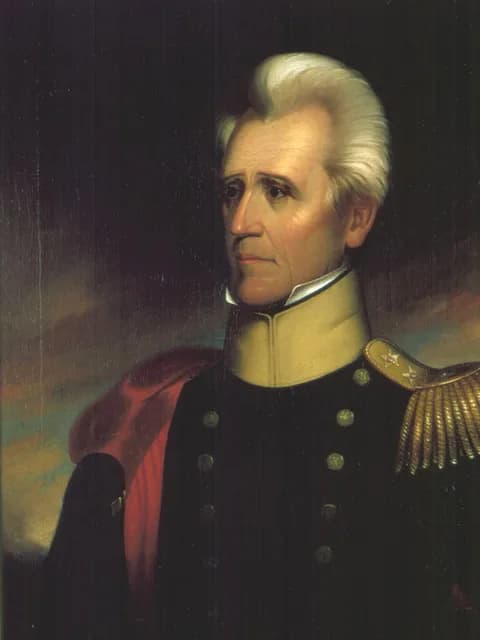
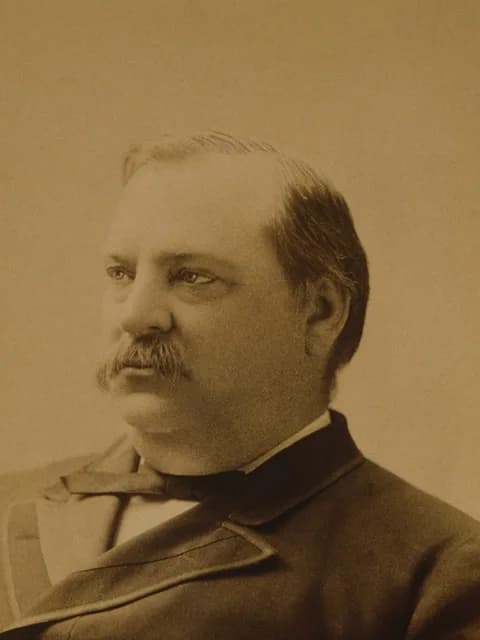
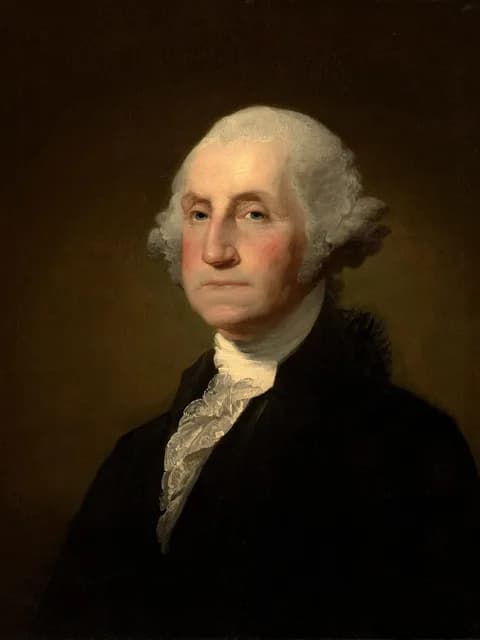
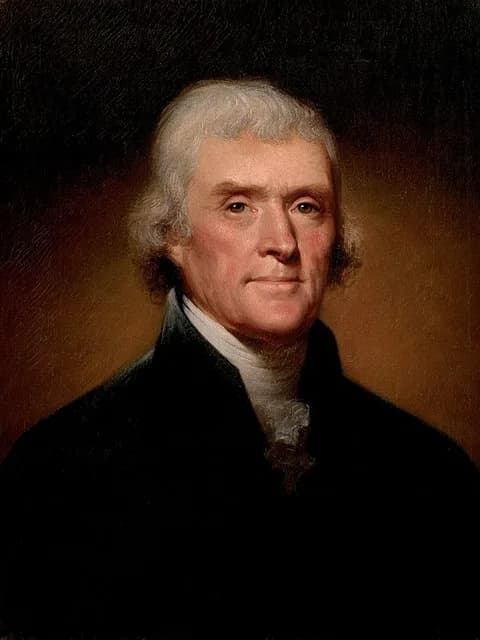
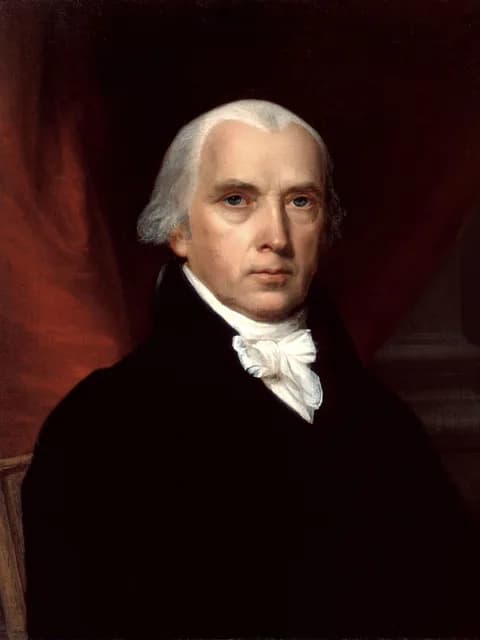
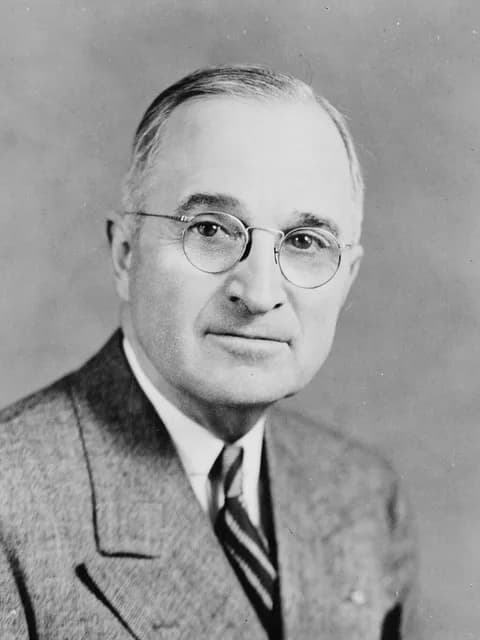
Adams compared with other presidents
Measured on the axes both presidents are scored on, with the same rules as the quiz.
Questions about John Adams’s politics
Something else on your mind? Get in touch
Sources and credits
Main source: Inaugural Address of John Adams · The Avalon Project
Also read
Portrait: John Trumbull, c. 1792 · Public domain
Scores are editorial estimates from the public record, not measurements. A place on this site is not praise.
Keep exploring
- All presidents in the quizTake the test and see which president you are closest to.
- George WashingtonThe president before Adams in our list.
- Thomas JeffersonThe president after Adams in our list.
- United StatesWhere the United States sits on the twelve axes.
- MethodologyHow the axes, the scoring and the matching work.
How close are you to Adams?
Take the test and see how your twelve scores compare, axis by axis.