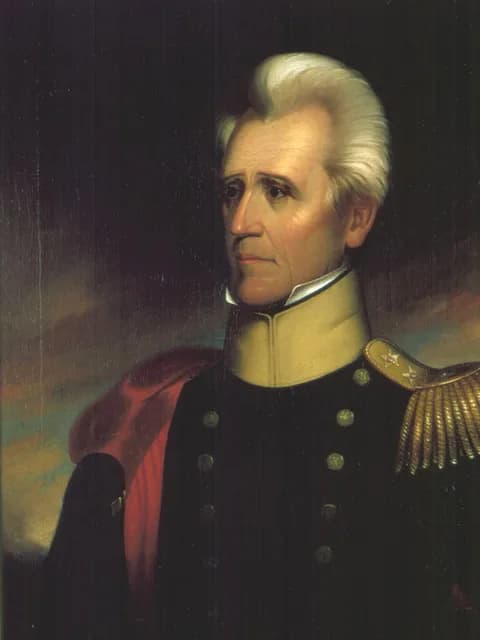
Seventh US president
Andrew Jackson’s political views
The seventh president, who vetoed the recharter of the Second Bank of the United States, threatened force against South Carolina’s nullification and signed the Indian Removal Act.
- Presidency
- 7th, 1829–1837
- Party
- Democratic
- Lived
- 1767–1845
- Scored on
- 7 of 12 axes
Strongest documented leanings
- Assimilationist92%
- Traditional80%
- Laissez-faire78%
Where Jackson stood on the twelve axes
Each bar is one axis, between its two poles. Only axes with a documented position are scored; the others are shown as faint stubs on the icon and listed below, never as neutral.
Based on his veto messages and his record from 1829 to 1837. His enslavement of people and the removal of Native nations are part of the record scored here; a place in this list is not praise.
- Federal vs UnitaryUnitary 68%FederalUnitary
His Proclamation to the People of South Carolina on 10 December 1832 called the power to annul a federal law “incompatible with the existence of the Union”, and the Force Bill followed in March 1833.
- Democratic vs AutocraticAutocratic 55%DemocraticAutocratic
Replaced his Treasury Secretary to stop federal revenue going into the Second Bank in 1833; the Senate censured him 26–20 in March 1834.
- Nationalism vs InternationalismNationalism 70%NationalismInternationalism
Made warlike gestures over the unpaid French debt, which was settled in 1836, and recognised the Republic of Texas at the end of his term.
- Assimilationist vs MulticulturalistAssimilationist 92%AssimilationistMulticulturalist
Signed the Indian Removal Act on 28 May 1830, which began the removal of the southeastern tribes west of the Mississippi.
- Collectivize vs PrivatizePrivatize 72%CollectivizePrivatize
Vetoed the recharter of the Second Bank of the United States on 10 July 1832 and paid off the whole national debt in January 1835.
- Planned vs Laissez-faireLaissez-faire 78%PlannedLaissez-faire
Vetoed the Maysville Road bill in 1830 as too local to deserve federal money, and in 1836 issued the Specie Circular, which required buyers of public land to pay in gold or silver.
- Progressive vs TraditionalTraditional 80%ProgressiveTraditional
Held enslaved people himself, and in 1835 his Postmaster General let Southern postmasters decide whether to discard abolitionist mailings.
No documented position, so not scored: Security vs Freedom, Militarist vs Pacifist, Isolationism vs Globalism, Irreligious vs Religious, and Acceleration vs Bioconservative.
What shaped the scores
Dated actions from the record. Each is tied to the axis it informs.
The House passes the Maysville Road bill and Jackson vetoes it, judging the project too local for federal money.
Planned vs Laissez-faire
Presidency of Andrew Jackson · WikipediaJackson signs the Indian Removal Act, which Congress had passed by narrow margins.
Assimilationist vs Multiculturalist
Indian Removal Act · WikipediaHe vetoes the bill to recharter the Second Bank of the United States.
Collectivize vs Privatize
Presidency of Andrew Jackson · WikipediaHe issues the Proclamation to the People of South Carolina against nullification of the tariff laws.
Federal vs Unitary
Nullification crisis · WikipediaThe Senate censures Jackson 26–20 over his handling of the Bank.
Democratic vs Autocratic
Presidency of Andrew Jackson · WikipediaThe whole national debt is paid off.
Collectivize vs Privatize
Presidency of Andrew Jackson · Wikipedia
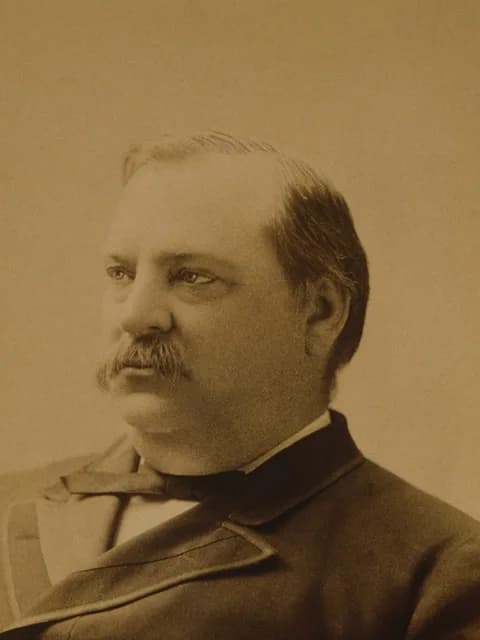
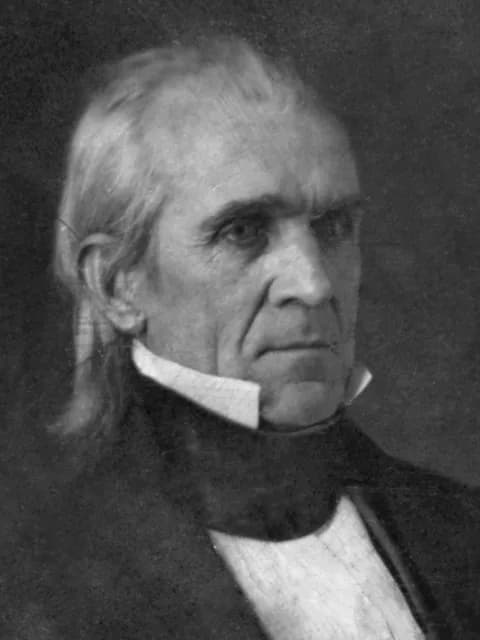
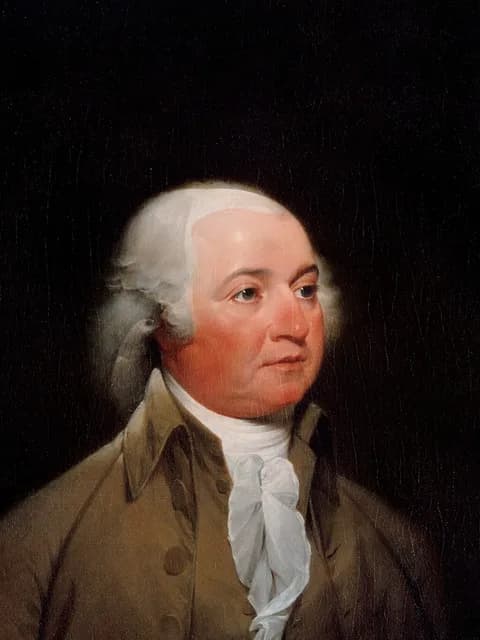
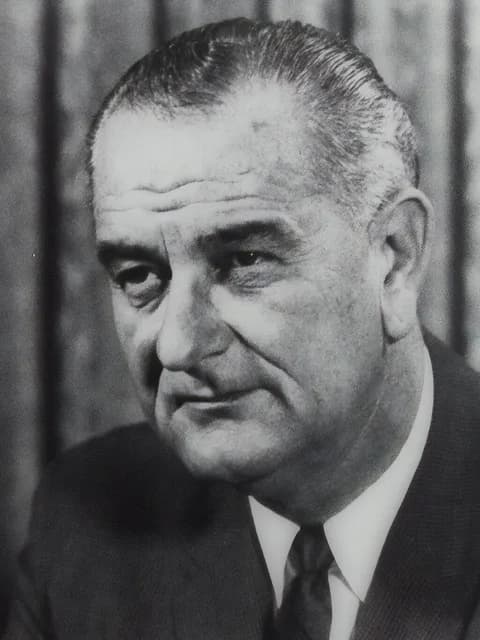
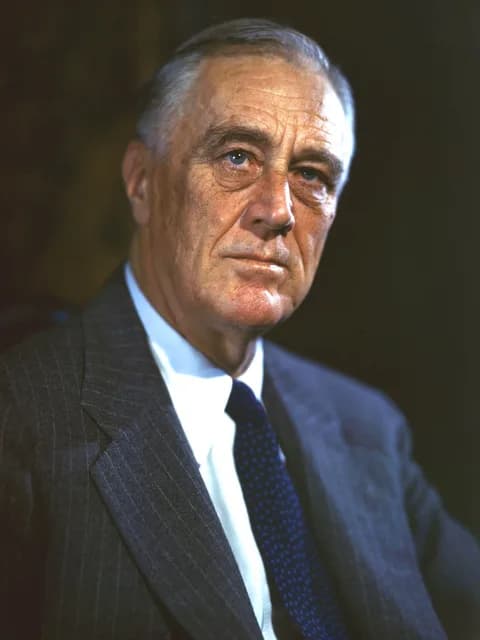
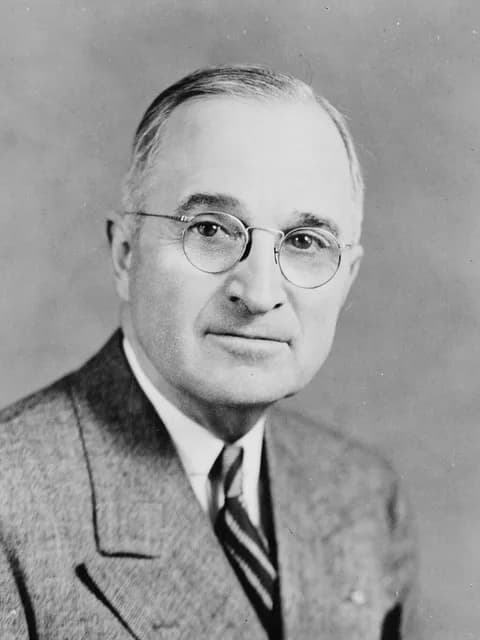
Jackson compared with other presidents
Measured on the axes both presidents are scored on, with the same rules as the quiz.
Questions about Andrew Jackson’s politics
Something else on your mind? Get in touch
Sources and credits
Main source: Veto Message Regarding the Bank of the United States · The Avalon Project
Also read
Portrait: Ralph E. W. Earl, 1837 · Public domain
Scores are editorial estimates from the public record, not measurements. A place on this site is not praise.
Keep exploring
- All presidents in the quizTake the test and see which president you are closest to.
- James MadisonThe president before Jackson in our list.
- James K. PolkThe president after Jackson in our list.
- United StatesWhere the United States sits on the twelve axes.
- MethodologyHow the axes, the scoring and the matching work.
How close are you to Jackson?
Take the test and see how your twelve scores compare, axis by axis.