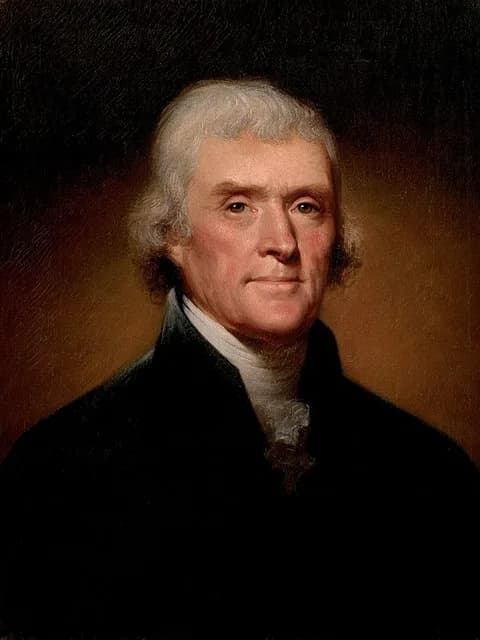
Third US president
Thomas Jefferson’s political views
The author of the Declaration of Independence and third US president, who championed religious freedom and limited government while holding enslaved people.
- Presidency
- 3rd, 1801–1809
- Party
- Democratic-Republican
- Lived
- 1743–1826
- Scored on
- 7 of 12 axes
Strongest documented leanings
- Progressive85%
- Federal80%
- Democratic80%
Where Jefferson stood on the twelve axes
Each bar is one axis, between its two poles. Only axes with a documented position are scored; the others are shown as faint stubs on the icon and listed below, never as neutral.
Based on the Declaration of Independence and Notes on the State of Virginia. An eloquent voice for individual liberty and decentralized republic.
- Federal vs UnitaryFederal 80%FederalUnitary
Strict limits on federal power in defense of states’ rights and local self-rule.
- Democratic vs AutocraticDemocratic 80%DemocraticAutocratic
Favoured broad participation, and proposed small ward republics so every citizen could take part in government.
- Security vs FreedomFreedom 80%SecurityFreedom
Declaration of Independence: unalienable rights to life, liberty, and the pursuit of happiness.
- Planned vs Laissez-faireLaissez-faire 70%PlannedLaissez-faire
Agrarian republicanism preferring free markets and minimal federal interference.
- Isolationism vs GlobalismGlobalism 55%IsolationismGlobalism
Peace, commerce, and honest friendship with all nations, entangling alliances with none.
- Irreligious vs ReligiousIrreligious 70%IrreligiousReligious
Wall of separation between church and state in the Virginia Statute for Religious Freedom.
- Progressive vs TraditionalProgressive 85%ProgressiveTraditional
Argued that the earth belongs to the living, so each generation should be free to remake its laws.
No documented position, so not scored: Nationalism vs Internationalism, Militarist vs Pacifist, Assimilationist vs Multiculturalist, Collectivize vs Privatize, and Acceleration vs Bioconservative.
What shaped the scores
Dated actions from the record. Each is tied to the axis it informs.
Congress adopts the Declaration of Independence, which Jefferson drafted.
Security vs Freedom
Declaration of Independence · National ArchivesVirginia’s assembly passes the Statute for Religious Freedom that Jefferson wrote, which disestablishes the Church of England in Virginia.
Irreligious vs Religious
Virginia Statute for Religious Freedom · WikipediaIn a letter to Madison he argues that the earth belongs to the living and that each generation should be free to remake its laws.
Progressive vs Traditional
To James Madison from Thomas Jefferson, 6 September 1789 · National ArchivesKentucky passes the resolutions Jefferson drafted against the Alien and Sedition Acts; his draft claimed a right of nullification for the states.
Federal vs Unitary
Kentucky and Virginia Resolutions · WikipediaIn his first inaugural address he commits the country to “peace, commerce, and honest friendship with all nations, entangling alliances with none”.
Isolationism vs Globalism
Presidency of Thomas Jefferson · WikipediaHis administration cuts taxes and spending, and the national debt falls from $83 million to $57 million.
Planned vs Laissez-faire
Presidency of Thomas Jefferson · Wikipedia
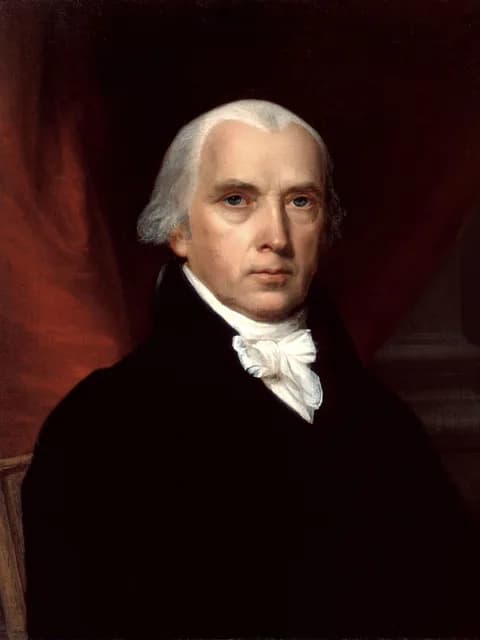
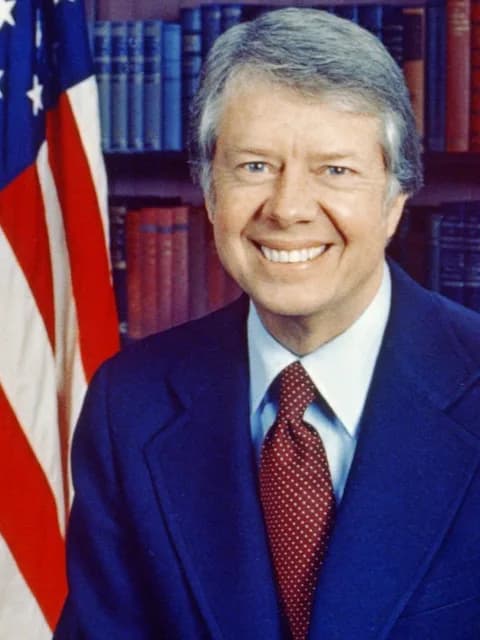
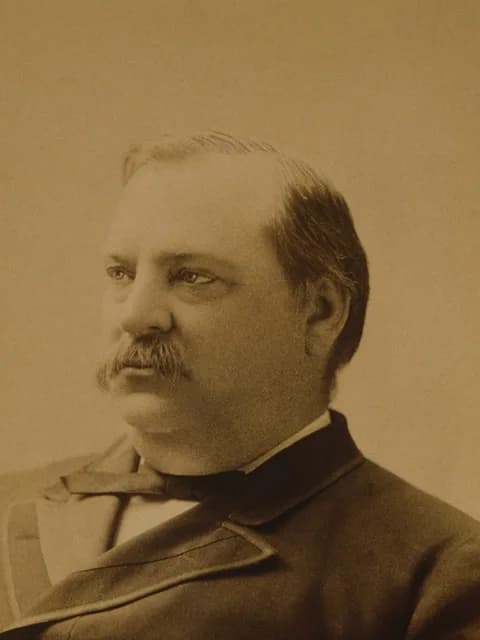
Jefferson compared with other presidents
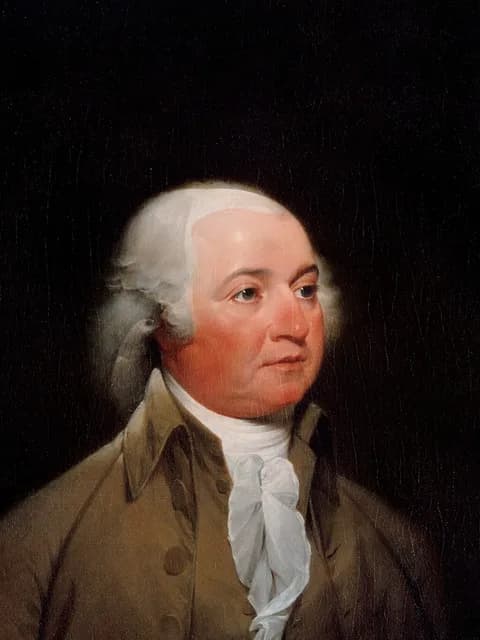
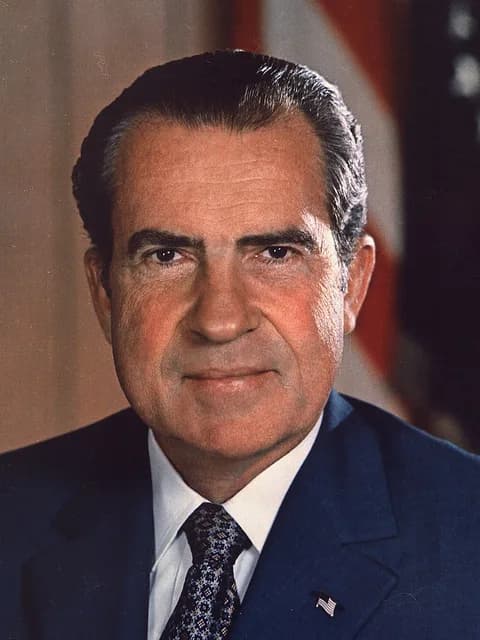
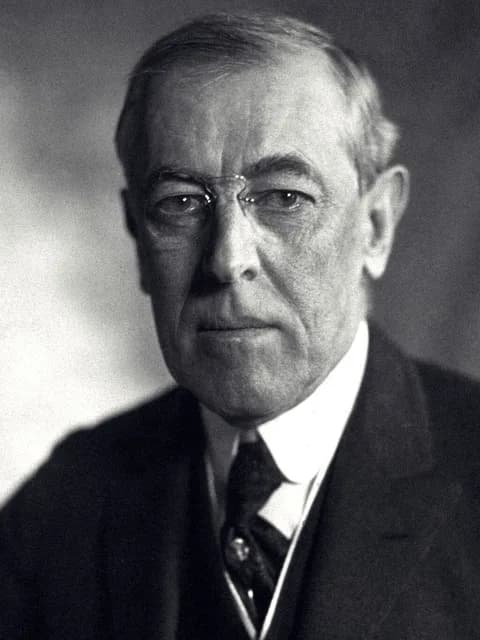
Measured on the axes both presidents are scored on, with the same rules as the quiz.
Questions about Thomas Jefferson’s politics
Something else on your mind? Get in touch
Sources and credits
Main source: Thomas Jefferson · Stanford Encyclopedia of Philosophy
Also read
Portrait: Rembrandt Peale, 1800 · Public domain
Scores are editorial estimates from the public record, not measurements. A place on this site is not praise.
Keep exploring
- All presidents in the quizTake the test and see which president you are closest to.
- John AdamsThe president before Jefferson in our list.
- James MadisonThe president after Jefferson in our list.
- United StatesWhere the United States sits on the twelve axes.
- MethodologyHow the axes, the scoring and the matching work.
How close are you to Jefferson?
Take the test and see how your twelve scores compare, axis by axis.