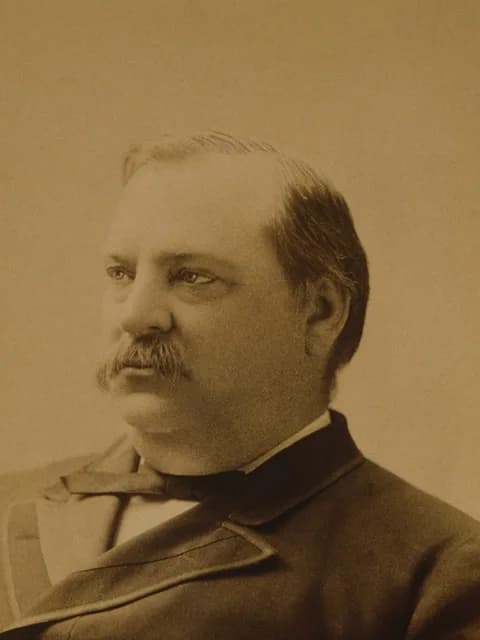
Twenty-second and twenty-fourth US president
Grover Cleveland’s political views
The only president to serve two non-consecutive terms, known for his record number of vetoes, his defence of the gold standard and his call to cut the tariff.
- Presidency
- 22nd and 24th, 1885–1889 and 1893–1897
- Party
- Democratic
- Lived
- 1837–1908
- Scored on
- 8 of 12 axes
Strongest documented leanings
- Privatize80%
- Assimilationist75%
- Laissez-faire72%
Where Cleveland stood on the twelve axes
Each bar is one axis, between its two poles. Only axes with a documented position are scored; the others are shown as faint stubs on the icon and listed below, never as neutral.
Based on his vetoes, his 1887 tariff message and his response to the Pullman strike. The one social-issue score rests on a single essay written after he left office.
- Federal vs UnitaryUnitary 55%FederalUnitary
Sent federal troops into Chicago in June 1894 over Governor Altgeld’s protest, but read federal powers narrowly when he vetoed relief spending.
- Nationalism vs InternationalismNationalism 65%NationalismInternationalism
Endorsed “entangling alliance with none” in 1885, and in 1895 told Congress to resist British claims in the Venezuela boundary dispute, while accepting arbitration.
- Militarist vs PacifistPacifist 50%MilitaristPacifist
Withdrew the Hawaii annexation treaty in 1893 and declared neutrality in Cuba in 1895, yet his Navy Secretary won five new battleships in 1895–96.
- Assimilationist vs MulticulturalistAssimilationist 75%AssimilationistMulticulturalist
Signed the Dawes Act, which broke up tribal land into individual allotments, and the Scott Act of 1888, which barred Chinese immigrants who had left the country from returning.
- Collectivize vs PrivatizePrivatize 80%CollectivizePrivatize
Vetoed hundreds of private pension bills and, in February 1887, the Texas Seed Bill, finding “no warrant” in the Constitution for relief spending.
- Planned vs Laissez-faireLaissez-faire 72%PlannedLaissez-faire
Signed the Interstate Commerce Act in 1887, but called Congress into special session in 1893 to repeal the Sherman Silver Purchase Act and defend the gold standard.
- Isolationism vs GlobalismGlobalism 70%IsolationismGlobalism
Devoted his entire 1887 annual message to cutting the tariff, though he let the modest Wilson–Gorman tariff of 1894 become law unsigned.
- Progressive vs TraditionalTraditional 70%ProgressiveTraditional
Argued against women’s suffrage in a 1905 Ladies’ Home Journal article.
No documented position, so not scored: Democratic vs Autocratic, Security vs Freedom, Irreligious vs Religious, and Acceleration vs Bioconservative.
What shaped the scores
Dated actions from the record. Each is tied to the axis it informs.
Cleveland vetoes the Texas Seed Bill, finding no warrant in the Constitution for relief spending.
Collectivize vs Privatize
First presidency of Grover Cleveland · WikipediaHis annual message, given over entirely to the tariff, calls for lower duties.
Isolationism vs Globalism
First presidency of Grover Cleveland · WikipediaHe withdraws the Hawaii annexation treaty from the Senate five days after taking office for his second term.
Militarist vs Pacifist
Second presidency of Grover Cleveland · WikipediaHe calls Congress into special session to repeal the Sherman Silver Purchase Act and defend the gold standard.
Planned vs Laissez-faire
Second presidency of Grover Cleveland · WikipediaHe sends federal troops into Chicago and 20 other rail centres during the Pullman strike, over Governor Altgeld’s protest.
Federal vs Unitary
Second presidency of Grover Cleveland · WikipediaHe tells Congress that the United States must resist any British attempt to take territory in the Venezuela boundary dispute, and asks for a commission to study it.
Nationalism vs Internationalism
Venezuelan crisis of 1895 · Wikipedia
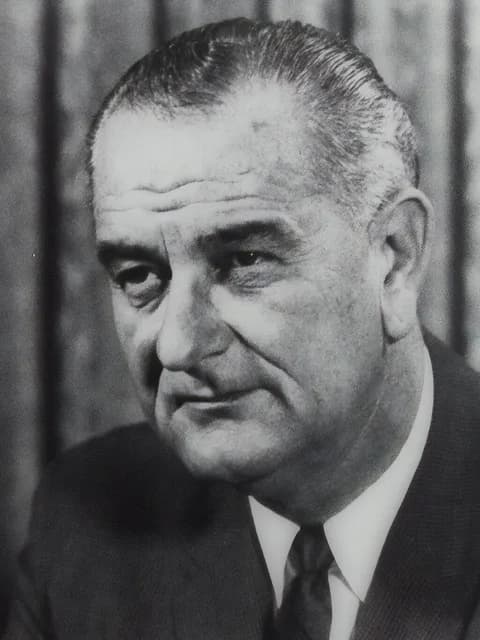
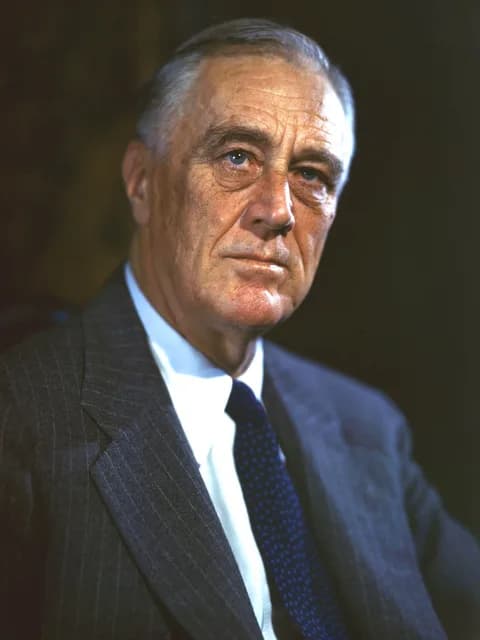
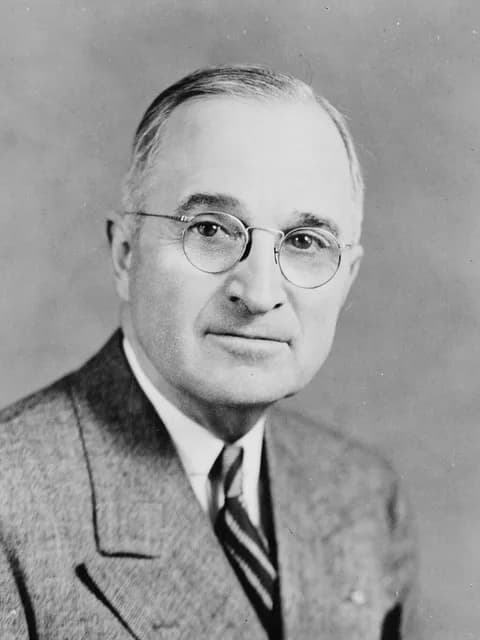
Cleveland compared with other presidents
Measured on the axes both presidents are scored on, with the same rules as the quiz.
Questions about Grover Cleveland’s politics
Something else on your mind? Get in touch
Sources and credits
Main source: First Inaugural Address of Grover Cleveland · The Avalon Project
Also read
Portrait: Charles Milton Bell, c. 1888 · Public domain
Scores are editorial estimates from the public record, not measurements. A place on this site is not praise.
Keep exploring
- All presidents in the quizTake the test and see which president you are closest to.
- Ulysses S. GrantThe president before Cleveland in our list.
- William McKinleyThe president after Cleveland in our list.
- United StatesWhere the United States sits on the twelve axes.
- MethodologyHow the axes, the scoring and the matching work.
How close are you to Cleveland?
Take the test and see how your twelve scores compare, axis by axis.