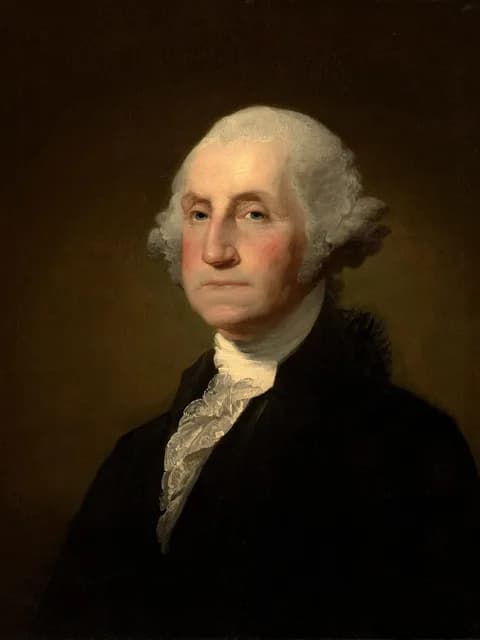
First US president
George Washington’s political views
The commander of the Continental Army and first US president, who set precedents for the office and stepped down after two terms.
- Presidency
- 1st, 1789–1797
- Party
- None (Independent)
- Lived
- 1732–1799
- Scored on
- 7 of 12 axes
Strongest documented leanings
- Nationalism75%
- Democratic70%
- Unitary65%
Where Washington stood on the twelve axes
Each bar is one axis, between its two poles. Only axes with a documented position are scored; the others are shown as faint stubs on the icon and listed below, never as neutral.
Based on his Farewell Address and presidential tenure. He established republican norms of constitutional governance and voluntary transfer of power.
- Federal vs UnitaryUnitary 65%FederalUnitary
Presided over the Constitutional Convention and, in his 1783 Circular to the States, named an indissoluble union as the first essential of well-being.
- Democratic vs AutocraticDemocratic 70%DemocraticAutocratic
Voluntary surrender of executive power after two terms, enshrining republican norms.
- Security vs FreedomSecurity 60%SecurityFreedom
Supported constitutional enforcement of public order during the Whiskey Rebellion.
- Nationalism vs InternationalismNationalism 75%NationalismInternationalism
Farewell Address urges as little political connection with other nations as possible and warns against permanent alliances.
- Assimilationist vs MulticulturalistAssimilationist 65%AssimilationistMulticulturalist
Shared national character and patriotic union across differing regional origins.
- Collectivize vs PrivatizePrivatize 65%CollectivizePrivatize
Respect for private property, agricultural enterprise, and fiscal credit.
- Irreligious vs ReligiousReligious 65%IrreligiousReligious
The Farewell Address calls religion and morality indispensable supports of political prosperity.
No documented position, so not scored: Militarist vs Pacifist, Planned vs Laissez-faire, Isolationism vs Globalism, Progressive vs Traditional, and Acceleration vs Bioconservative.
What shaped the scores
Dated actions from the record. Each is tied to the axis it informs.
In his Circular to the States, written as the war ended, he names an indissoluble union as the first essential to the nation’s well-being.
Federal vs Unitary
George Washington · WikipediaHe presides over the Constitutional Convention in Philadelphia.
Federal vs Unitary
George Washington · WikipediaHe signs the bill chartering the First Bank of the United States, after weighing Hamilton’s arguments for it.
Collectivize vs Privatize
Presidency of George Washington · WikipediaHe commands a militia force of 12,950 men to put down the Whiskey Rebellion in western Pennsylvania.
Security vs Freedom
Presidency of George Washington · WikipediaHis Farewell Address, printed in a newspaper, advises against permanent alliances with foreign nations and calls religion and morality indispensable supports of political prosperity.
Nationalism vs Internationalism
Washington's Farewell Address · WikipediaHe leaves office after two terms, having announced that he would not seek a third.
Democratic vs Autocratic
Presidency of George Washington · Wikipedia
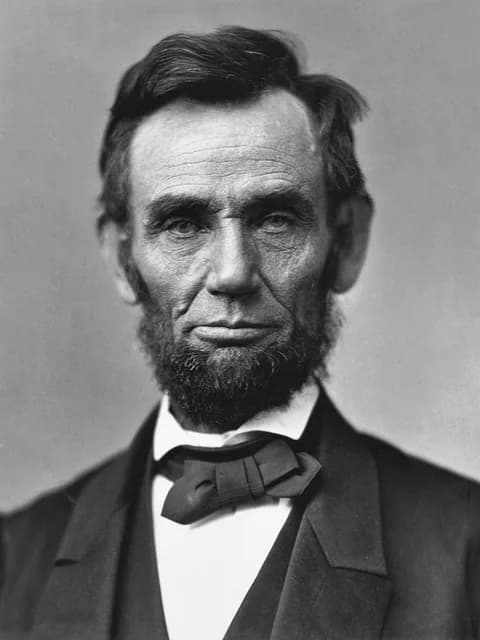
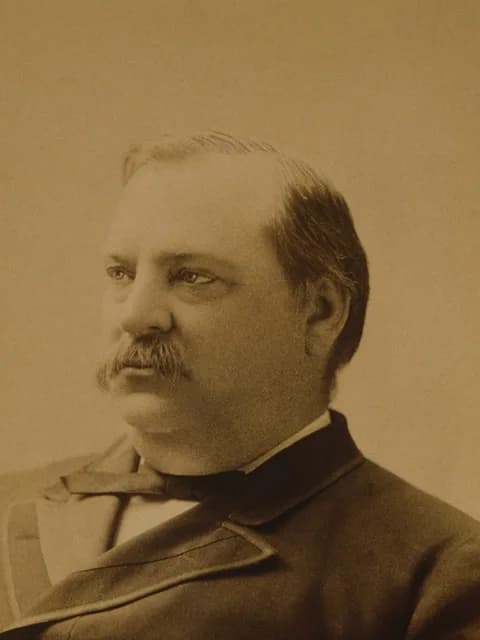
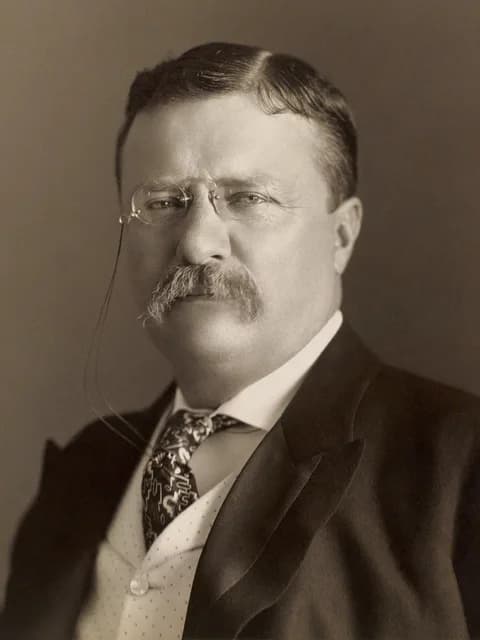
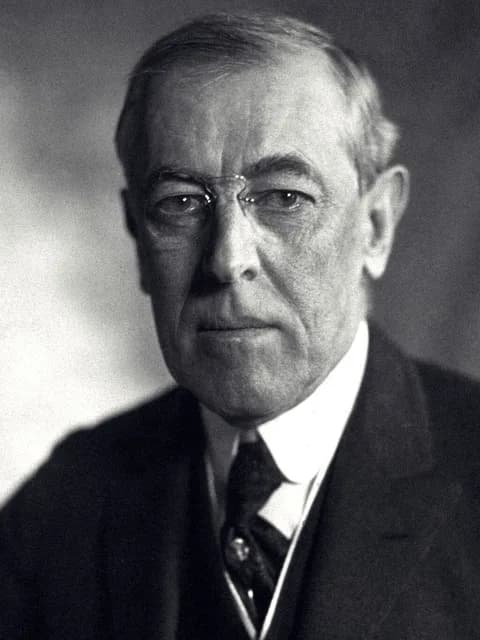
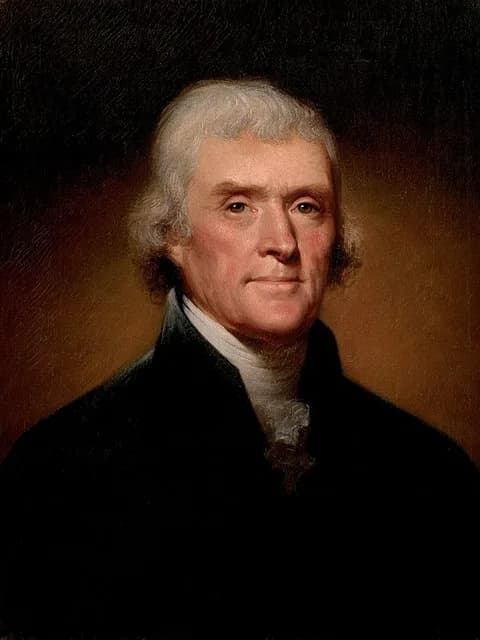
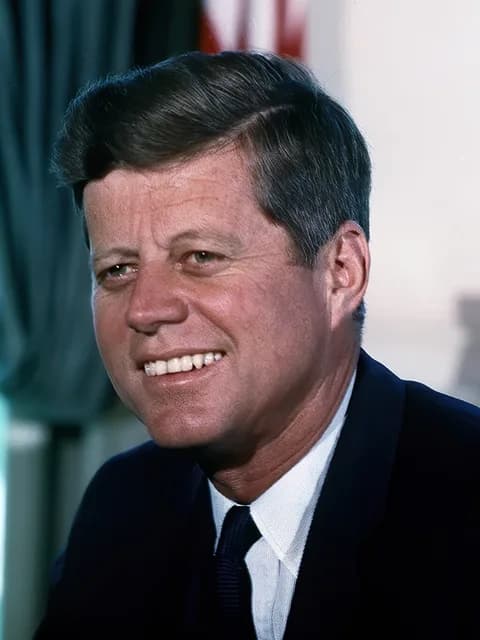
Washington compared with other presidents
Measured on the axes both presidents are scored on, with the same rules as the quiz.
Questions about George Washington’s politics
Something else on your mind? Get in touch
Sources and credits
Main source: Washington’s Farewell Address 1796 · The Avalon Project
Portrait: Gilbert Stuart, 1803 · Public domain
Scores are editorial estimates from the public record, not measurements. A place on this site is not praise.
How close are you to Washington?
Take the test and see how your twelve scores compare, axis by axis.