
Fortieth US president
Ronald Reagan’s political views
US president from 1981 to 1989, who cut taxes and regulation, rebuilt the military and combined hard-line rhetoric toward the Soviet Union with arms-control talks.
- Presidency
- 40th, 1981–1989
- Party
- Republican
- Lived
- 1911–2004
- Scored on
- 8 of 12 axes
Strongest documented leanings
- Privatize82%
- Laissez-faire82%
- Federal75%
Where Reagan stood on the twelve axes
Each bar is one axis, between its two poles. Only axes with a documented position are scored; the others are shown as faint stubs on the icon and listed below, never as neutral.
Based on his first inaugural address and his record as president.
- Federal vs UnitaryFederal 75%FederalUnitary
Proposed a “New Federalism” to hand programmes back to the states, and said the states created the federal government.
- Nationalism vs InternationalismNationalism 60%NationalismInternationalism
Announced the Strategic Defense Initiative in March 1983 as a shield the United States would build itself, and signed the INF Treaty with Gorbachev on 8 December 1987.
- Militarist vs PacifistMilitarist 72%MilitaristPacifist
Raised defence spending sharply and ordered the 1983 invasion of Grenada, while holding to “peace through strength”.
- Assimilationist vs MulticulturalistAssimilationist 52%AssimilationistMulticulturalist
Signed the Immigration Reform and Control Act on 6 November 1986, which gave legal status to people who had lived in the country since 1982 and made hiring undocumented workers illegal.
- Collectivize vs PrivatizePrivatize 82%CollectivizePrivatize
Cut top income tax rates in 1981 and 1986, and said in his first inaugural that government is not the solution but the problem.
- Planned vs Laissez-faireLaissez-faire 82%PlannedLaissez-faire
Ended federal price controls on oil in 1981 and loosened the rules on savings banks in 1982.
- Irreligious vs ReligiousReligious 68%IrreligiousReligious
Called the Soviet Union an “evil empire” in a speech to evangelicals, and backed a school-prayer amendment.
- Progressive vs TraditionalTraditional 70%ProgressiveTraditional
Wrote an essay against abortion in 1983 and appealed to traditional family values.
No documented position, so not scored: Democratic vs Autocratic, Security vs Freedom, Isolationism vs Globalism, and Acceleration vs Bioconservative.
What shaped the scores
Dated actions from the record. Each is tied to the axis it informs.
In his first inaugural address he says that government is not the solution to our problem; government is the problem.
Collectivize vs Privatize
Presidency of Ronald Reagan · WikipediaHe signs the Economic Recovery Tax Act, which cuts the top marginal rate from 70% to 50% and indexes the brackets to inflation.
Collectivize vs Privatize
Economic Recovery Tax Act of 1981 · WikipediaHe fires more than 10,000 striking air traffic controllers after a 48-hour deadline to return to work.
Presidency of Ronald Reagan · WikipediaHe signs the Garn–St Germain Act, which loosens the rules on savings banks.
Planned vs Laissez-faire
Presidency of Ronald Reagan · WikipediaHe calls the Soviet Union an evil empire in a speech to evangelicals.
Irreligious vs Religious
Presidency of Ronald Reagan · WikipediaHe orders the invasion of Grenada.
Militarist vs Pacifist
Presidency of Ronald Reagan · Wikipedia
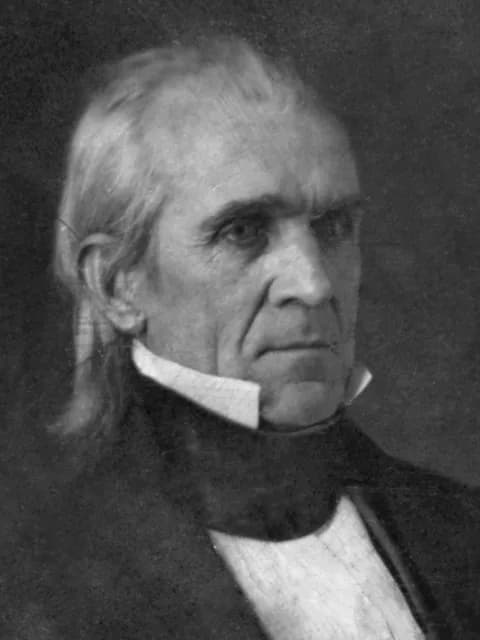
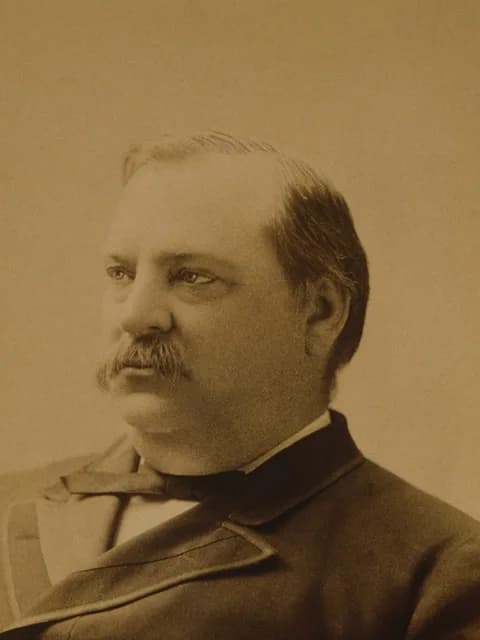
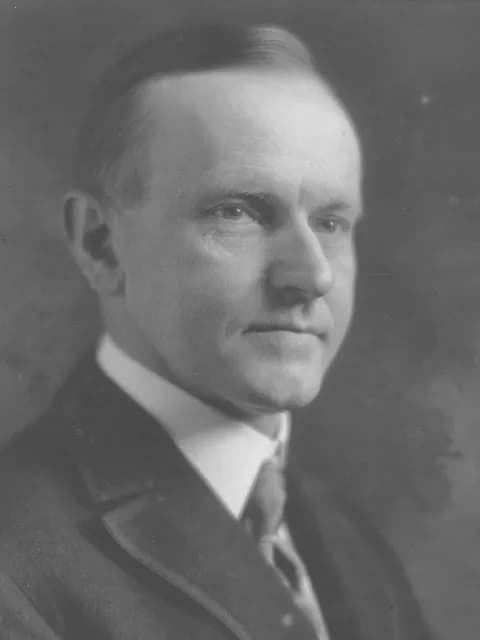
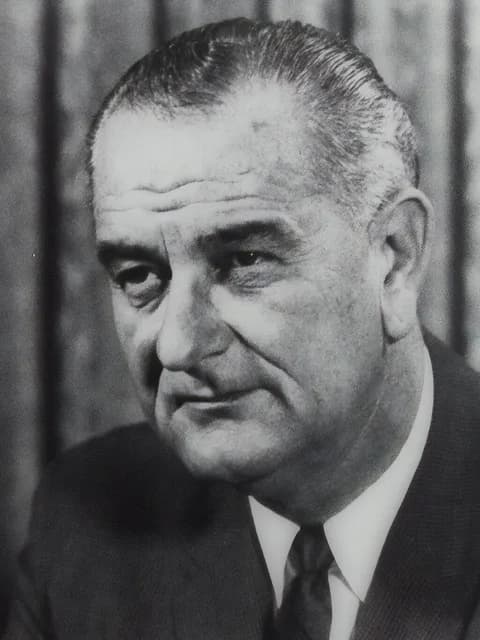
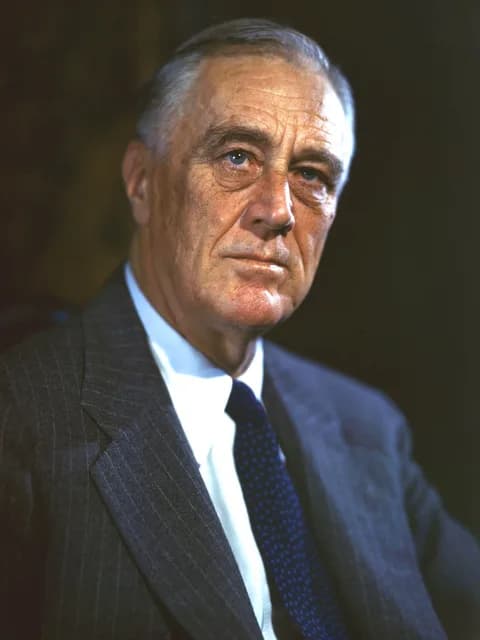
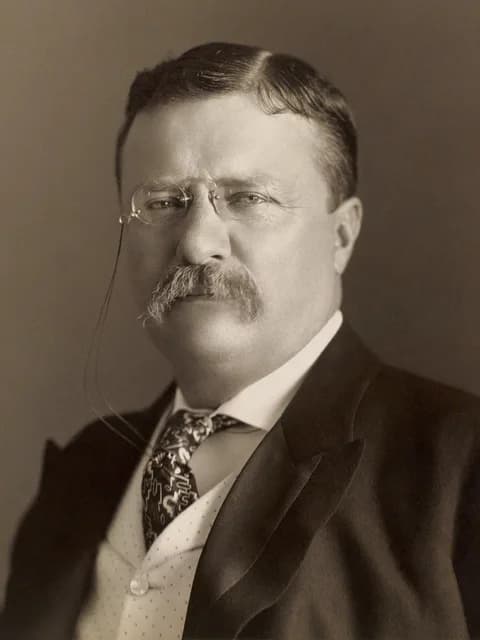
Reagan compared with other presidents
Measured on the axes both presidents are scored on, with the same rules as the quiz.
Questions about Ronald Reagan’s politics
Something else on your mind? Get in touch
Sources and credits
Main source: First Inaugural Address of Ronald Reagan · The Avalon Project
Portrait: Michael Evans (White House), 1981 · Public domain
Scores are editorial estimates from the public record, not measurements. A place on this site is not praise.
Keep exploring
- All presidents in the quizTake the test and see which president you are closest to.
- Jimmy CarterThe president before Reagan in our list.
- George H. W. BushThe president after Reagan in our list.
- United StatesWhere the United States sits on the twelve axes.
- MethodologyHow the axes, the scoring and the matching work.
How close are you to Reagan?
Take the test and see how your twelve scores compare, axis by axis.