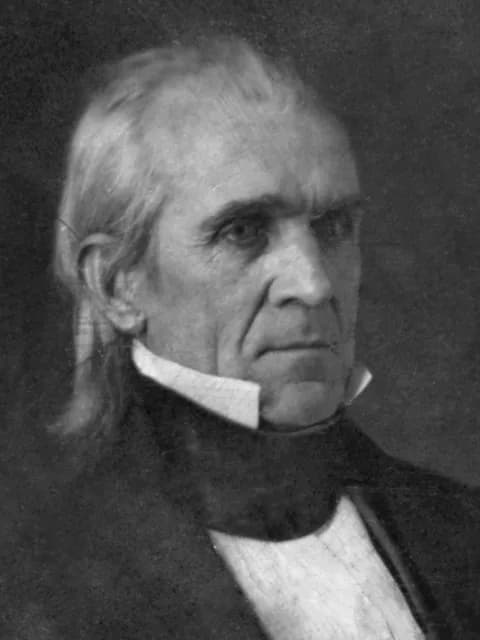
Eleventh US president
James K. Polk’s political views
The eleventh president, who led the United States into the Mexican–American War, completed the annexation of Texas, lowered tariffs and restored an independent treasury.
- Presidency
- 11th, 1845–1849
- Party
- Democratic
- Lived
- 1795–1849
- Scored on
- 7 of 12 axes
Strongest documented leanings
- Militarist88%
- Nationalism85%
- Traditional80%
Where Polk stood on the twelve axes
Each bar is one axis, between its two poles. Only axes with a documented position are scored; the others are shown as faint stubs on the icon and listed below, never as neutral.
Based on his record from 1845 to 1849. He was an expansionist whose war took about 55% of Mexico’s territory; the slavery question that followed is scored under the social axis.
- Democratic vs AutocraticAutocratic 62%DemocraticAutocratic
In 1846 ordered General Taylor to the Rio Grande and then sent Congress a message that left out that his envoy Slidell had been authorised to offer to buy California.
- Nationalism vs InternationalismNationalism 85%NationalismInternationalism
Completed the annexation of Texas in December 1845 and took about 55% of Mexico’s territory, including California, in the Treaty of Guadalupe Hidalgo of 2 February 1848.
- Militarist vs PacifistMilitarist 88%MilitaristPacifist
Told Congress that Mexico had invaded American territory and that a state of war already existed; the Senate voted 40–2 for the resolution that began the Mexican–American War.
- Collectivize vs PrivatizePrivatize 70%CollectivizePrivatize
Vetoed the $500,000 Rivers and Harbors Bill of 1846, which he judged unconstitutional because it favoured particular areas.
- Planned vs Laissez-faireLaissez-faire 74%PlannedLaissez-faire
Signed the Independent Treasury Act on 6 August 1846, which separated government funds from the banking system.
- Isolationism vs GlobalismGlobalism 72%IsolationismGlobalism
Signed the Walker Tariff in July 1846, which replaced the protective schedules with defined ad valorem rates and cut the rates from about 32% to 25%.
- Progressive vs TraditionalTraditional 80%ProgressiveTraditional
In late 1848 threatened to veto a territorial bill that he saw as the Wilmot Proviso in another guise, which would have barred slavery from the new lands.
No documented position, so not scored: Federal vs Unitary, Security vs Freedom, Assimilationist vs Multiculturalist, Irreligious vs Religious, and Acceleration vs Bioconservative.
What shaped the scores
Dated actions from the record. Each is tied to the axis it informs.
Polk signs the annexation of Texas; it is admitted as the 28th state on 29 December.
Nationalism vs Internationalism
Presidency of James K. Polk · WikipediaBritain presents an offer to divide Oregon at the 49th parallel; the Senate later ratifies the treaty 41–14.
Nationalism vs Internationalism
Presidency of James K. Polk · WikipediaPolk signs the Walker Tariff after the Senate passes it with the vice president breaking a tie.
Isolationism vs Globalism
Walker tariff · WikipediaHe signs the Independent Treasury Act.
Planned vs Laissez-faire
Presidency of James K. Polk · WikipediaHe vetoes the Rivers and Harbors Bill, which would have spent $500,000.
Collectivize vs Privatize
Presidency of James K. Polk · WikipediaThe Treaty of Guadalupe Hidalgo ends the Mexican–American War and cedes the Southwest and California.
Militarist vs Pacifist
Treaty of Guadalupe Hidalgo · Wikipedia
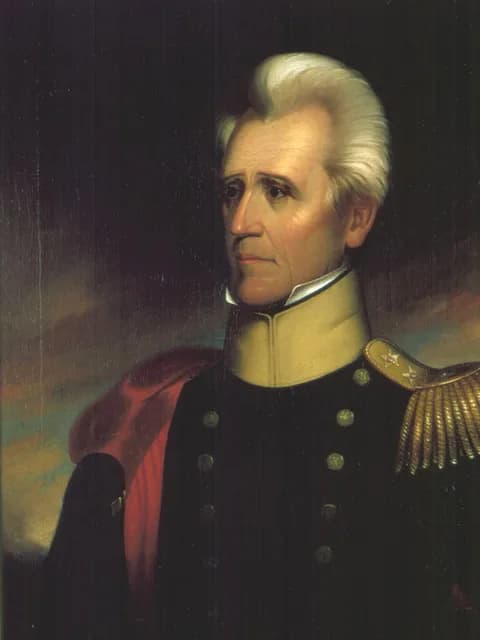
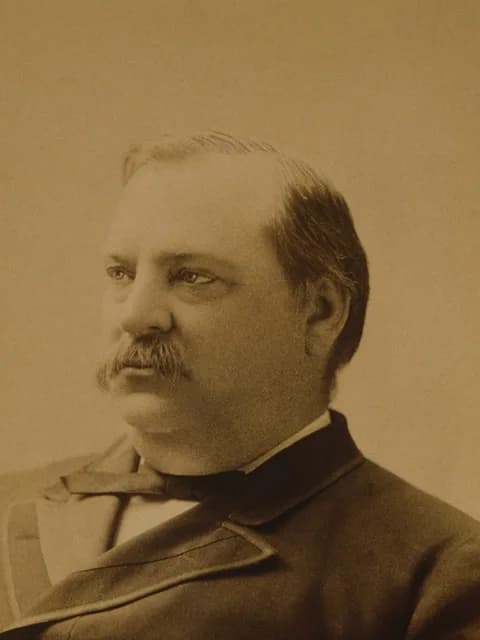
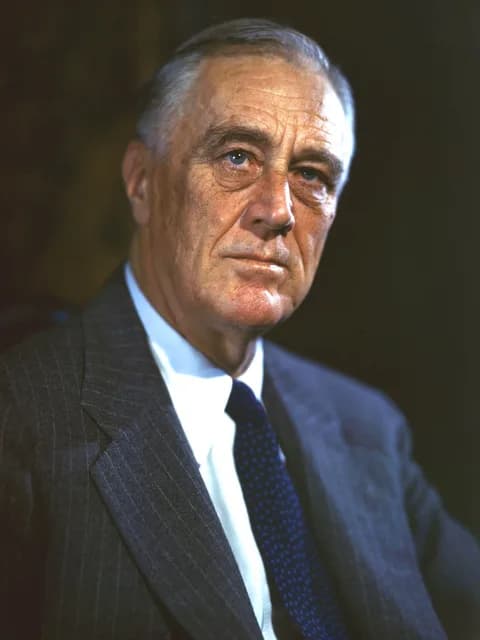
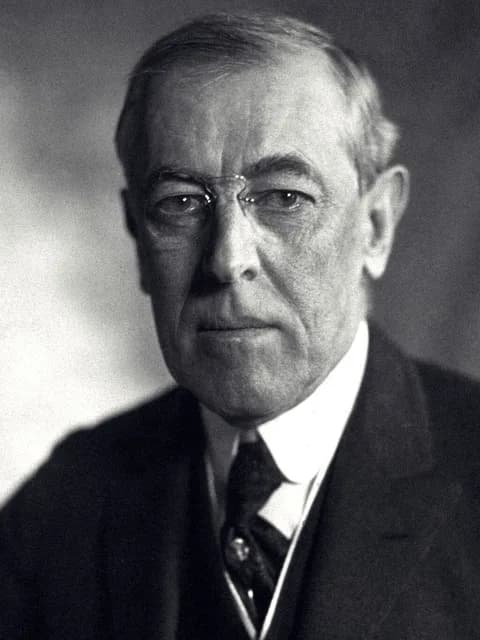
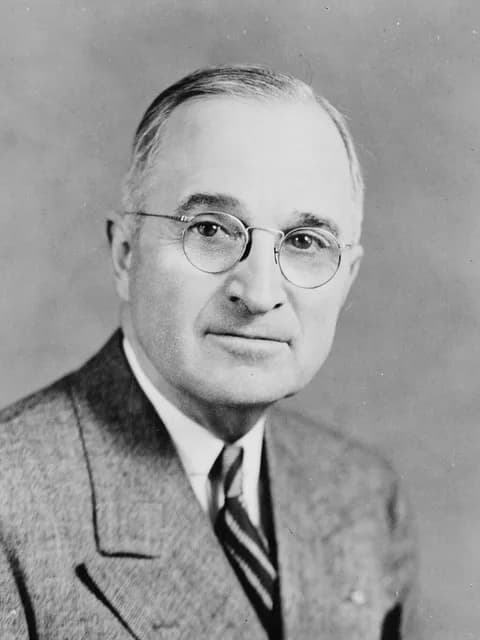
Polk compared with other presidents
Measured on the axes both presidents are scored on, with the same rules as the quiz.

Questions about James K. Polk’s politics
Something else on your mind? Get in touch
Sources and credits
Main source: Inaugural Address of James Knox Polk · The Avalon Project
Also read
Portrait: Mathew Brady, 1849 · Public domain
Scores are editorial estimates from the public record, not measurements. A place on this site is not praise.
Keep exploring
- All presidents in the quizTake the test and see which president you are closest to.
- Andrew JacksonThe president before Polk in our list.
- Abraham LincolnThe president after Polk in our list.
- United StatesWhere the United States sits on the twelve axes.
- MethodologyHow the axes, the scoring and the matching work.
How close are you to Polk?
Take the test and see how your twelve scores compare, axis by axis.