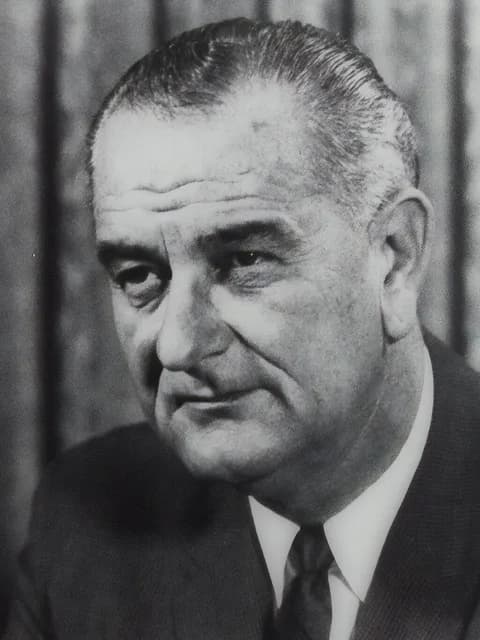
Thirty-sixth US president
Lyndon B. Johnson’s political views
The president who signed the Civil Rights Act, the Voting Rights Act, Medicare and Medicaid, and who also escalated the Vietnam War.
- Presidency
- 36th, 1963–1969
- Party
- Democratic
- Lived
- 1908–1973
- Scored on
- 10 of 12 axes
Strongest documented leanings
- Progressive82%
- Unitary80%
- Militarist75%
Where L. Johnson stood on the twelve axes
Each bar is one axis, between its two poles. Only axes with a documented position are scored; the others are shown as faint stubs on the icon and listed below, never as neutral.
Based on the Great Society legislation and his Vietnam decisions. His record points in opposite directions on war powers and civil liberties, so those axes sit near the middle.
- Federal vs UnitaryUnitary 80%FederalUnitary
The Civil Rights Act of 2 July 1964 and the Voting Rights Act of 6 August 1965 put federal law over state segregation and voter-registration rules.
- Democratic vs AutocraticDemocratic 65%DemocraticAutocratic
The Voting Rights Act widened the franchise, but the Tonkin Gulf Resolution of 7 August 1964 stood in for a declaration of war as he escalated in Vietnam.
- Security vs FreedomFreedom 50%SecurityFreedom
Signed the Civil Rights and Voting Rights Acts, and in 1968 the Omnibus Crime Control and Safe Streets Act, which authorised some wiretapping, after considering a veto.
- Nationalism vs InternationalismNationalism 55%NationalismInternationalism
Sent more than 20,000 Marines to the Dominican Republic in 1965, but signed the Nuclear Non-Proliferation Treaty in July 1968.
- Militarist vs PacifistMilitarist 75%MilitaristPacifist
Began the Rolling Thunder bombing in February 1965 and landed Marines at Da Nang on 8 March; US troops in Vietnam rose from about 16,000 in 1963 to over 500,000 in 1968.
- Assimilationist vs MulticulturalistMulticulturalist 75%AssimilationistMulticulturalist
Signed the Immigration and Nationality Act on 3 October 1965 at the foot of the Statue of Liberty, ending the national-origins quota system.
- Collectivize vs PrivatizeCollectivize 75%CollectivizePrivatize
Signed Medicare and Medicaid on 30 July 1965 and the Economic Opportunity Act of 1964, while also signing the 1964 income-tax cut.
- Planned vs Laissez-fairePlanned 70%PlannedLaissez-faire
Signed the Water Quality Act and the Motor Vehicle Air Pollution Control Act of 1965 and the Air Quality Act of 1967, but pursued growth through the 1964 tax cut.
- Isolationism vs GlobalismGlobalism 62%IsolationismGlobalism
The Kennedy Round, concluded on 30 June 1967, cut US tariffs by an average of about 35%.
- Progressive vs TraditionalProgressive 82%ProgressiveTraditional
The Civil Rights Act, the Voting Rights Act, Great Society programmes and the Public Broadcasting Act of 1967.
No documented position, so not scored: Irreligious vs Religious and Acceleration vs Bioconservative.
What shaped the scores
Dated actions from the record. Each is tied to the axis it informs.
Johnson signs the Revenue Act, which cuts the top income tax rate from 91% to 70%.
Collectivize vs Privatize
Presidency of Lyndon B. Johnson · WikipediaHe signs the Civil Rights Act after the Senate passes it 73–27.
Federal vs Unitary
Presidency of Lyndon B. Johnson · WikipediaCongress passes the Gulf of Tonkin Resolution, which authorises force in Southeast Asia.
Democratic vs Autocratic
Presidency of Lyndon B. Johnson · WikipediaTwo Marine battalions, about 3,500 troops, land near Da Nang.
Militarist vs Pacifist
Presidency of Lyndon B. Johnson · WikipediaHe signs the Social Security Amendments that create Medicare and Medicaid.
Collectivize vs Privatize
Presidency of Lyndon B. Johnson · WikipediaHe signs the Immigration and Nationality Act at the foot of the Statue of Liberty, ending the national-origins quota system.
Assimilationist vs Multiculturalist
Immigration and Nationality Act of 1965 · Wikipedia
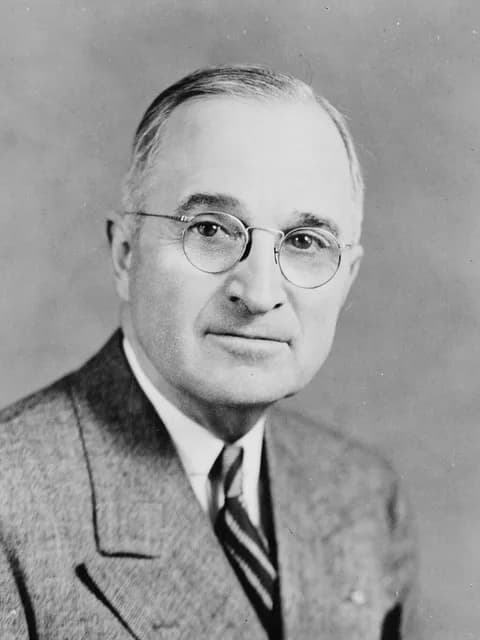
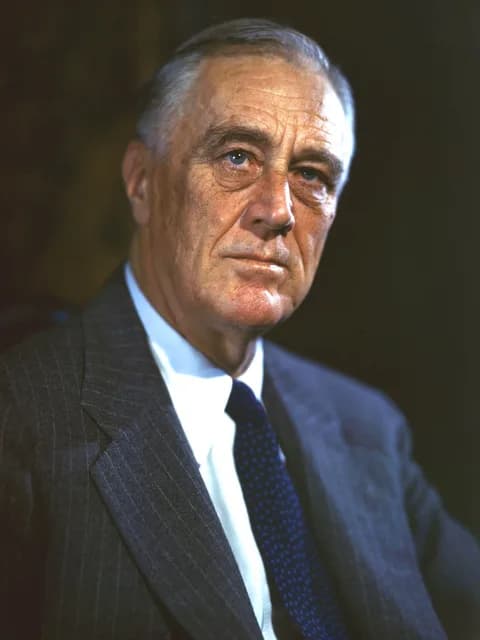
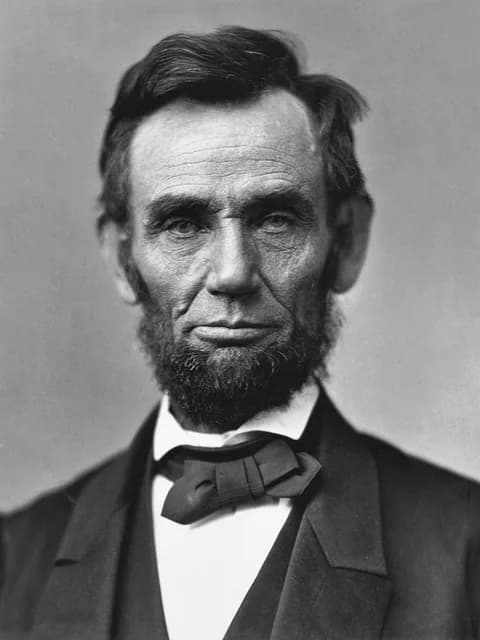
L. Johnson compared with other presidents
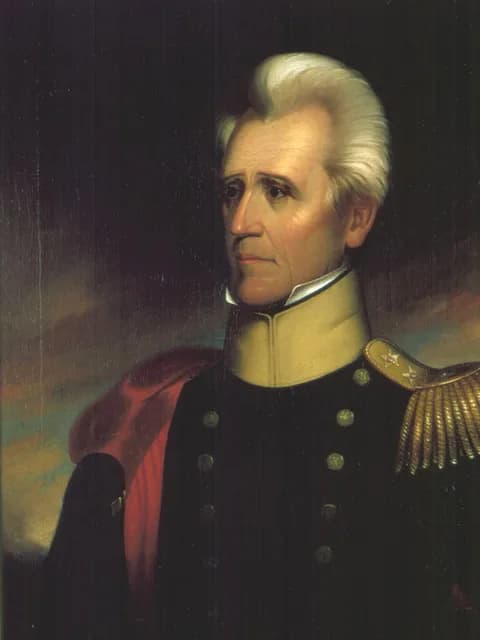
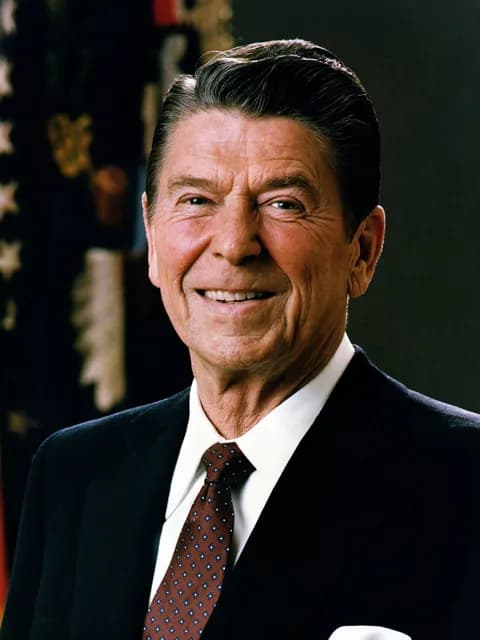
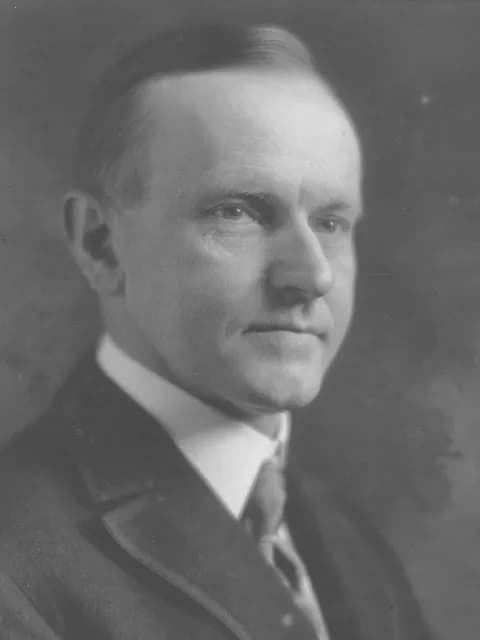
Measured on the axes both presidents are scored on, with the same rules as the quiz.
Questions about Lyndon B. Johnson’s politics
Something else on your mind? Get in touch
Sources and credits
Main source: Inaugural Address of Lyndon Baines Johnson · The Avalon Project
Also read
Portrait: Official White House portrait, 1964 · Public domain
Scores are editorial estimates from the public record, not measurements. A place on this site is not praise.
Keep exploring
- All presidents in the quizTake the test and see which president you are closest to.
- John F. KennedyThe president before L. Johnson in our list.
- Richard NixonThe president after L. Johnson in our list.
- United StatesWhere the United States sits on the twelve axes.
- MethodologyHow the axes, the scoring and the matching work.
How close are you to L. Johnson?
Take the test and see how your twelve scores compare, axis by axis.