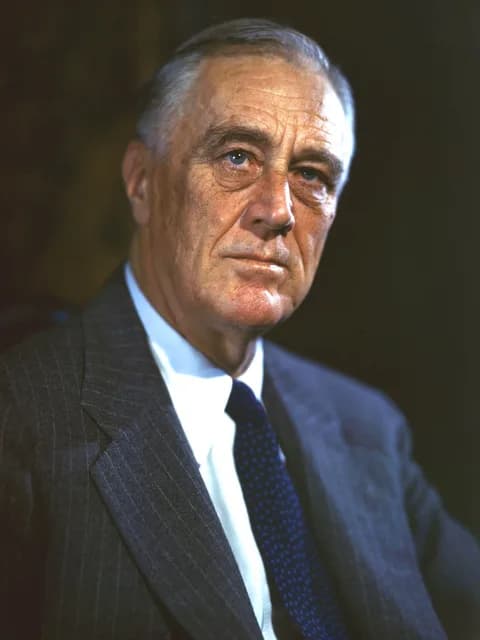
Thirty-second US president
Franklin D. Roosevelt’s political views
The US president who led the country through the Great Depression and most of the Second World War, and whose New Deal created Social Security and extended federal regulation of the economy.
- Presidency
- 32nd, 1933–1945
- Party
- Democratic
- Lived
- 1882–1945
- Scored on
- 11 of 12 axes
Strongest documented leanings
- Democratic80%
- Planned80%
- Progressive78%
Where F. Roosevelt stood on the twelve axes
Each bar is one axis, between its two poles. Only axes with a documented position are scored; the others are shown as faint stubs on the icon and listed below, never as neutral.
Based on his New Deal speeches and Four Freedoms. He expanded public employment, social security, and democratic resilience against economic ruin.
- Federal vs UnitaryUnitary 75%FederalUnitary
Massive expansion of federal administrative power to combat the Great Depression.
- Democratic vs AutocraticDemocratic 80%DemocraticAutocratic
Preservation of democratic constitutional legitimacy amidst the global rise of fascism.
- Security vs FreedomSecurity 62%SecurityFreedom
The Four Freedoms speech pairs civil liberties with “freedom from fear”, and Executive Order 9066 led to interning Japanese Americans.
- Nationalism vs InternationalismInternationalism 70%NationalismInternationalism
Backed the Four Freedoms “everywhere in the world” and the founding of the United Nations.
- Militarist vs PacifistMilitarist 70%MilitaristPacifist
Signed the Selective Training and Service Act in September 1940, the first peacetime draft, and the Lend-Lease Act in March 1941, after calling the United States the arsenal of democracy.
- Assimilationist vs MulticulturalistAssimilationist 55%AssimilationistMulticulturalist
Issued Executive Order 8802 in June 1941 banning discrimination in defence industries, but Executive Order 9066 in February 1942 led to the internment of Japanese Americans.
- Collectivize vs PrivatizeCollectivize 70%CollectivizePrivatize
Social Security, Tennessee Valley Authority, and public safety nets to curb private economic ruin.
- Planned vs Laissez-fairePlanned 80%PlannedLaissez-faire
The New Deal: regulatory oversight of finance, labor rights, and extensive public works.
- Isolationism vs GlobalismGlobalism 65%IsolationismGlobalism
The Reciprocal Trade Agreements Act of 1934 let the administration cut tariffs by treaty.
- Irreligious vs ReligiousReligious 62%IrreligiousReligious
Named freedom of worship among the Four Freedoms in January 1941 and led the nation in a prayer in a radio address on D-Day, 6 June 1944.
- Progressive vs TraditionalProgressive 78%ProgressiveTraditional
Appointed Frances Perkins, the first woman in a cabinet, in March 1933 and signed the Fair Labor Standards Act on 25 June 1938, which set a minimum wage and limited child labour.
No documented position, so not scored: Acceleration vs Bioconservative.
What shaped the scores
Dated actions from the record. Each is tied to the axis it informs.
He signs the law creating the Tennessee Valley Authority.
Collectivize vs Privatize
Presidency of Franklin D. Roosevelt (1933–1941) · WikipediaHe signs the Glass–Steagall Act, which separates commercial banks from securities firms and insures deposits.
Planned vs Laissez-faire
Presidency of Franklin D. Roosevelt (1933–1941) · WikipediaHe signs the Reciprocal Trade Agreements Act, which lets the administration cut tariffs by agreement with other countries.
Isolationism vs Globalism
Presidency of Franklin D. Roosevelt (1933–1941) · WikipediaHe signs the Social Security Act, funded by a payroll tax paid equally by employers and employees.
Collectivize vs Privatize
Social Security Act · WikipediaHis Four Freedoms speech names freedom from fear and want beside freedom of speech and of worship.
Security vs Freedom
Presidency of Franklin D. Roosevelt (1933–1941) · WikipediaHe signs Executive Order 9066, which leads to the internment of about 120,000 Japanese Americans.
Security vs Freedom
Presidency of Franklin D. Roosevelt (1941–1945) · Wikipedia
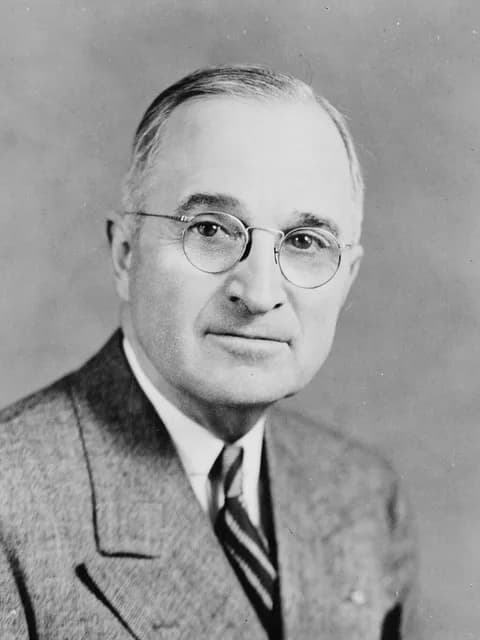
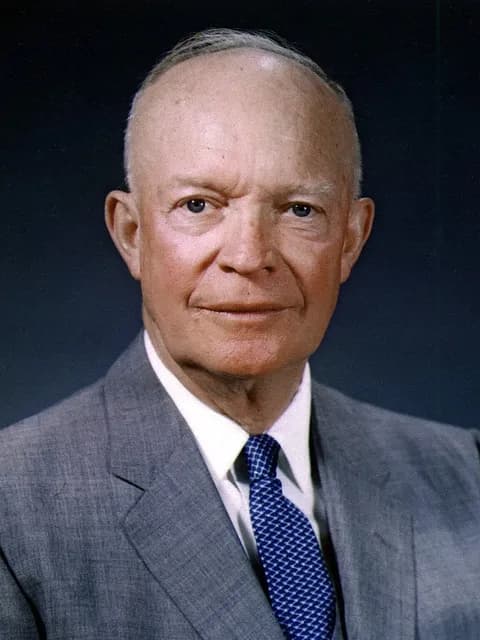
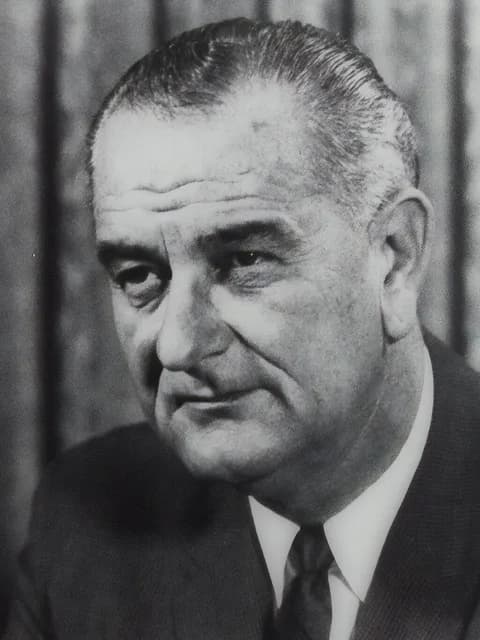
F. Roosevelt compared with other presidents
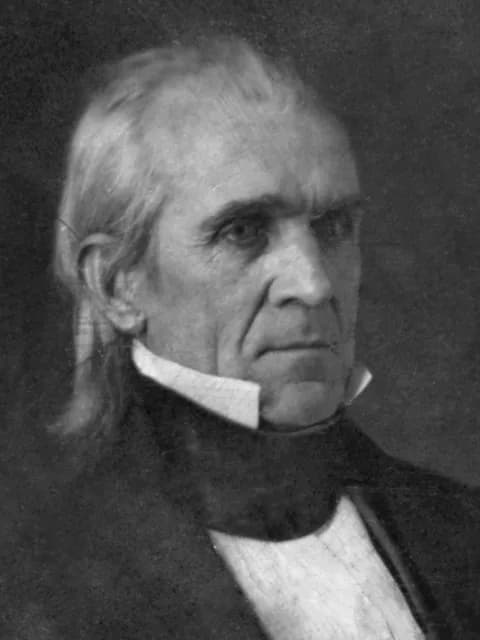
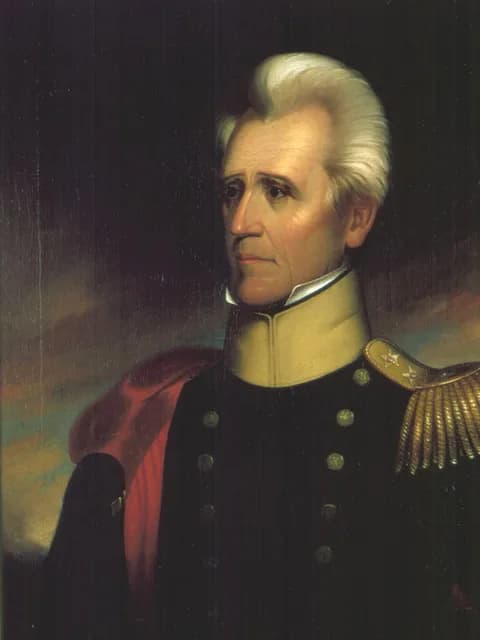
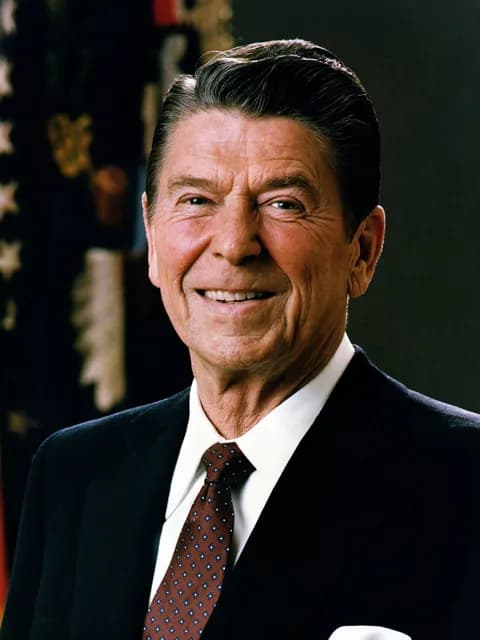
Measured on the axes both presidents are scored on, with the same rules as the quiz.
Questions about Franklin D. Roosevelt’s politics
Something else on your mind? Get in touch
Sources and credits
Main source: FDR and the Four Freedoms Speech · FDR Presidential Library & Museum
Also read
Portrait: Leon Perskie, 1944 · CC BY 2.0
Scores are editorial estimates from the public record, not measurements. A place on this site is not praise.
Keep exploring
- All presidents in the quizTake the test and see which president you are closest to.
- Herbert HooverThe president before F. Roosevelt in our list.
- Harry S. TrumanThe president after F. Roosevelt in our list.
- United StatesWhere the United States sits on the twelve axes.
- MethodologyHow the axes, the scoring and the matching work.
How close are you to F. Roosevelt?
Take the test and see how your twelve scores compare, axis by axis.