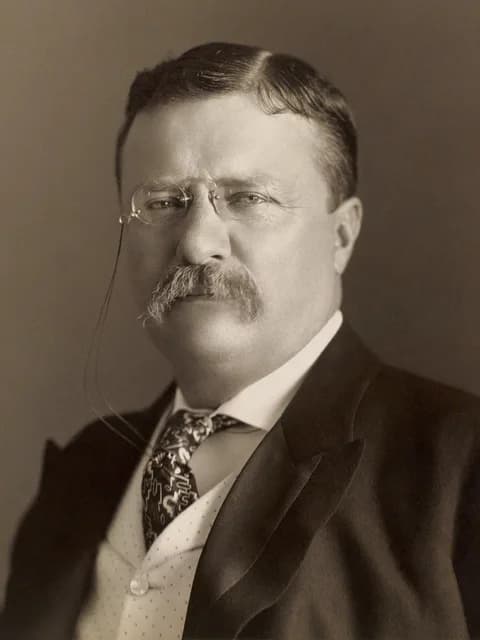
Twenty-sixth US president
Theodore Roosevelt’s political views
The US president who broke up trusts, protected large areas of land for conservation and pursued an assertive foreign policy, and who ran again in 1912 on the Progressive ticket.
- Presidency
- 26th, 1901–1909
- Party
- Republican
- Lived
- 1858–1919
- Scored on
- 8 of 12 axes
Strongest documented leanings
- Nationalism85%
- Militarist80%
- Assimilationist75%
Where T. Roosevelt stood on the twelve axes
Each bar is one axis, between its two poles. Only axes with a documented position are scored; the others are shown as faint stubs on the icon and listed below, never as neutral.
Based on his Square Deal and New Nationalism. He asserted presidential stewardship to regulate monopolies, protect labor, and conserve natural resources.
- Federal vs UnitaryUnitary 70%FederalUnitary
Strong federal executive stewardship over corporations, states, and natural resources.
- Security vs FreedomSecurity 65%SecurityFreedom
Federal power deployed against corrupt trusts and violent labor disputes.
- Nationalism vs InternationalismNationalism 85%NationalismInternationalism
Big Stick diplomacy: robust projection of national power and naval preparedness.
- Militarist vs PacifistMilitarist 80%MilitaristPacifist
Advocate of the strenuous life, military readiness, and assertive foreign policy.
- Assimilationist vs MulticulturalistAssimilationist 75%AssimilationistMulticulturalist
Americanization: total devotion to a single national identity without hyphenated loyalties.
- Collectivize vs PrivatizeCollectivize 65%CollectivizePrivatize
The New Nationalism puts human welfare above property rights and wants property subject to the public good.
- Planned vs Laissez-fairePlanned 75%PlannedLaissez-faire
Backed the Hepburn Act on railway rates and the Pure Food and Drug Act, on the principle that government should regulate big business.
- Progressive vs TraditionalProgressive 70%ProgressiveTraditional
Invited Booker T. Washington to dine at the White House in October 1901, and the Progressive Party platform of 1912, on which he ran, endorsed votes for women.
No documented position, so not scored: Democratic vs Autocratic, Isolationism vs Globalism, Irreligious vs Religious, and Acceleration vs Bioconservative.
What shaped the scores
Dated actions from the record. Each is tied to the axis it informs.
His Justice Department announces an antitrust suit against the Northern Securities Company.
Planned vs Laissez-faire
Presidency of Theodore Roosevelt · WikipediaHe hosts mine union leaders and operators at the White House to try to settle the anthracite coal strike.
Security vs Freedom
Presidency of Theodore Roosevelt · WikipediaHis annual message sets out the Roosevelt Corollary to the Monroe Doctrine.
Nationalism vs Internationalism
Presidency of Theodore Roosevelt · WikipediaHe signs the Hepburn Act, which lets the Interstate Commerce Commission set maximum railroad rates.
Planned vs Laissez-faire
Hepburn Act · WikipediaIn his New Nationalism speech at Osawatomie, Kansas, he argues that human welfare comes before property rights.
Collectivize vs Privatize
The New Nationalism · Teaching American HistoryHe tells the Knights of Columbus that there is no room in the country for hyphenated Americanism.
Assimilationist vs Multiculturalist
Americanism, 12 October 1915 · Project Gutenberg
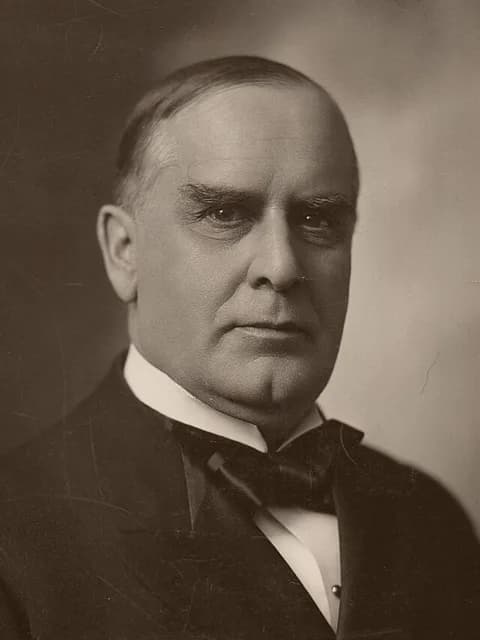
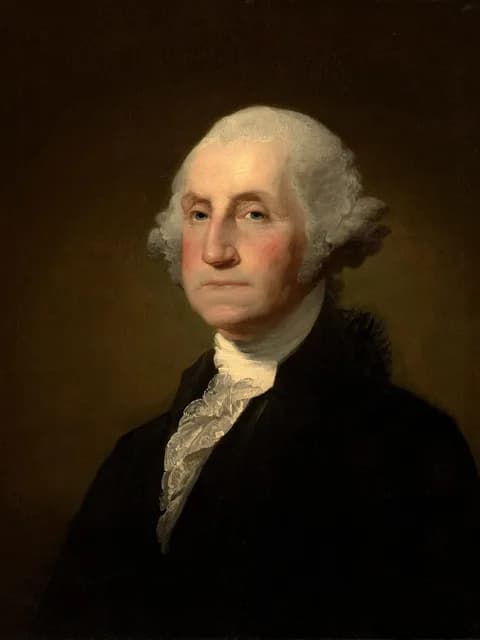
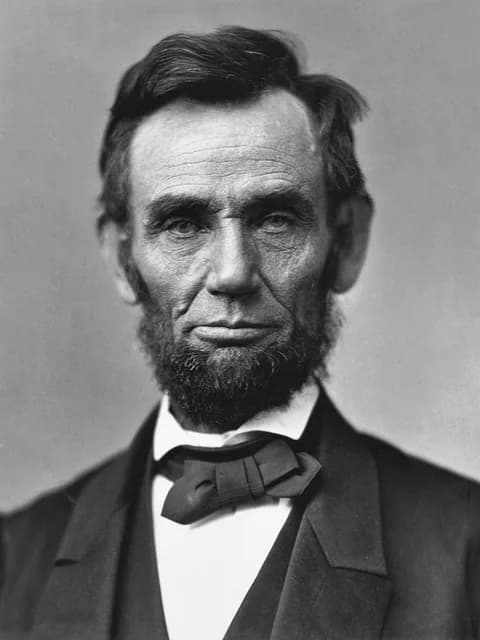
T. Roosevelt compared with other presidents
Measured on the axes both presidents are scored on, with the same rules as the quiz.
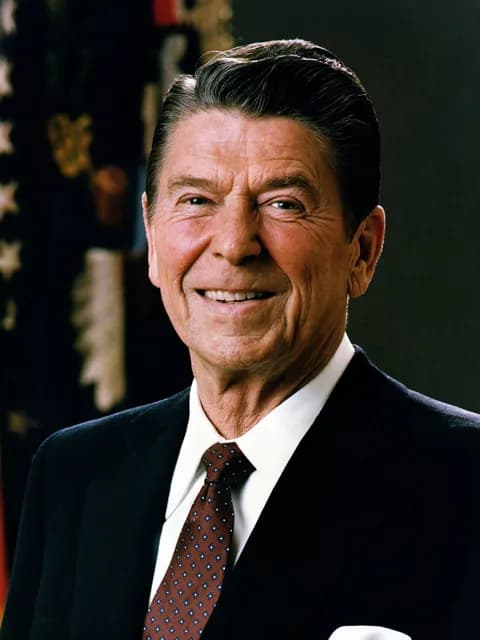
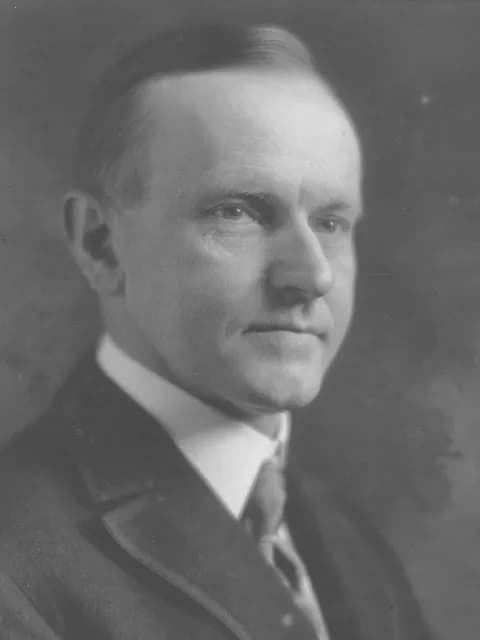
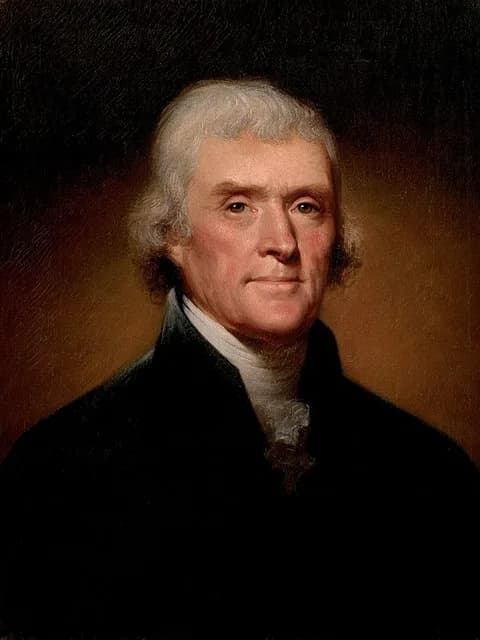
Questions about Theodore Roosevelt’s politics
Something else on your mind? Get in touch
Sources and credits
Main source: The New Nationalism · Teaching American History
Portrait: Pach Brothers, 1904 · Public domain
Scores are editorial estimates from the public record, not measurements. A place on this site is not praise.
Keep exploring
- All presidents in the quizTake the test and see which president you are closest to.
- William McKinleyThe president before T. Roosevelt in our list.
- William Howard TaftThe president after T. Roosevelt in our list.
- United StatesWhere the United States sits on the twelve axes.
- MethodologyHow the axes, the scoring and the matching work.
How close are you to T. Roosevelt?
Take the test and see how your twelve scores compare, axis by axis.