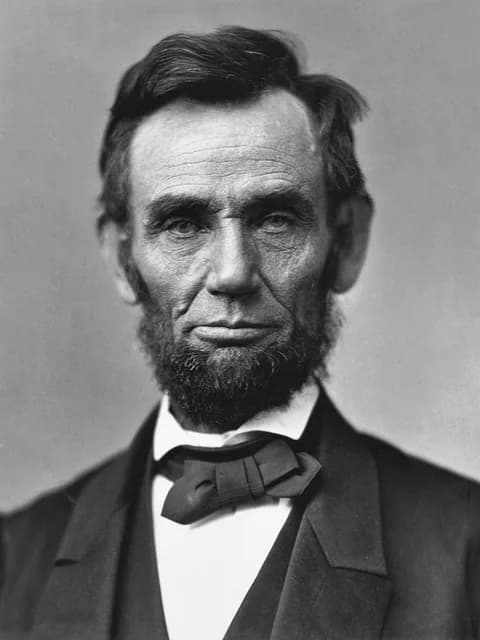
Sixteenth US president
Abraham Lincoln’s political views
The US president who led the Union through the Civil War, issued the Emancipation Proclamation and backed the Thirteenth Amendment that ended slavery.
- Presidency
- 16th, 1861–1865
- Party
- Republican
- Lived
- 1809–1865
- Scored on
- 9 of 12 axes
Strongest documented leanings
- Progressive80%
- Democratic75%
- Isolationism70%
Where Lincoln stood on the twelve axes
Each bar is one axis, between its two poles. Only axes with a documented position are scored; the others are shown as faint stubs on the icon and listed below, never as neutral.
Based on the Gettysburg Address and Second Inaugural. He preserved the Union and abolished slavery to advance government of the people.
- Federal vs UnitaryUnitary 65%FederalUnitary
The Union is perpetual and indivisible; national sovereignty supersedes state secession.
- Democratic vs AutocraticDemocratic 75%DemocraticAutocratic
Government of the people, by the people, for the people establishes republican legitimacy.
- Security vs FreedomSecurity 65%SecurityFreedom
Suspended habeas corpus in 1861 and had civilians held under military authority during the war.
- Militarist vs PacifistMilitarist 60%MilitaristPacifist
Firm exercise of war powers to save the Union and eradicate slavery, with malice toward none.
- Assimilationist vs MulticulturalistMulticulturalist 58%AssimilationistMulticulturalist
Condemned Know-Nothing hostility to immigrants and Catholics in an 1855 letter, though he also backed colonization of freed slaves.
- Planned vs Laissez-fairePlanned 65%PlannedLaissez-faire
Federal support for transcontinental railways, homesteads, and land-grant colleges.
- Isolationism vs GlobalismIsolationism 70%IsolationismGlobalism
Whig economic nationalism supporting domestic manufacturing and protective tariffs.
- Irreligious vs ReligiousReligious 65%IrreligiousReligious
Proclaimed a national day of thanksgiving in October 1863, and said in his Second Inaugural Address of 4 March 1865 that the Almighty has His own purposes.
- Progressive vs TraditionalProgressive 80%ProgressiveTraditional
Was instrumental in the passage of the Thirteenth Amendment in 1865, which abolished slavery.
No documented position, so not scored: Nationalism vs Internationalism, Collectivize vs Privatize, and Acceleration vs Bioconservative.
What shaped the scores
Dated actions from the record. Each is tied to the axis it informs.
In a letter to Joshua Speed he condemns the Know-Nothing movement’s hostility to immigrants and Catholics.
Assimilationist vs Multiculturalist
Lincoln on the Know Nothing Party · National Park ServiceHis first inaugural address holds that the Union is perpetual and that no state can lawfully leave it.
Federal vs Unitary
Presidency of Abraham Lincoln · WikipediaHe authorises General Scott to suspend habeas corpus along the military line from Annapolis to Washington; the Supreme Court’s chief justice rules that only Congress may do so, and the administration does not comply.
Security vs Freedom
Ex parte Merryman · WikipediaHe signs the Homestead Act, the Pacific Railroad Act and the Morrill Land-Grant Act.
Planned vs Laissez-faire
Presidency of Abraham Lincoln · WikipediaThe Emancipation Proclamation takes effect, justified as an exercise of his war powers.
Militarist vs Pacifist
Presidency of Abraham Lincoln · WikipediaAt Gettysburg he speaks of a government of the people, by the people, for the people.
Democratic vs Autocratic
Presidency of Abraham Lincoln · Wikipedia
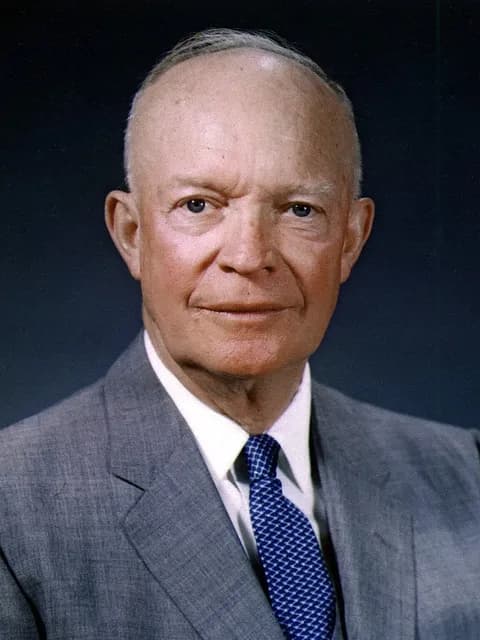
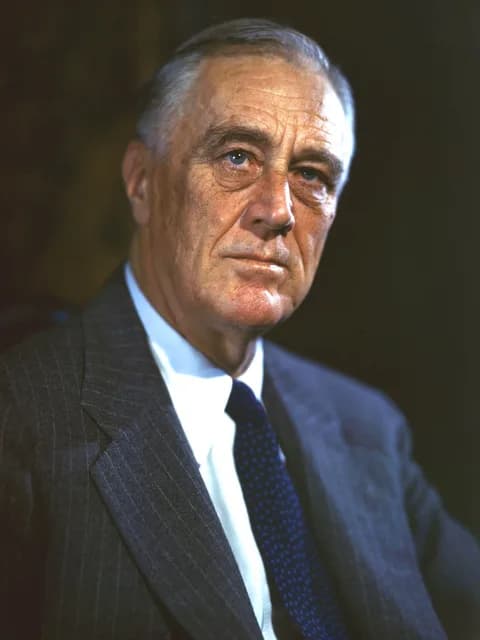
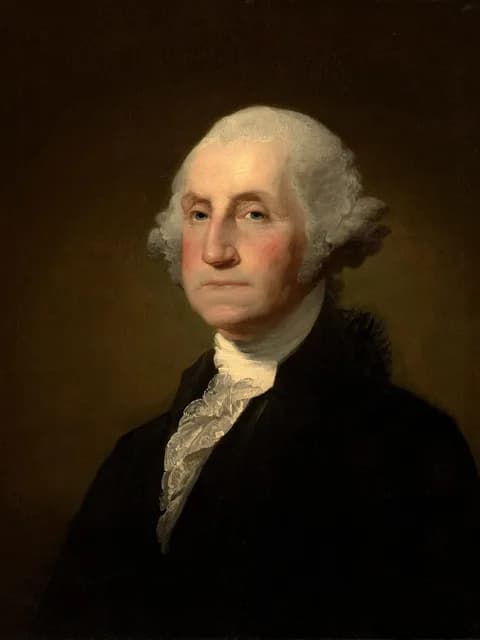
Lincoln compared with other presidents
Measured on the axes both presidents are scored on, with the same rules as the quiz.
Questions about Abraham Lincoln’s politics
Something else on your mind? Get in touch
Sources and credits
Main source: Gettysburg Address · The Avalon Project
Portrait: Alexander Gardner, 1863 · Public domain
Scores are editorial estimates from the public record, not measurements. A place on this site is not praise.
Keep exploring
- All presidents in the quizTake the test and see which president you are closest to.
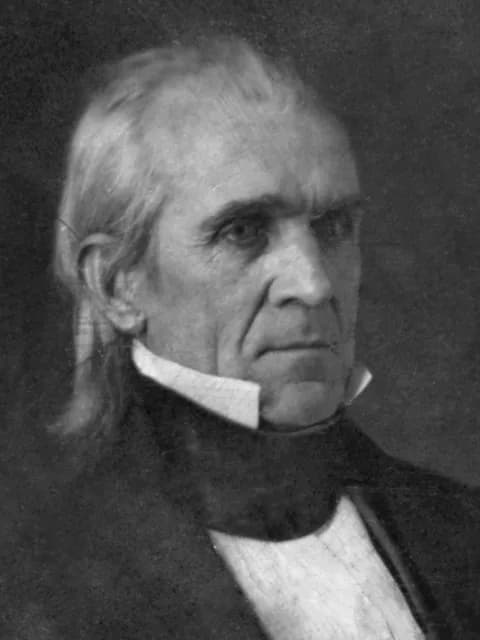
- James K. PolkThe president before Lincoln in our list.
- Ulysses S. GrantThe president after Lincoln in our list.
- United StatesWhere the United States sits on the twelve axes.
- MethodologyHow the axes, the scoring and the matching work.
How close are you to Lincoln?
Take the test and see how your twelve scores compare, axis by axis.