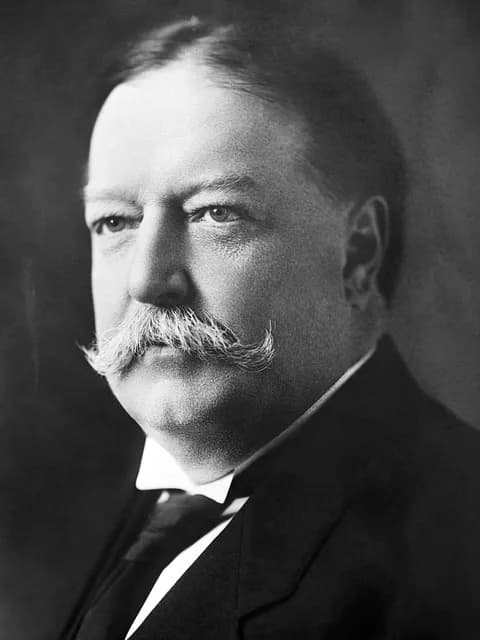
Twenty-seventh US president
William Howard Taft’s political views
The twenty-seventh president, who brought more antitrust cases than Roosevelt, backed the income-tax amendment, signed the Payne–Aldrich Tariff and lost the 1912 election after Roosevelt split the party.
- Presidency
- 27th, 1909–1913
- Party
- Republican
- Lived
- 1857–1930
- Scored on
- 7 of 12 axes
Strongest documented leanings
- Planned70%
- Traditional65%
- Multiculturalist60%
Where Taft stood on the twelve axes
Each bar is one axis, between its two poles. Only axes with a documented position are scored; the others are shown as faint stubs on the icon and listed below, never as neutral.
Based on his record from 1909 to 1913. His later service as Chief Justice is not scored here; only the presidency is.
- Nationalism vs InternationalismInternationalism 55%NationalismInternationalism
Negotiated arbitration treaties with Britain and France in 1911, which the Senate amended until Taft could not accept them.
- Militarist vs PacifistMilitarist 55%MilitaristPacifist
Sent troops to Nicaragua after the 1911 coup and the 1912 disturbances as part of dollar diplomacy, yet said the United States would not intervene in revolutionary Mexico without congressional approval.
- Assimilationist vs MulticulturalistMulticulturalist 60%AssimilationistMulticulturalist
Vetoed the immigration bill in February 1913 because it imposed a literacy test on new arrivals; supporters could not muster the votes to override him.
- Collectivize vs PrivatizeCollectivize 55%CollectivizePrivatize
Backed the Sixteenth Amendment, passed by Congress in mid-1909, and a corporation tax, and won the law creating the Postal Savings System in 1910, to head off a general income tax.
- Planned vs Laissez-fairePlanned 70%PlannedLaissez-faire
Brought 70 antitrust cases in four years against Roosevelt’s 40 in seven, won the 1911 Supreme Court rulings against Standard Oil and American Tobacco, and signed the Mann–Elkins Act of 18 June 1910.
- Isolationism vs GlobalismIsolationism 60%IsolationismGlobalism
Signed the Payne–Aldrich Tariff on 5 August 1909, which angered progressives, then won congressional approval of a Canadian reciprocity agreement in July 1911 that Canada rejected after Prime Minister Laurier lost the September election.
- Progressive vs TraditionalTraditional 65%ProgressiveTraditional
Opposed the judicial recall and vetoed Arizona’s statehood bill over it in 1911, signing the admission bill on 14 February 1912 only after Arizona removed the provision.
No documented position, so not scored: Federal vs Unitary, Democratic vs Autocratic, Security vs Freedom, Irreligious vs Religious, and Acceleration vs Bioconservative.
What shaped the scores
Dated actions from the record. Each is tied to the axis it informs.
Taft signs the Payne–Aldrich Tariff at 5:05 pm, with a corporation tax added in conference.
Isolationism vs Globalism
Payne–Aldrich Tariff Act · WikipediaCongress passes the resolution proposing the Sixteenth Amendment, which Taft backs.
Collectivize vs Privatize
Presidency of William Howard Taft · WikipediaHe signs the Mann–Elkins Act, which gives the Interstate Commerce Commission power over telephone, telegraph and wireless companies and creates the Commerce Court.
Planned vs Laissez-faire
Mann–Elkins Act · WikipediaThe Supreme Court rules for the government against Standard Oil and American Tobacco.
Planned vs Laissez-faire
Presidency of William Howard Taft · WikipediaCongress approves the Canadian reciprocity agreement; Canada rejects it after the September election.
Isolationism vs Globalism
Presidency of William Howard Taft · WikipediaHe signs Arizona’s admission as a state after it drops the judicial recall.
Progressive vs Traditional
Presidency of William Howard Taft · WikipediaHe vetoes the immigration bill because of its literacy test; Congress does not override him.
Assimilationist vs Multiculturalist
John Lawson Burnett · Encyclopedia of Alabama
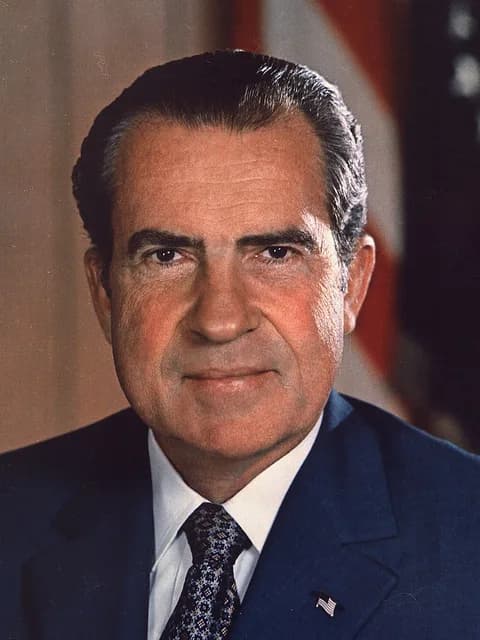
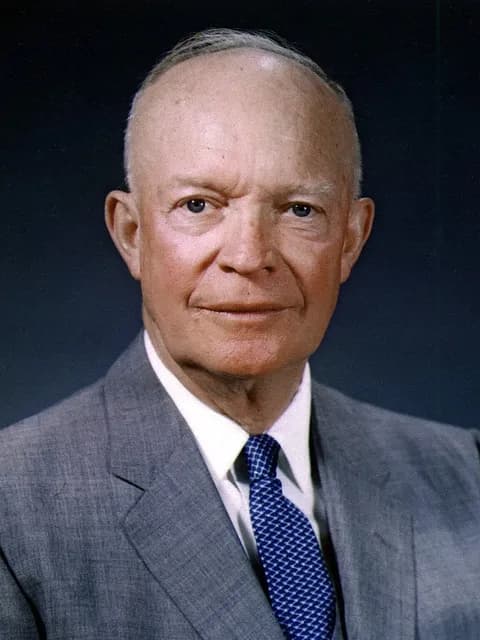
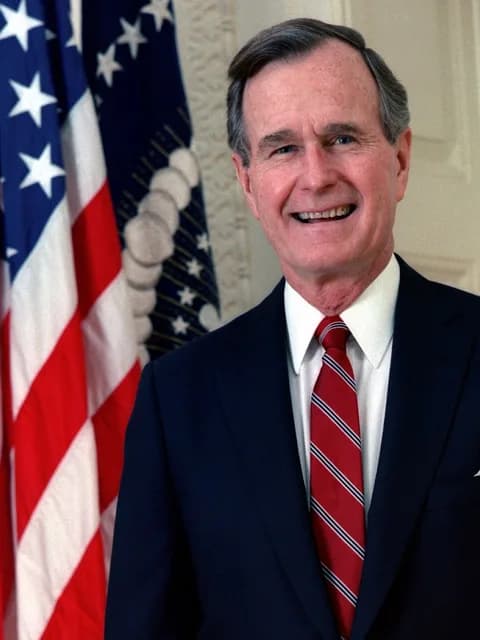
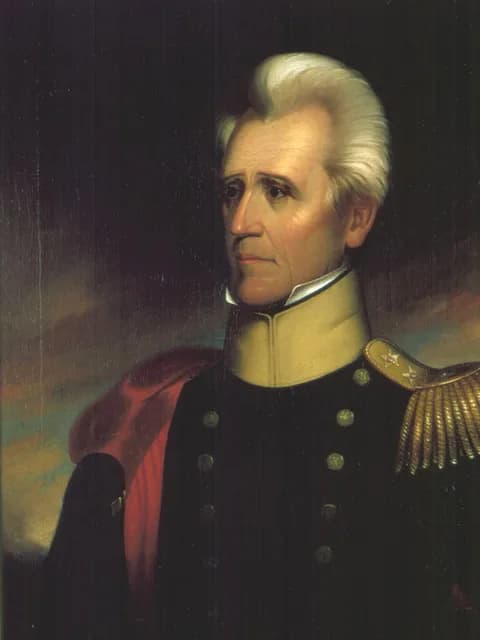
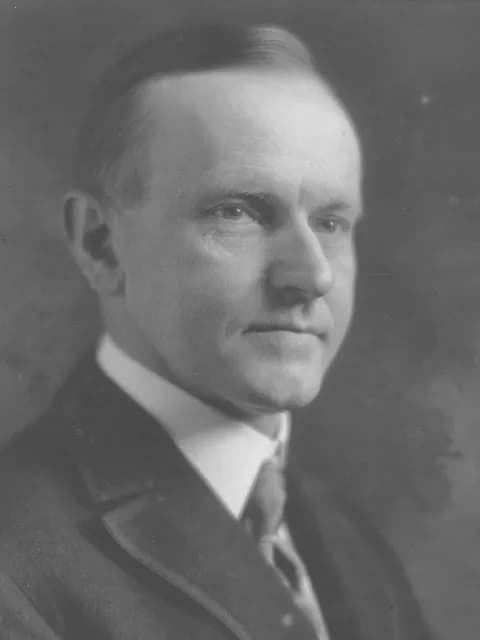
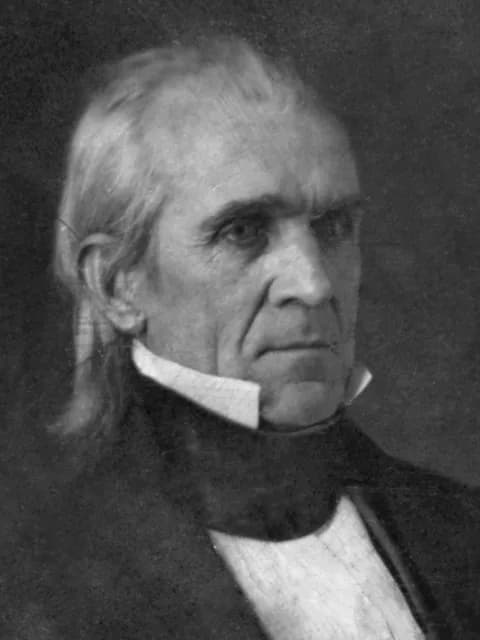
Taft compared with other presidents
Measured on the axes both presidents are scored on, with the same rules as the quiz.
Questions about William Howard Taft’s politics
Something else on your mind? Get in touch
Sources and credits
Main source: Inaugural Address of William Howard Taft · The Avalon Project
Also read
Portrait: George Grantham Bain, 1908 · Public domain
Scores are editorial estimates from the public record, not measurements. A place on this site is not praise.
Keep exploring
- All presidents in the quizTake the test and see which president you are closest to.
- Theodore RooseveltThe president before Taft in our list.
- Woodrow WilsonThe president after Taft in our list.
- United StatesWhere the United States sits on the twelve axes.
- MethodologyHow the axes, the scoring and the matching work.
How close are you to Taft?
Take the test and see how your twelve scores compare, axis by axis.