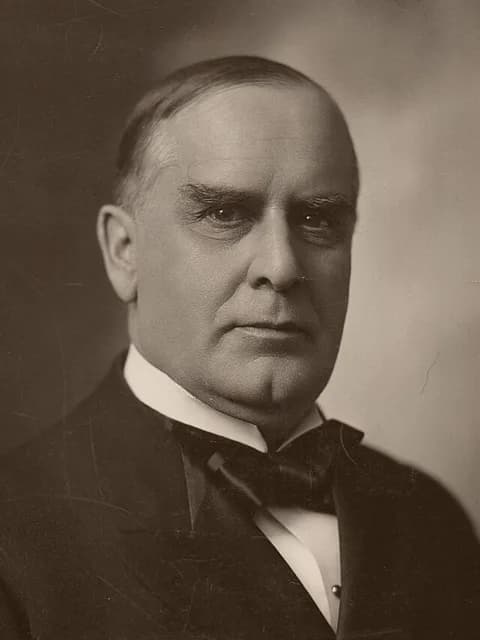
Twenty-fifth US president
William McKinley’s political views
The twenty-fifth president, who signed the Dingley Tariff and the Gold Standard Act, led the country into the Spanish–American War and annexed Hawaii and the Philippines.
- Presidency
- 25th, 1897–1901
- Party
- Republican
- Lived
- 1843–1901
- Scored on
- 5 of 12 axes
Strongest documented leanings
- Militarist85%
- Nationalism78%
- Assimilationist75%
Where McKinley stood on the twelve axes
Each bar is one axis, between its two poles. Only axes with a documented position are scored; the others are shown as faint stubs on the icon and listed below, never as neutral.
Based on his record from 1897 until his assassination in September 1901. He is scored on five axes, the fewest in this list, because his short presidency left a narrow record on social and constitutional questions.
- Nationalism vs InternationalismNationalism 78%NationalismInternationalism
Signed the Newlands Resolution annexing Hawaii on 8 July 1898, though the Teller Amendment of April 1898 had disclaimed any intention to annex Cuba.
- Militarist vs PacifistMilitarist 85%MilitaristPacifist
Turned the Cuba crisis over to Congress on 11 April 1898; Congress declared war on 20 April, and the Treaty of Paris of 18 December 1898 gave the United States Puerto Rico, the Philippines and Guam.
- Assimilationist vs MulticulturalistAssimilationist 75%AssimilationistMulticulturalist
On 21 December 1898 ordered that American military government extend over all of the ceded Philippines, under the policy he called benevolent assimilation.
- Planned vs Laissez-faireLaissez-faire 50%PlannedLaissez-faire
Signed the Dingley Tariff, which protected domestic industry, and the Gold Standard Act of 14 March 1900, which fixed the dollar at 25.8 grains of gold; the record points both ways.
- Isolationism vs GlobalismIsolationism 72%IsolationismGlobalism
Signed the Dingley Tariff on 24 July 1897, the highest in US history, with rates of about 52% in its first year, though his reciprocity treaties were later blocked by the Senate.
No documented position, so not scored: Federal vs Unitary, Democratic vs Autocratic, Security vs Freedom, Collectivize vs Privatize, Irreligious vs Religious, Progressive vs Traditional, and Acceleration vs Bioconservative.
What shaped the scores
Dated actions from the record. Each is tied to the axis it informs.
McKinley signs the Dingley Tariff, which raises average duties to about 52% in its first year.
Isolationism vs Globalism
Dingley Tariff · WikipediaCongress declares war on Spain and adopts the Teller Amendment, which disclaims any intention to annex Cuba.
Militarist vs Pacifist
Presidency of William McKinley · WikipediaMcKinley signs the Newlands Resolution annexing Hawaii.
Nationalism vs Internationalism
Presidency of William McKinley · WikipediaThe Treaty of Paris gives the United States Puerto Rico, the Philippines and Guam; the Senate ratifies it 57–27 on 6 February 1899.
Militarist vs Pacifist
Presidency of William McKinley · WikipediaHe orders American military government over the ceded Philippines, in a memorandum known for the phrase benevolent assimilation.
Assimilationist vs Multiculturalist
Benevolent assimilation · WikipediaHe signs the Gold Standard Act, which fixes the dollar at 25.8 grains of gold.
Planned vs Laissez-faire
Gold Standard Act · Wikipedia
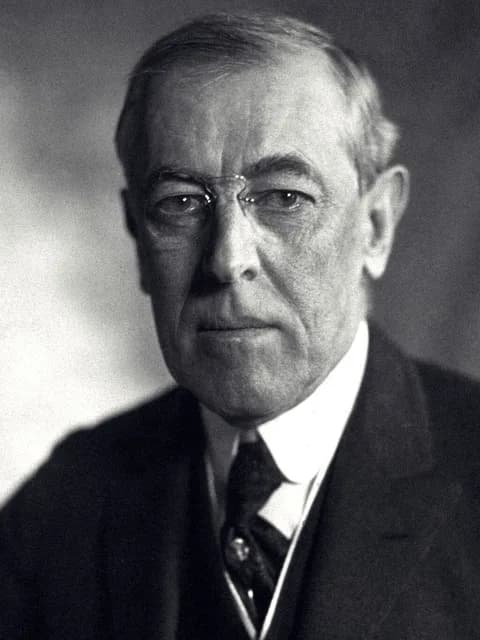
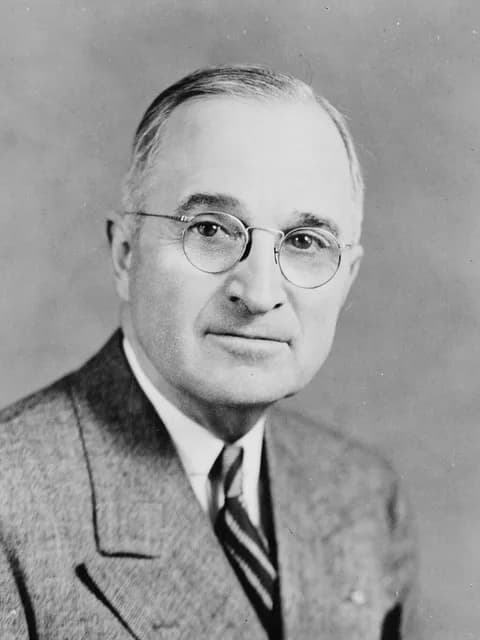
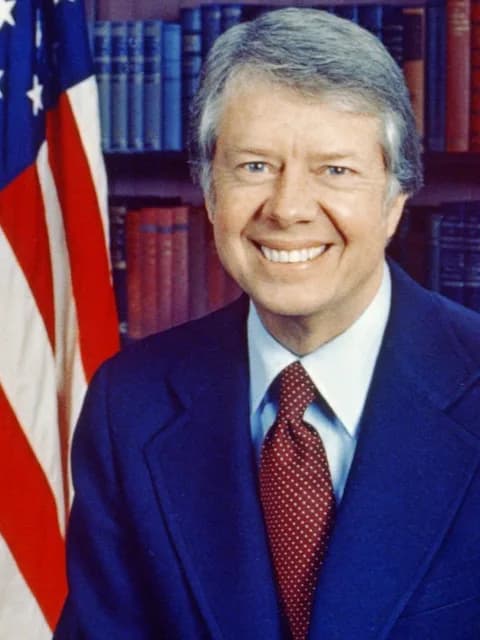
McKinley compared with other presidents
Measured on the axes both presidents are scored on, with the same rules as the quiz.
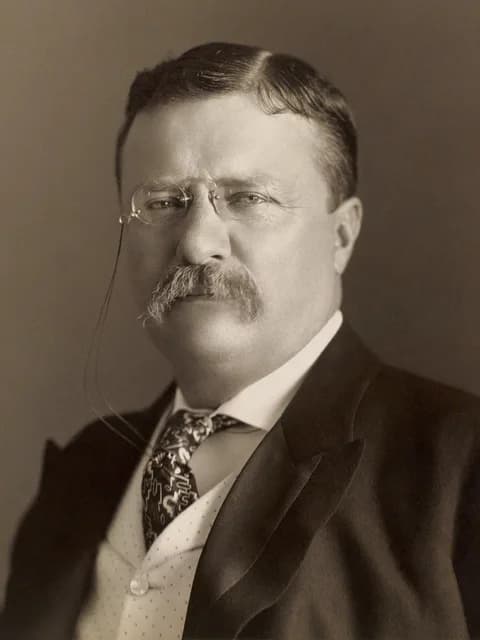
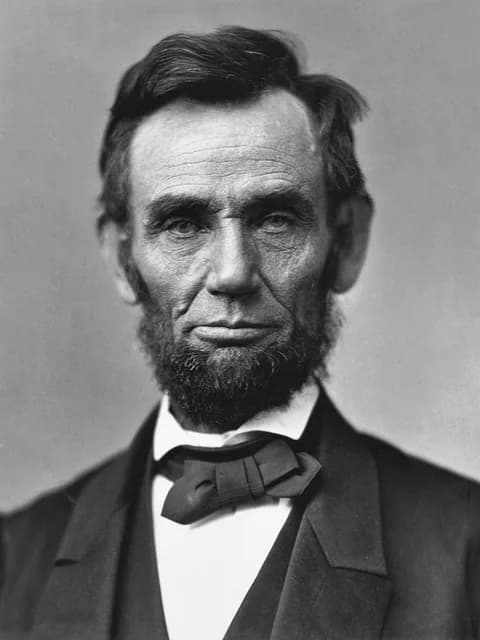
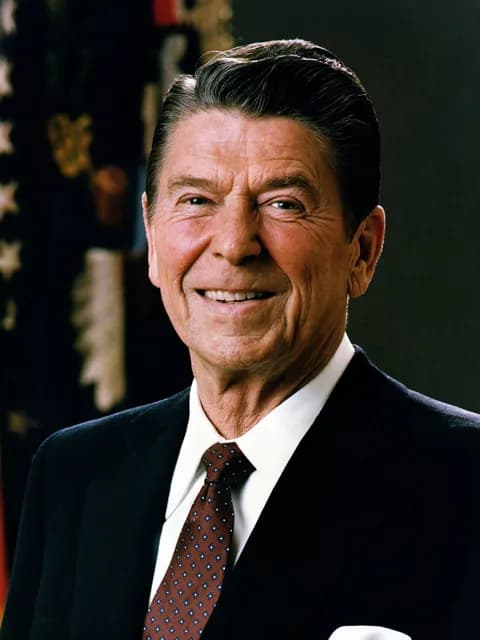
Questions about William McKinley’s politics
Something else on your mind? Get in touch
Sources and credits
Main source: First Inaugural Address of William McKinley · The Avalon Project
Also read
Portrait: Courtney Art Studio, 1896 · Public domain
Scores are editorial estimates from the public record, not measurements. A place on this site is not praise.
Keep exploring
- All presidents in the quizTake the test and see which president you are closest to.
- Grover ClevelandThe president before McKinley in our list.
- Theodore RooseveltThe president after McKinley in our list.
- United StatesWhere the United States sits on the twelve axes.
- MethodologyHow the axes, the scoring and the matching work.
How close are you to McKinley?
Take the test and see how your twelve scores compare, axis by axis.