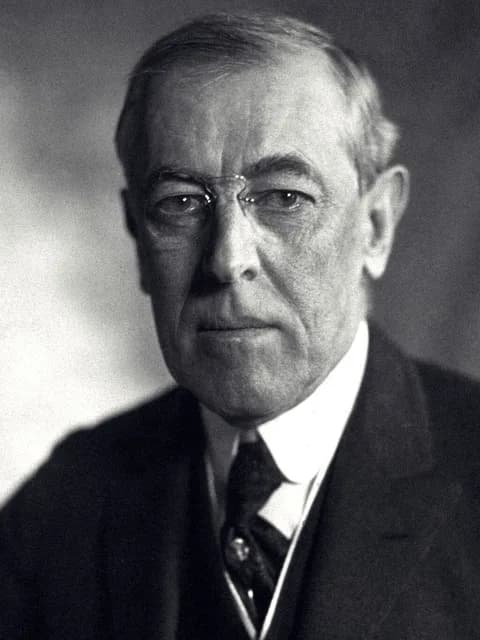
Twenty-eighth US president
Woodrow Wilson’s political views
The twenty-eighth president, who signed the Federal Reserve Act, the Clayton Act and the Underwood Tariff, took the United States into the First World War and campaigned for the League of Nations.
- Presidency
- 28th, 1913–1921
- Party
- Democratic
- Lived
- 1856–1924
- Scored on
- 9 of 12 axes
Strongest documented leanings
- Security88%
- Internationalism85%
- Planned78%
Where Wilson stood on the twelve axes
Each bar is one axis, between its two poles. Only axes with a documented position are scored; the others are shown as faint stubs on the icon and listed below, never as neutral.
Based on his record from 1913 to 1921. His reinforcement of segregation in federal agencies and the Espionage and Sedition Acts are scored alongside his reforms and his internationalism.
- Democratic vs AutocraticDemocratic 52%DemocraticAutocratic
Endorsed a national right to vote in a January 1918 speech to Congress, yet his administration prosecuted opponents of the war under the Espionage and Sedition Acts.
- Security vs FreedomSecurity 88%SecurityFreedom
Signed the Espionage Act on 15 June 1917 and, in 1918, the Sedition Act, which made it a crime to use disloyal or abusive language about the government, the flag or the armed forces.
- Nationalism vs InternationalismInternationalism 85%NationalismInternationalism
Set out the Fourteen Points in early 1918, ending with a general association of nations, and campaigned for the League of Nations; the Treaty of Versailles failed in the Senate after his stroke in October 1919.
- Militarist vs PacifistMilitarist 60%MilitaristPacifist
Won re-election in 1916 as the president who kept the country out of the war, then asked Congress for war in April 1917; his administration also occupied Haiti from 1915 and the Dominican Republic from 1916.
- Assimilationist vs MulticulturalistAssimilationist 70%AssimilationistMulticulturalist
His administration reinforced segregation in federal agencies, yet he vetoed the Immigration Act of 1917 for its literacy test, which Congress overrode.
- Collectivize vs PrivatizeCollectivize 68%CollectivizePrivatize
Signed the Revenue Act of 1913, which created a federal income tax, and the Federal Reserve Act on 23 December 1913; in 1917 the federal government took over the railroads.
- Planned vs Laissez-fairePlanned 78%PlannedLaissez-faire
Signed the Federal Trade Commission Act in September 1914 and the Clayton Antitrust Act a month later, and set up the War Industries Board after entering the war in 1917.
- Isolationism vs GlobalismGlobalism 75%IsolationismGlobalism
Signed the Underwood Tariff on 3 October 1913, which cut the average import tariff from 40% to 26%.
- Progressive vs TraditionalProgressive 60%ProgressiveTraditional
Signed the Keating–Owen Child Labor Act and the Adamson Act in 1916, which banned interstate sales of goods made by child labour and set an eight-hour day on the railroads, but his administration reinforced segregation in government agencies.
No documented position, so not scored: Federal vs Unitary, Irreligious vs Religious, and Acceleration vs Bioconservative.
What shaped the scores
Dated actions from the record. Each is tied to the axis it informs.
Wilson signs the Revenue Act of 1913, the Underwood Tariff, which cuts the average tariff from 40% to 26% and adds a federal income tax.
Isolationism vs Globalism
Presidency of Woodrow Wilson · WikipediaHe signs the Federal Reserve Act, which creates the Federal Reserve System of twelve regional banks.
Collectivize vs Privatize
Federal Reserve Act · WikipediaHe signs the Federal Trade Commission Act and, a month later, the Clayton Antitrust Act.
Planned vs Laissez-faire
Presidency of Woodrow Wilson · WikipediaCongress declares war on Germany at Wilson’s request, a year after his campaign as the president who kept the country out of war.
Militarist vs Pacifist
Presidency of Woodrow Wilson · WikipediaHe signs the Espionage Act, extended by the Sedition Act in 1918.
Security vs Freedom
Espionage Act of 1917 · WikipediaHe sets out the Fourteen Points and, in a speech to Congress, endorses a national right to vote for the first time.
Nationalism vs Internationalism
Presidency of Woodrow Wilson · Wikipedia
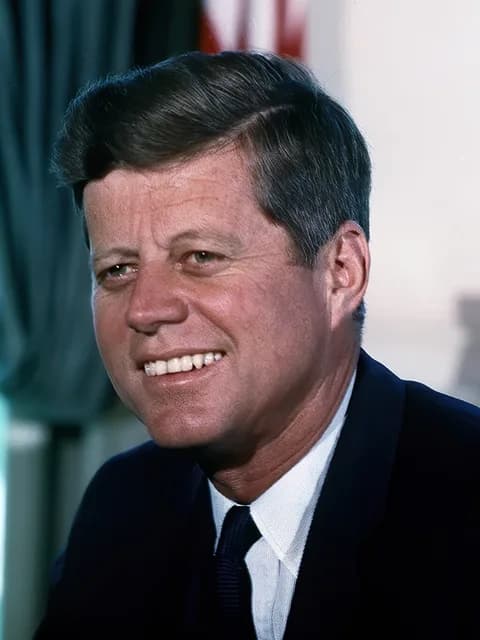
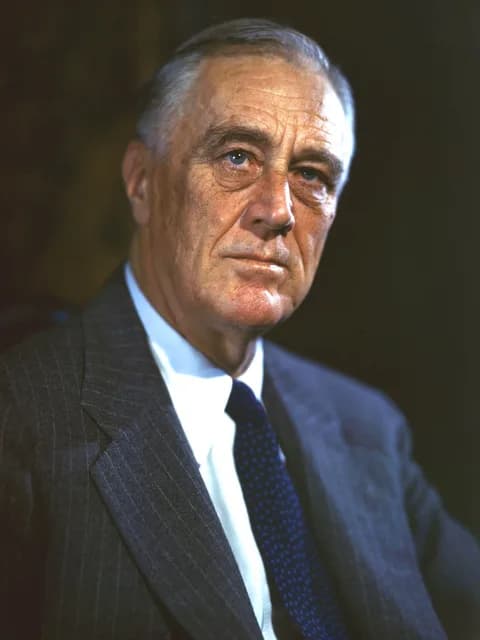
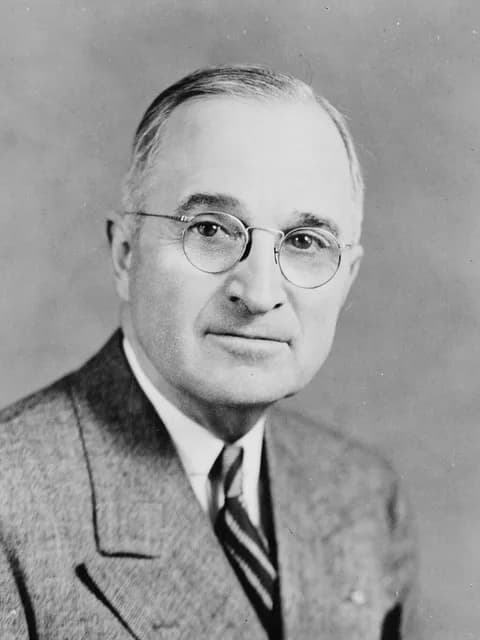
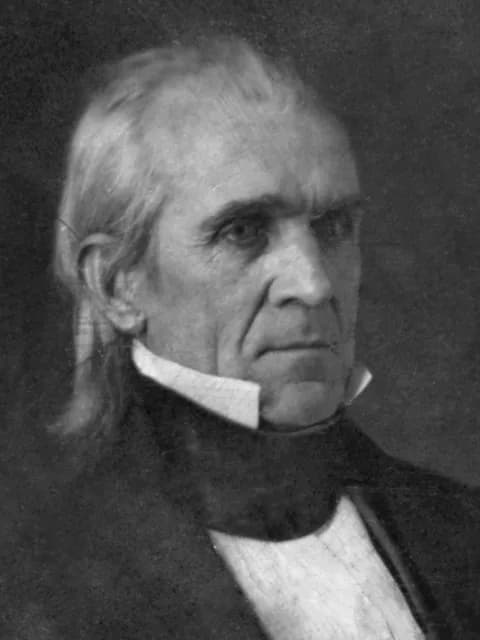
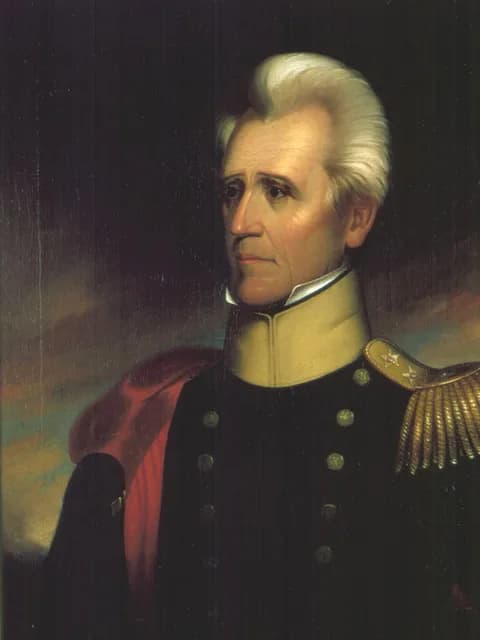
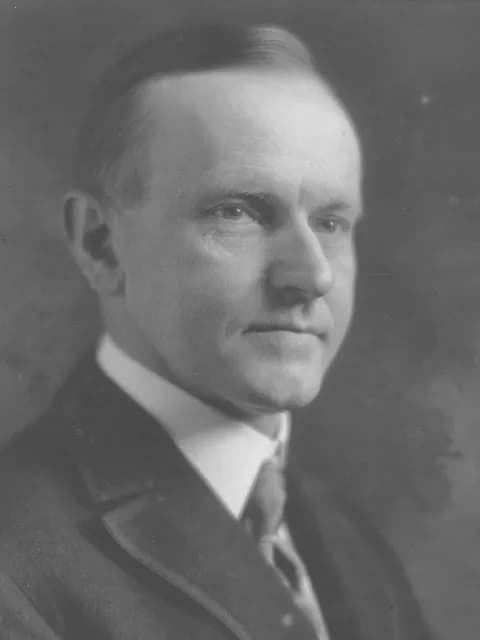
Wilson compared with other presidents
Measured on the axes both presidents are scored on, with the same rules as the quiz.
Questions about Woodrow Wilson’s politics
Something else on your mind? Get in touch
Sources and credits
Main source: Fourteen Points · The Avalon Project
Also read
Portrait: Harris & Ewing, 1919 · Public domain
Scores are editorial estimates from the public record, not measurements. A place on this site is not praise.
Keep exploring
- All presidents in the quizTake the test and see which president you are closest to.
- William Howard TaftThe president before Wilson in our list.
- Calvin CoolidgeThe president after Wilson in our list.
- United StatesWhere the United States sits on the twelve axes.
- MethodologyHow the axes, the scoring and the matching work.
How close are you to Wilson?
Take the test and see how your twelve scores compare, axis by axis.