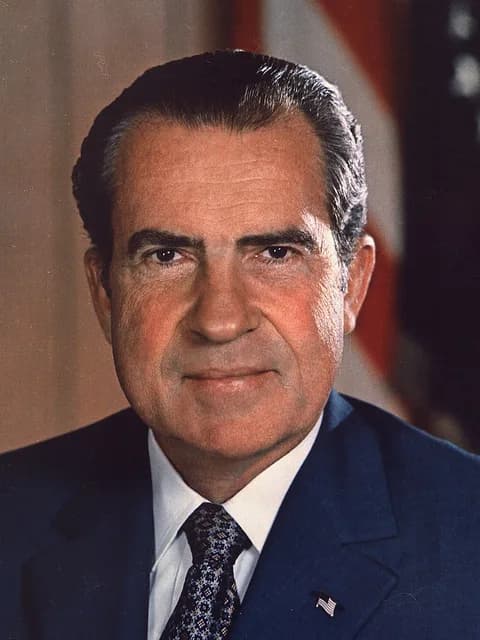
Thirty-seventh US president
Richard Nixon’s political views
The thirty-seventh president, who opened relations with China, signed the SALT I agreement, created the Environmental Protection Agency, froze wages and prices, ended the draft and resigned during the Watergate scandal.
- Presidency
- 37th, 1969–1974
- Party
- Republican
- Lived
- 1913–1994
- Scored on
- 10 of 12 axes
Where Nixon stood on the twelve axes
Each bar is one axis, between its two poles. Only axes with a documented position are scored; the others are shown as faint stubs on the icon and listed below, never as neutral.
Based on his record from 1969 to 1974. Watergate and his impoundment of funds weigh on the democratic axis; his domestic regulation and his détente with the Soviet Union weigh against his reputation for hard-line politics.
- Federal vs UnitaryFederal 60%FederalUnitary
Signed general revenue sharing in October 1972, which sent federal money to states and cities with few conditions.
- Democratic vs AutocraticAutocratic 70%DemocraticAutocratic
Ordered the firing of the special prosecutor in the Saturday Night Massacre of 20 October 1973, impounded funds that Congress had appropriated and resigned on 9 August 1974.
- Security vs FreedomSecurity 78%SecurityFreedom
Sought a court order against publication of the Pentagon Papers in June 1971, and the Watergate break-in and cover-up brought down his presidency.
- Nationalism vs InternationalismInternationalism 62%NationalismInternationalism
Visited China in February 1972 and signed the SALT I agreement and the Anti-Ballistic Missile Treaty with the Soviet Union on 26 May 1972.
- Militarist vs PacifistMilitarist 60%MilitaristPacifist
Sent troops into Cambodia on 30 April 1970, then withdrew the last American soldiers from Vietnam in 1973 and ended the draft that year.
- Assimilationist vs MulticulturalistMulticulturalist 50%AssimilationistMulticulturalist
His Philadelphia Plan required government contractors in Philadelphia to hire a minimum number of minority workers, and in July 1970 he asked Congress to support Native American self-determination.
- Planned vs Laissez-fairePlanned 75%PlannedLaissez-faire
Announced a 90-day wage and price freeze on 15 August 1971 and, in 1970, established the Environmental Protection Agency and signed the Clean Air Act.
- Isolationism vs GlobalismIsolationism 62%IsolationismGlobalism
On 15 August 1971 suspended the dollar’s convertibility into gold and imposed a 10% import surcharge, which was dropped after the Smithsonian agreement of December 1971.
- Progressive vs TraditionalTraditional 62%ProgressiveTraditional
In March 1972 called for a moratorium on new court-ordered busing, opposing what he called forced integration of housing and education.
- Acceleration vs BioconservativeAcceleration 70%AccelerationBioconservative
Signed the National Cancer Act on 23 December 1971, which launched the federal war on cancer.
No documented position, so not scored: Collectivize vs Privatize and Irreligious vs Religious.
What shaped the scores
Dated actions from the record. Each is tied to the axis it informs.
Nixon announces that American and South Vietnamese troops are entering Cambodia.
Militarist vs Pacifist
Presidency of Richard Nixon · WikipediaHe establishes the Environmental Protection Agency and signs the Clean Air Act.
Planned vs Laissez-faire
Presidency of Richard Nixon · WikipediaHe announces a 90-day wage and price freeze, a 10% import surcharge and the end of dollar–gold convertibility.
Isolationism vs Globalism
Nixon shock · WikipediaHe visits China.
Nationalism vs Internationalism
Presidency of Richard Nixon · WikipediaSpecial prosecutor Archibald Cox is dismissed in the Saturday Night Massacre; Attorney General Richardson and his deputy resign rather than do it.
Democratic vs Autocratic
Saturday Night Massacre · WikipediaNixon resigns the presidency.
Democratic vs Autocratic
Presidency of Richard Nixon · Wikipedia
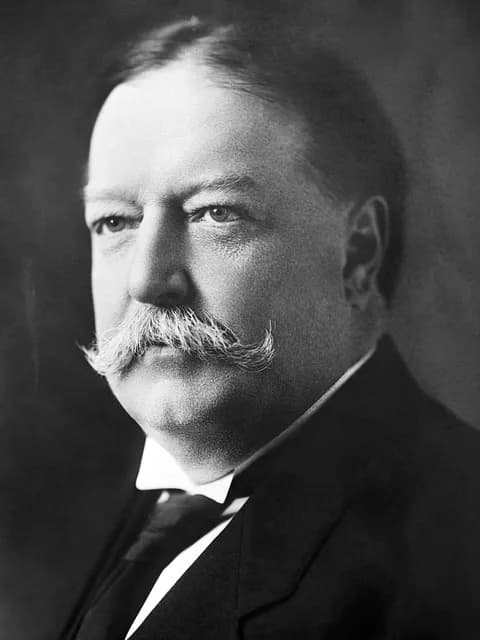
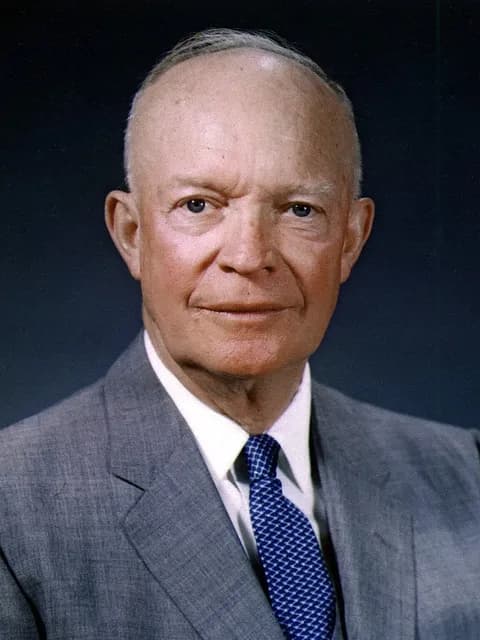
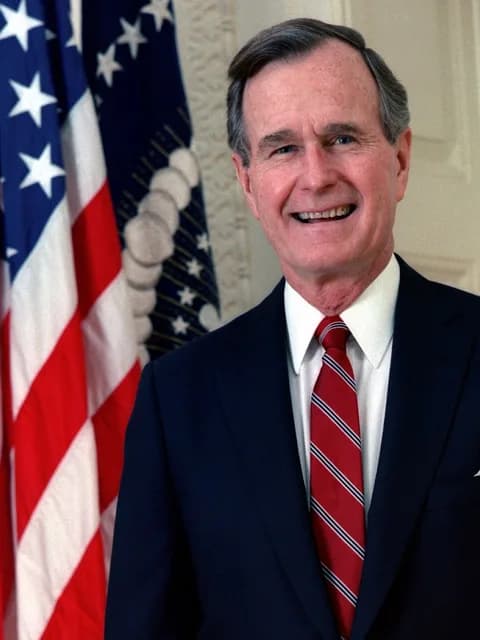
Nixon compared with other presidents
Measured on the axes both presidents are scored on, with the same rules as the quiz.
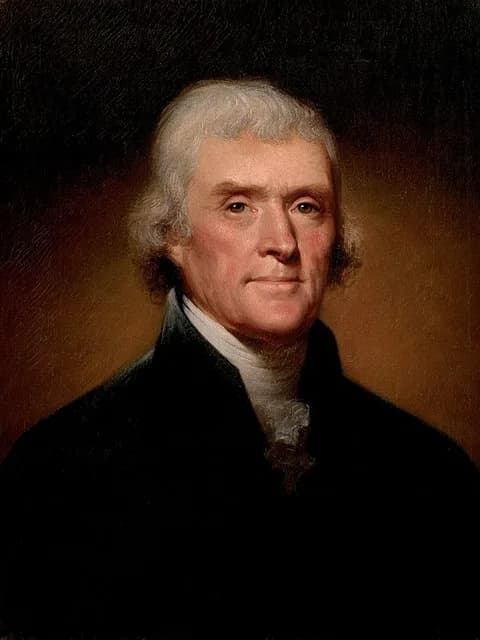
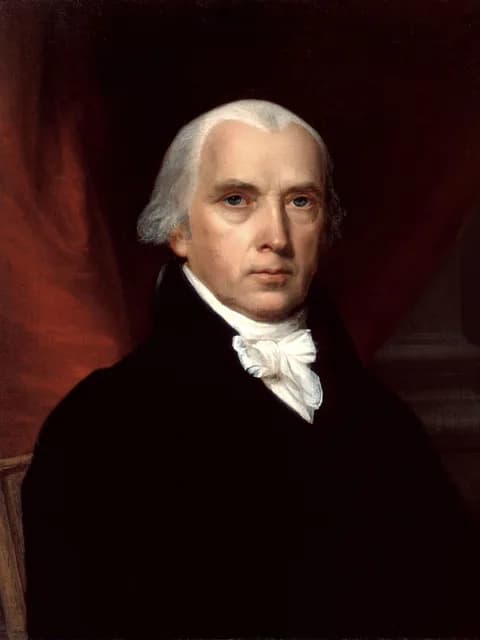
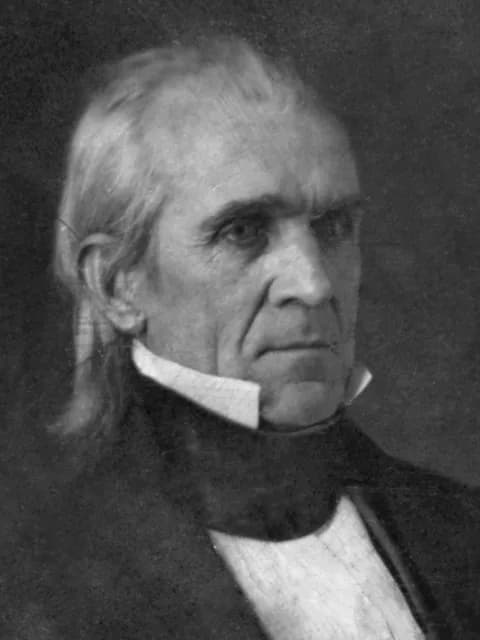
Questions about Richard Nixon’s politics
Something else on your mind? Get in touch
Sources and credits
Main source: First Inaugural Address of Richard Nixon · The Avalon Project
Also read
Portrait: US Department of the Army, 1972 · Public domain
Scores are editorial estimates from the public record, not measurements. A place on this site is not praise.
Keep exploring
- All presidents in the quizTake the test and see which president you are closest to.
- Lyndon B. JohnsonThe president before Nixon in our list.
- Jimmy CarterThe president after Nixon in our list.
- United StatesWhere the United States sits on the twelve axes.
- MethodologyHow the axes, the scoring and the matching work.
How close are you to Nixon?
Take the test and see how your twelve scores compare, axis by axis.