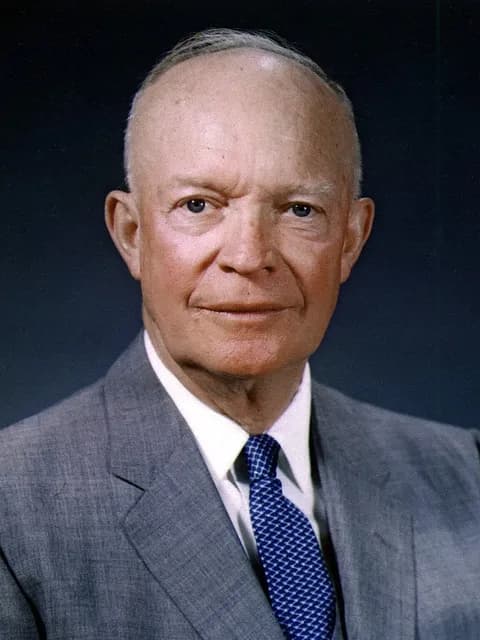
Thirty-fourth US president
Dwight D. Eisenhower’s political views
The thirty-fourth president, who ended the Korean War, signed the law that built the Interstate highways and the first civil rights bill since Reconstruction, and warned of the military-industrial complex.
- Presidency
- 34th, 1953–1961
- Party
- Republican
- Lived
- 1890–1969
- Scored on
- 8 of 12 axes
Strongest documented leanings
- Acceleration75%
- Unitary72%
- Religious72%
Where Eisenhower stood on the twelve axes
Each bar is one axis, between its two poles. Only axes with a documented position are scored; the others are shown as faint stubs on the icon and listed below, never as neutral.
Based on his record from 1953 to 1961. His security-risk order and the Civil Rights Act of 1957 point in opposite directions, so the freedom axis sits near the middle.
- Federal vs UnitaryUnitary 72%FederalUnitary
Signed the Federal-Aid Highway Act on 29 June 1956, with the federal government paying 90% of the cost of the Interstate system, and sent 1,000 paratroopers of the 101st Airborne to Little Rock on 24 September 1957.
- Security vs FreedomSecurity 55%SecurityFreedom
Executive Order 10450 of 27 April 1953 made security risk a ground for dismissing federal employees, while he signed the Civil Rights Act of 9 September 1957, the first since Reconstruction.
- Nationalism vs InternationalismInternationalism 65%NationalismInternationalism
Pressed Britain, France and Israel to withdraw from Egypt during the 1956 Suez crisis, and proposed “Atoms for Peace” in December 1953.
- Militarist vs PacifistMilitarist 58%MilitaristPacifist
Ended the Korean War with the armistice of 27 July 1953 and warned in his farewell address of 17 January 1961 about the military-industrial complex, yet approved CIA-backed coups in Iran in 1953 and Guatemala in 1954.
- Assimilationist vs MulticulturalistMulticulturalist 50%AssimilationistMulticulturalist
His administration ran Operation Wetback, the 1954 drive against undocumented Mexican immigrants, and he signed the Civil Rights Act of 1957.
- Collectivize vs PrivatizeCollectivize 60%CollectivizePrivatize
Expanded Social Security to millions more Americans in the 1950s and signed the Federal-Aid Highway Act of 1956, which built the Interstate system from a federal Highway Trust Fund.
- Irreligious vs ReligiousReligious 72%IrreligiousReligious
Signed the law adding “under God” to the Pledge of Allegiance on 14 June 1954, and the law making “In God We Trust” the national motto in July 1956.
- Acceleration vs BioconservativeAcceleration 75%AccelerationBioconservative
Signed the law creating NASA on 29 July 1958, after the Soviet launch of Sputnik.
No documented position, so not scored: Democratic vs Autocratic, Planned vs Laissez-faire, Isolationism vs Globalism, and Progressive vs Traditional.
What shaped the scores
Dated actions from the record. Each is tied to the axis it informs.
The armistice that ends fighting in Korea is signed.
Militarist vs Pacifist
Presidency of Dwight D. Eisenhower · WikipediaEisenhower signs Executive Order 10450, which replaces Truman’s loyalty program with security-risk reviews of all federal employees.
Security vs Freedom
Executive Order 10450 · WikipediaHe signs the law adding “under God” to the Pledge of Allegiance on Flag Day.
Irreligious vs Religious
Presidency of Dwight D. Eisenhower · WikipediaHe signs the Federal-Aid Highway Act, authorising 41,000 miles of Interstate highways and creating the Highway Trust Fund.
Federal vs Unitary
Federal Aid Highway Act of 1956 · WikipediaHe orders the 101st Airborne to Little Rock to enforce school integration.
Federal vs Unitary
Presidency of Dwight D. Eisenhower · WikipediaIn his farewell address he warns of “unwarranted influence” by the military-industrial complex.
Militarist vs Pacifist
Dwight D. Eisenhower's farewell address · Wikipedia
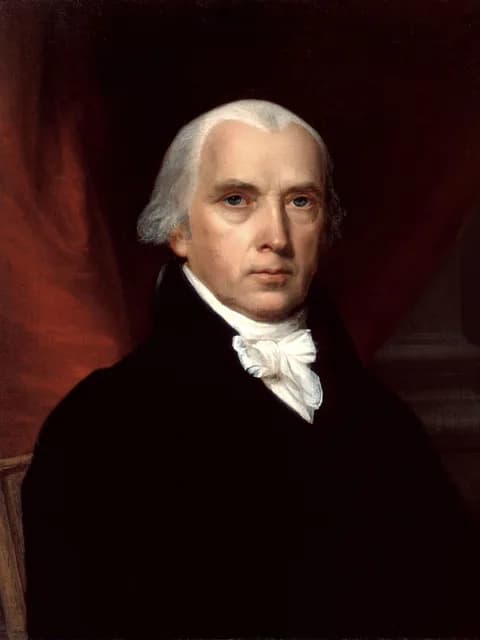
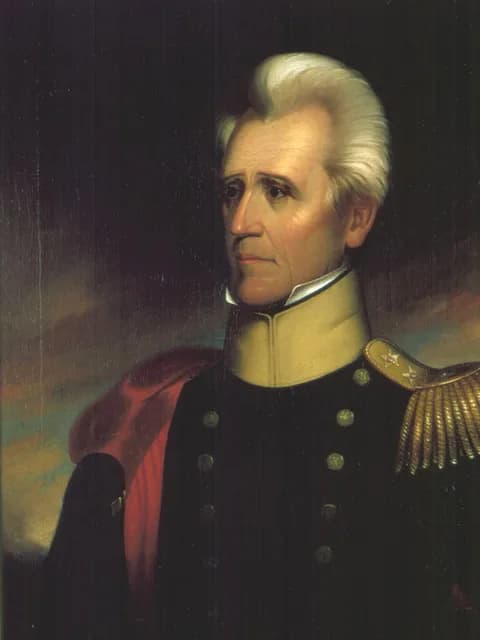
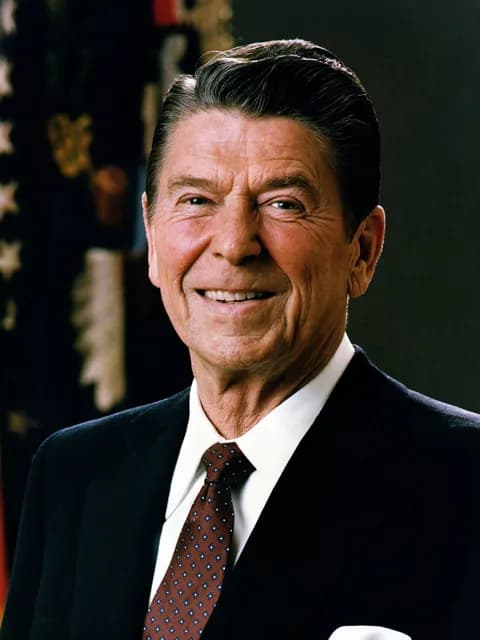
Eisenhower compared with other presidents
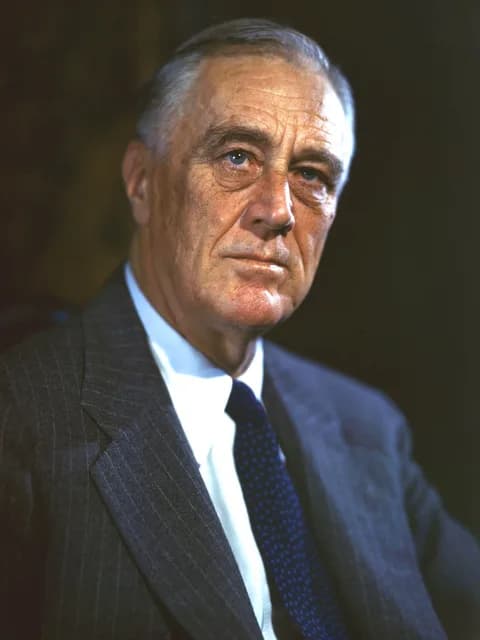
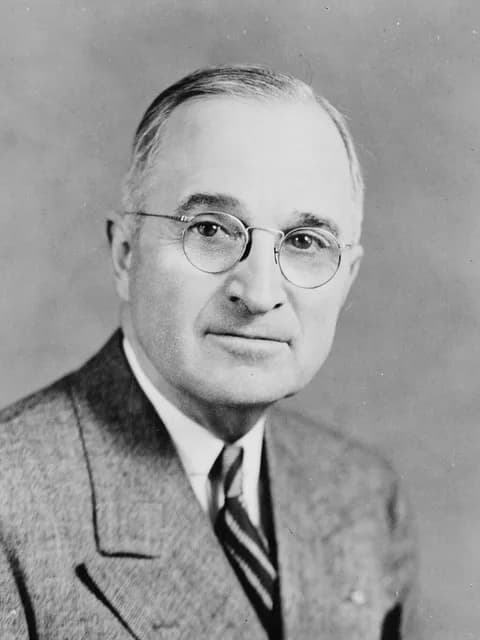
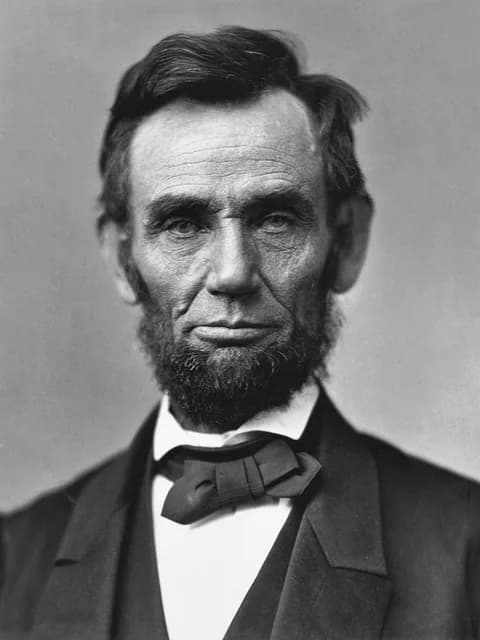
Measured on the axes both presidents are scored on, with the same rules as the quiz.
Questions about Dwight D. Eisenhower’s politics
Something else on your mind? Get in touch
Sources and credits
Main source: Farewell Address · The Avalon Project
Also read
Portrait: White House, 1959 · Public domain
Scores are editorial estimates from the public record, not measurements. A place on this site is not praise.
Keep exploring
- All presidents in the quizTake the test and see which president you are closest to.
- Harry S. TrumanThe president before Eisenhower in our list.
- John F. KennedyThe president after Eisenhower in our list.
- United StatesWhere the United States sits on the twelve axes.
- MethodologyHow the axes, the scoring and the matching work.
How close are you to Eisenhower?
Take the test and see how your twelve scores compare, axis by axis.