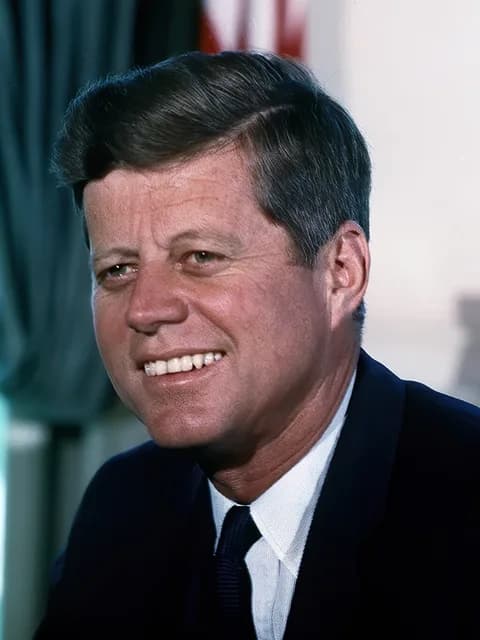
Thirty-fifth US president
John F. Kennedy’s political views
The thirty-fifth president, who created the Peace Corps, set the goal of landing a man on the Moon, signed the Trade Expansion Act, faced the Cuban Missile Crisis and proposed the bill that became the Civil Rights Act of 1964.
- Presidency
- 35th, 1961–1963
- Party
- Democratic
- Lived
- 1917–1963
- Scored on
- 7 of 12 axes
Strongest documented leanings
- Globalism85%
- Acceleration85%
- Internationalism75%
Where Kennedy stood on the twelve axes
Each bar is one axis, between its two poles. Only axes with a documented position are scored; the others are shown as faint stubs on the icon and listed below, never as neutral.
Based on his record from 1961 until his assassination in November 1963. Several of his proposals, such as the tax cut and the civil rights bill, became law only after his death.
- Federal vs UnitaryUnitary 68%FederalUnitary
Proposed a major civil rights bill in a television address on 11 June 1963 that became the Civil Rights Act of 1964.
- Nationalism vs InternationalismInternationalism 75%NationalismInternationalism
Created the Peace Corps by executive order on 1 March 1961, and the United States signed the Limited Test Ban Treaty in Moscow on 5 August 1963.
- Militarist vs PacifistMilitarist 62%MilitaristPacifist
Went ahead with the CIA-planned Bay of Pigs landing on 17 April 1961, announced a naval blockade of Cuba on 22 October 1962 and raised the number of military advisers in South Vietnam eighteenfold.
- Collectivize vs PrivatizeCollectivize 60%CollectivizePrivatize
Proposed medical care for the aged, which Congress blocked, and a tax cut that became the Revenue Act of 1964.
- Isolationism vs GlobalismGlobalism 85%IsolationismGlobalism
Signed the Trade Expansion Act on 11 October 1962, which let him cut tariffs by up to 50% and paved the way for the Kennedy Round.
- Irreligious vs ReligiousIrreligious 70%IrreligiousReligious
In his speech to Houston ministers on 12 September 1960 he said he believed in an America where the separation of church and state is absolute.
- Acceleration vs BioconservativeAcceleration 85%AccelerationBioconservative
On 25 May 1961 asked Congress to commit the nation to landing a man on the Moon and returning him safely before the decade was out.
No documented position, so not scored: Democratic vs Autocratic, Security vs Freedom, Assimilationist vs Multiculturalist, Planned vs Laissez-faire, and Progressive vs Traditional.
What shaped the scores
Dated actions from the record. Each is tied to the axis it informs.
As a candidate he tells Houston ministers that he believes in an America where church and state are strictly separate.
Irreligious vs Religious
John F. Kennedy · WikipediaKennedy signs the executive order that starts the Peace Corps.
Nationalism vs Internationalism
Presidency of John F. Kennedy · WikipediaBrigade 2506 lands at the Bay of Pigs, after CIA-supplied bombers strike on 15 April.
Militarist vs Pacifist
Presidency of John F. Kennedy · WikipediaHe asks Congress to commit to landing a man on the Moon before the end of the decade.
Acceleration vs Bioconservative
Presidency of John F. Kennedy · WikipediaHe signs the Trade Expansion Act, giving him authority to cut tariffs by up to 50%.
Isolationism vs Globalism
Trade Expansion Act · WikipediaHe asks Congress for a civil rights act in a television address from the Oval Office.
Federal vs Unitary
Presidency of John F. Kennedy · Wikipedia
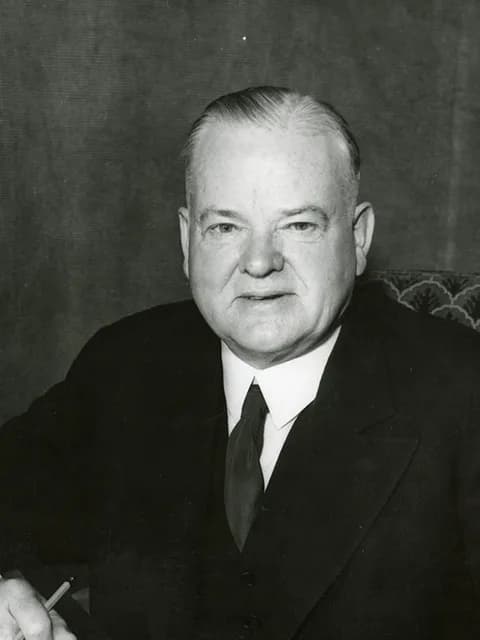
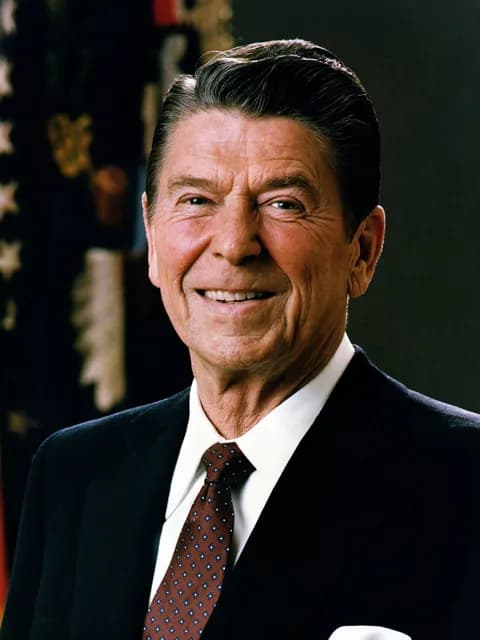
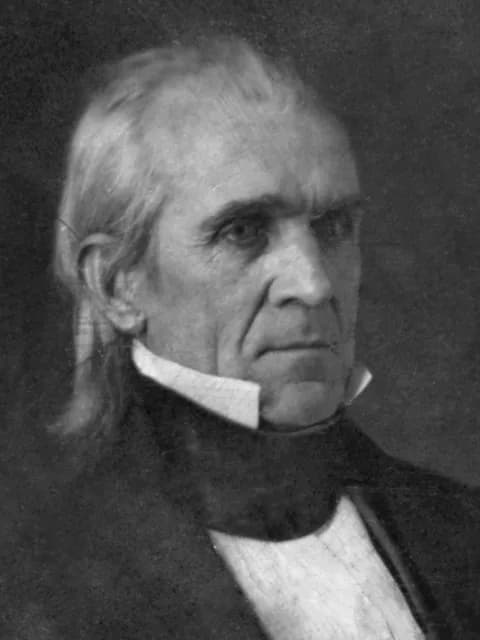
Kennedy compared with other presidents
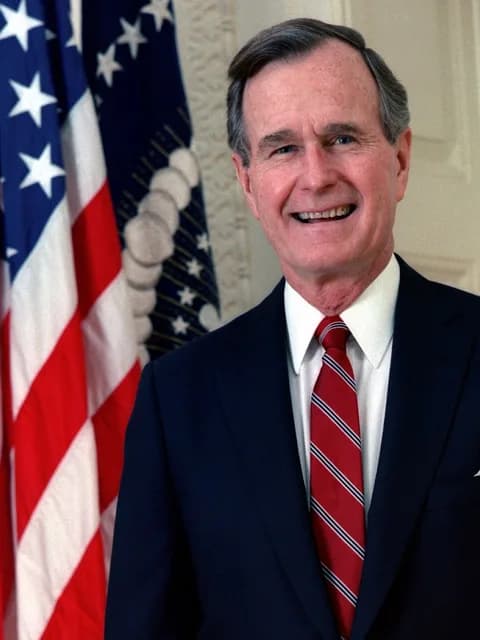
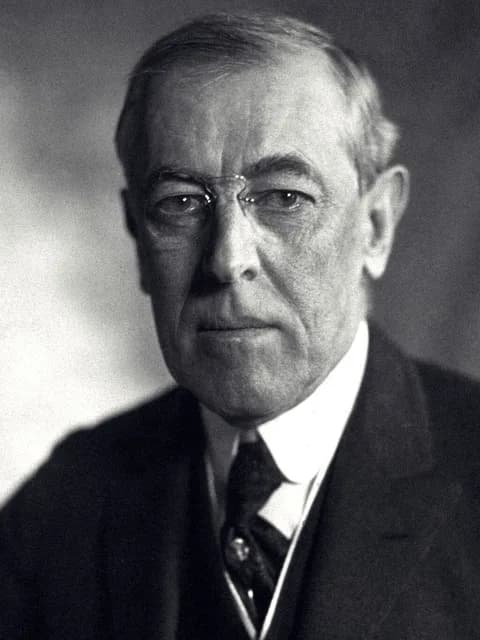
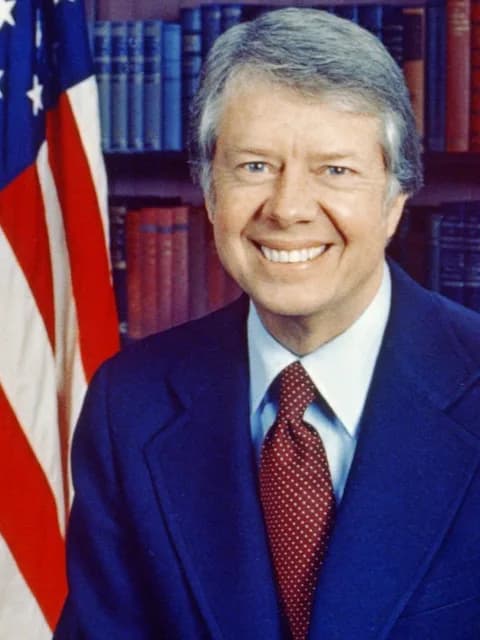
Measured on the axes both presidents are scored on, with the same rules as the quiz.
Questions about John F. Kennedy’s politics
Something else on your mind? Get in touch
Sources and credits
Main source: Inaugural Address of John F. Kennedy · The Avalon Project
Also read
Portrait: Cecil W. Stoughton, 1963 · Public domain
Scores are editorial estimates from the public record, not measurements. A place on this site is not praise.
Keep exploring
- All presidents in the quizTake the test and see which president you are closest to.
- Dwight D. EisenhowerThe president before Kennedy in our list.
- Lyndon B. JohnsonThe president after Kennedy in our list.
- United StatesWhere the United States sits on the twelve axes.
- MethodologyHow the axes, the scoring and the matching work.
How close are you to Kennedy?
Take the test and see how your twelve scores compare, axis by axis.