Skip to content
12 Axes Test

Christian Democracy

Christian democracy applies Christian social teaching to politics, combining democratic government and a social market economy with traditional family and community values.

Family: Conservative and nationalistMontesquieuHenry GeorgeIsaiah BerlinKey thinkers:Montesquieu, Henry George, Isaiah Berlin

How close are you to Christian Democracy?

Take the test and your match with Christian Democracy shows up here. It is worked out in your browser and never sent anywhere.

Your alignment--%
Agree onTop 3 axes
Differ onKey gaps

What is Christian Democracy?

Christian democratic parties have been major forces in Germany, Italy, the Netherlands and elsewhere in Europe. They support a market economy with a social safety net, European integration and a role for family, churches and civil society.

They differ from secular conservatives in their emphasis on social solidarity and on subsidiarity: the idea that decisions should be made at the lowest practical level.

What are the core ideas of Christian Democracy?

The ideas that most people in this tradition would sign up to.

  • Human dignity and the common good
  • Subsidiarity: decisions at the lowest practical level
  • A social market economy
  • Support for the family and civil society
  • European integration

Where does Christian Democracy come from?

It emerged in 19th-century Europe in response to Catholic social teaching, such as the encyclical Rerum Novarum (1891), and became politically dominant in several countries after 1945.

Which historical thinkers are closest to Christian Democracy?

Thinkers whose documented positions on the 12 axes align most closely with this ideology.

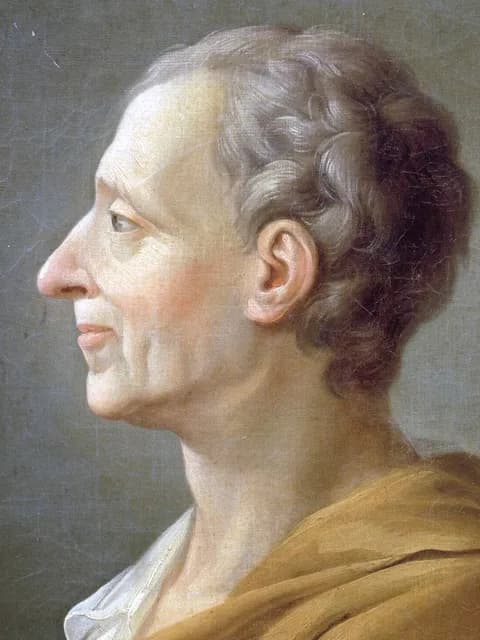
Montesquieu

Montesquieu

French political theorist · 1689–1755

A French jurist whose Spirit of the Laws compared forms of government and argued that liberty is safest where power is divided among separate institutions.

Closest aligned axisSecurity vs Freedom

“Liberty is the right to do what the laws permit, free from arbitrary state fear.”

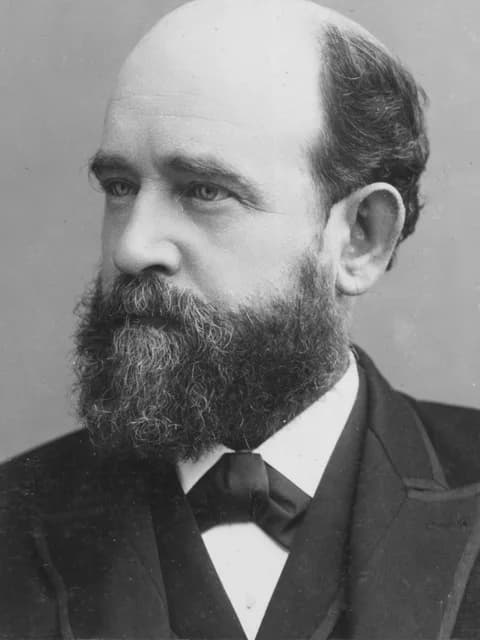
Henry George

Henry George

American political economist · 1839–1897

An American writer whose Progress and Poverty held that the rent of land belongs to the community, and who proposed a single tax on land values in place of other taxes.

Closest aligned axisDemocratic vs Autocratic

“Radical civic democracy and equal economic rights for all working people.”

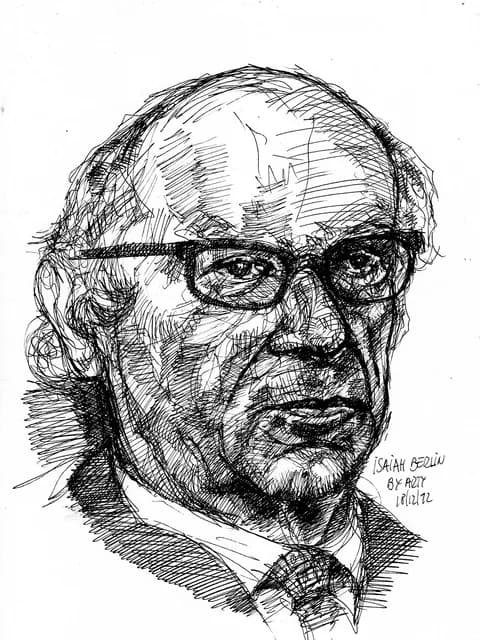
Isaiah Berlin

Isaiah Berlin

Oxford political theorist · 1909–1997

A Riga-born Oxford scholar who distinguished negative from positive liberty and argued that human values are plural and can conflict without any master ranking.

Closest aligned axisMilitarist vs Pacifist

“Sceptical of ideological crusades, but a committed Cold War anti-communist who accepted deterrence.”

Where does Christian Democracy sit on the 12 axes?

These are its strongest leanings, followed by all twelve axes. They describe the typical version of the tradition.

Strongest leanings

Governmental

Federal vs Unitary
Federal 55%45% Unitary
Democratic vs Autocratic
Democratic 90%10% Autocratic
Security vs Freedom
Security 32%68% Freedom

Diplomatic

Nationalism vs Internationalism
Nationalism 40%60% Internationalism
Militarist vs Pacifist
Militarist 40%60% Pacifist
Assimilationist vs Multiculturalist
Assimilationist 55%45% Multiculturalist

Economic

Collectivize vs Privatize
Collectivize 52%48% Privatize
Planned vs Laissez-faire
Planned 48%52% Laissez-faire
Isolationism vs Globalism
Isolationism 30%70% Globalism

Societal

Irreligious vs Religious
Irreligious 28%72% Religious
Progressive vs Traditional
Progressive 30%70% Traditional
Acceleration vs Bioconservative
Acceleration 35%65% Bioconservative

Editorial estimates for comparison and discussion. Real people and parties in this tradition vary.

Which countries are closest to Christian Democracy?

Countries whose estimated profile is most like this ideology. No country follows a single ideology, so read this as a comparison, not a label.

What are the main criticisms of Christian Democracy?

Every tradition has critics. These are the objections most often raised.

  • Secular critics argue that it brings religious values into policy.
  • Others say it can be too cautious on social change.

Christian Democracy: frequently asked questions

Christian democracy applies Christian social teaching to politics, combining democratic government and a social market economy with traditional family and community values.

It depends on the question, because left and right mix several things. On the 12 axes, Christian Democracy sits closest to a mix of public and private on economics and to traditional values on social values.

By estimated profile, the closest are Italy, Namibia, and Malaysia. No country follows one ideology purely, so treat this as a comparison, not a label.

Secular critics argue that it brings religious values into policy. Others say it can be too cautious on social change.

Take the 12 axes test. It scores you on twelve axes and shows how closely your profile matches Christian Democracy and every other ideology on this site. The calculation happens in your browser.

Something else on your mind? Get in touch

Do you agree with Christian Democracy?

The test scores you on all twelve axes and ranks every ideology by how well it matches you.