Skip to content
12 Axes Test

Cosmopolitanism

Cosmopolitanism holds that all human beings belong to a single moral community, and that obligations to people do not stop at national borders.

How close are you to Cosmopolitanism?

Take the test and your match with Cosmopolitanism shows up here. It is worked out in your browser and never sent anywhere.

Your alignment--%
Agree onTop 3 axes
Differ onKey gaps

What is Cosmopolitanism?

Cosmopolitans favor international cooperation, human rights, open exchange and often more open borders. They argue that where a person is born should not decide their basic rights or opportunities.

The idea goes back to ancient Greek thinkers who called themselves “citizens of the world”, and was developed by Enlightenment philosophers such as Immanuel Kant.

What are the core ideas of Cosmopolitanism?

The ideas that most people in this tradition would sign up to.

  • Universal human rights
  • Moral concern that extends across borders
  • International institutions and cooperation
  • Openness to other cultures and to migration
  • Global solutions to global problems

Where does Cosmopolitanism come from?

The word comes from the Greek kosmopolitēs, “citizen of the world”, a phrase associated with Diogenes the Cynic.

Which historical thinkers are closest to Cosmopolitanism?

Thinkers whose documented positions on the 12 axes align most closely with this ideology.

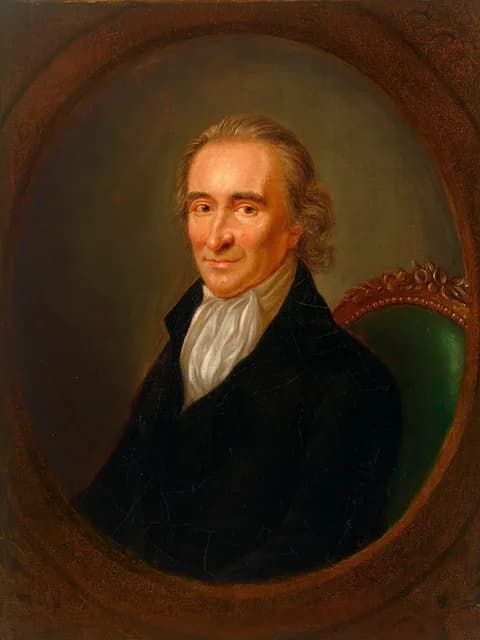
Thomas Paine

Thomas Paine

Pamphleteer & revolutionary · 1737–1809

An English-born pamphleteer whose Common Sense and Rights of Man argued for American independence, republican government and public provision for the poor, and whose Age of Reason attacked revealed religion.

Closest aligned axisDemocratic vs Autocratic

“Uncompromising advocate of universal suffrage, representative republic, and overthrow of hereditary rule.”
Rabindranath Tagore

Rabindranath Tagore

Poet & philosopher · 1861–1941

A Bengali poet and Nobel laureate who criticised nationalism, founded a school and university for open exchange, and renounced his knighthood after the 1919 Amritsar massacre.

Closest aligned axisMilitarist vs Pacifist

“Condemned militarist nationalism in Japan and the West in his 1916–17 lectures.”

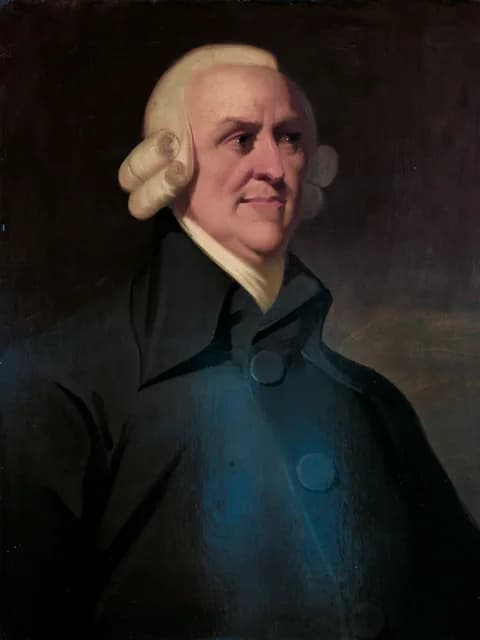
Adam Smith

Adam Smith

Scottish moral philosopher & economist · 1723–1790

A Scottish moral philosopher whose Wealth of Nations explained how specialisation and competition create wealth, and who criticised monopolies and trade restrictions.

“Machines and the division of labour are the source of wealth, though he warns that repetitive work can dull the worker’s mind.”

Where does Cosmopolitanism sit on the 12 axes?

These are its strongest leanings, followed by all twelve axes. They describe the typical version of the tradition.

Strongest leanings

Governmental

Federal vs Unitary
Federal 60%40% Unitary
Democratic vs Autocratic
Democratic 90%10% Autocratic
Security vs Freedom
Security 15%85% Freedom

Diplomatic

Nationalism vs Internationalism
Nationalism 5%95% Internationalism
Militarist vs Pacifist
Militarist 20%80% Pacifist
Assimilationist vs Multiculturalist
Assimilationist 10%90% Multiculturalist

Economic

Collectivize vs Privatize
Collectivize 45%55% Privatize
Planned vs Laissez-faire
Planned 45%55% Laissez-faire
Isolationism vs Globalism
Isolationism 8%92% Globalism

Societal

Irreligious vs Religious
Irreligious 78%22% Religious
Progressive vs Traditional
Progressive 82%18% Traditional
Acceleration vs Bioconservative
Acceleration 65%35% Bioconservative

Editorial estimates for comparison and discussion. Real people and parties in this tradition vary.

Which countries are closest to Cosmopolitanism?

Countries whose estimated profile is most like this ideology. No country follows a single ideology, so read this as a comparison, not a label.

What are the main criticisms of Cosmopolitanism?

Every tradition has critics. These are the objections most often raised.

  • Critics argue that democratic accountability works best within nations, and that attachment to place and community matters.
  • Others say it can ignore the interests of citizens who bear the costs of globalization.

Cosmopolitanism: frequently asked questions

Cosmopolitanism holds that all human beings belong to a single moral community, and that obligations to people do not stop at national borders.

It depends on the question, because left and right mix several things. On the 12 axes, Cosmopolitanism sits closest to a mix of public and private on economics and to faster social change on social values.

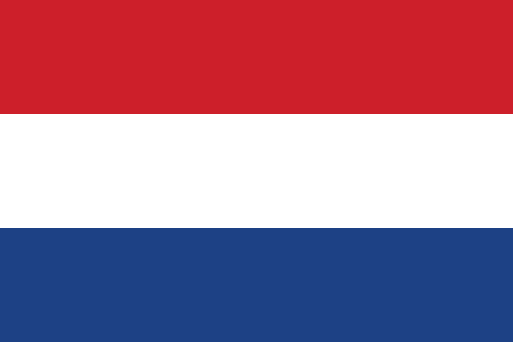
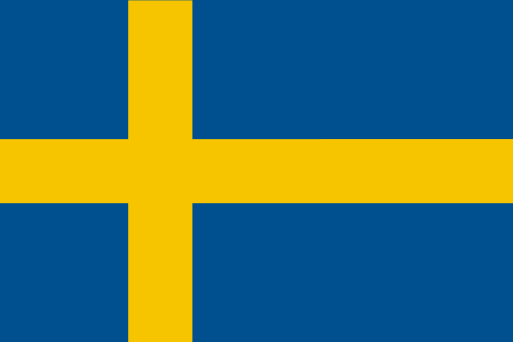
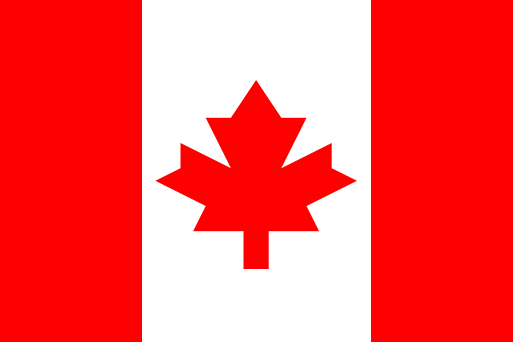
By estimated profile, the closest are Sweden, Canada, and Netherlands. No country follows one ideology purely, so treat this as a comparison, not a label.

Critics argue that democratic accountability works best within nations, and that attachment to place and community matters. Others say it can ignore the interests of citizens who bear the costs of globalization.

Take the 12 axes test. It scores you on twelve axes and shows how closely your profile matches Cosmopolitanism and every other ideology on this site. The calculation happens in your browser.

Something else on your mind? Get in touch

Do you agree with Cosmopolitanism?

The test scores you on all twelve axes and ranks every ideology by how well it matches you.