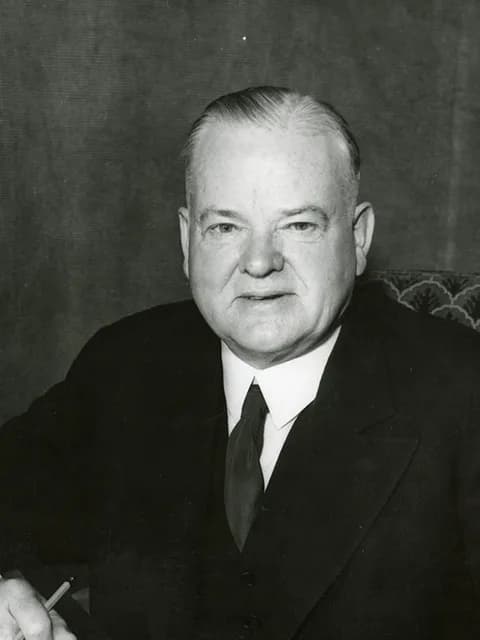
Thirty-first US president
Herbert Hoover’s political views
The thirty-first president, who signed the Smoot–Hawley Tariff, created the Reconstruction Finance Corporation, resisted direct federal relief and ordered the Bonus Army’s camp cleared.
- Presidency
- 31st, 1929–1933
- Party
- Republican
- Lived
- 1874–1964
- Scored on
- 7 of 12 axes
Strongest documented leanings
- Isolationism88%
- Assimilationist75%
- Security72%
Where Hoover stood on the twelve axes
Each bar is one axis, between its two poles. Only axes with a documented position are scored; the others are shown as faint stubs on the icon and listed below, never as neutral.
Based on his record from 1929 to 1933, during the first years of the Great Depression. His earlier work on famine relief is not scored.
- Security vs FreedomSecurity 72%SecurityFreedom
Ordered the Army to clear the Bonus Army’s camp in Washington in July 1932, where General MacArthur led infantry and cavalry supported by six tanks.
- Nationalism vs InternationalismInternationalism 55%NationalismInternationalism
Proposed the war-debt moratorium of 1931 and, with Secretary of State Stimson, set out the policy of not recognising Japan’s conquest of Manchuria.
- Militarist vs PacifistPacifist 72%MilitaristPacifist
Signed the London Naval Treaty in 1930, ended the occupation of Nicaragua and proposed a one-year halt to Allied war debt payments in 1931.
- Assimilationist vs MulticulturalistAssimilationist 75%AssimilationistMulticulturalist
In 1930 ordered that immigrants must have a job before arriving, and his administration oversaw the deportation and repatriation of Mexicans from 1930 to 1932.
- Collectivize vs PrivatizePrivatize 62%CollectivizePrivatize
Held that local governments and private giving should meet individuals’ needs and vetoed a bill for direct federal lending to individuals, though he signed the Emergency Relief and Construction Act in July 1932.
- Planned vs Laissez-fairePlanned 52%PlannedLaissez-faire
Created the Federal Farm Board in June 1929 and the Reconstruction Finance Corporation in January 1932, but relied on voluntary cooperation by business rather than federal direction; the record points both ways.
- Isolationism vs GlobalismIsolationism 88%IsolationismGlobalism
Signed the Smoot–Hawley Tariff in June 1930, which raised duties on over 20,000 imported goods, after more than a thousand economists petitioned him to veto it.
No documented position, so not scored: Federal vs Unitary, Democratic vs Autocratic, Irreligious vs Religious, Progressive vs Traditional, and Acceleration vs Bioconservative.
What shaped the scores
Dated actions from the record. Each is tied to the axis it informs.
Hoover signs the Agricultural Marketing Act, which creates the Federal Farm Board.
Planned vs Laissez-faire
Presidency of Herbert Hoover · WikipediaHe signs the Smoot–Hawley Tariff despite a petition from more than a thousand economists.
Isolationism vs Globalism
Smoot–Hawley Tariff Act · WikipediaThe United States signs the London Naval Treaty limiting warship tonnage.
Militarist vs Pacifist
Presidency of Herbert Hoover · WikipediaCongress creates the Reconstruction Finance Corporation at Hoover’s urging.
Planned vs Laissez-faire
Presidency of Herbert Hoover · WikipediaHe signs the Federal Home Loan Bank Act and the Emergency Relief and Construction Act.
Collectivize vs Privatize
Presidency of Herbert Hoover · WikipediaArmy troops under General MacArthur clear the Bonus Army’s camp in Washington.
Security vs Freedom
Bonus Army · Wikipedia
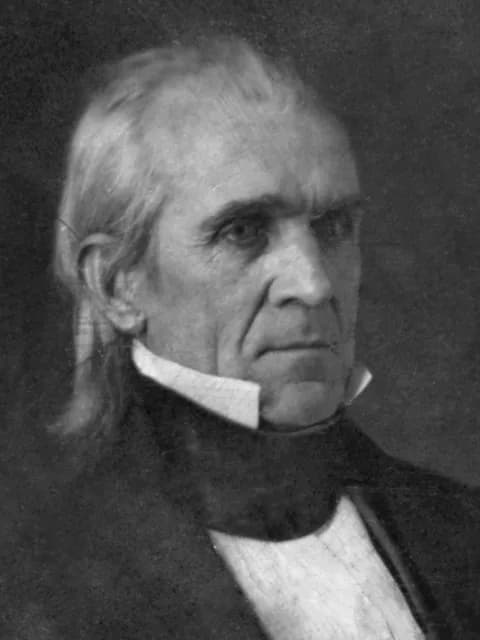
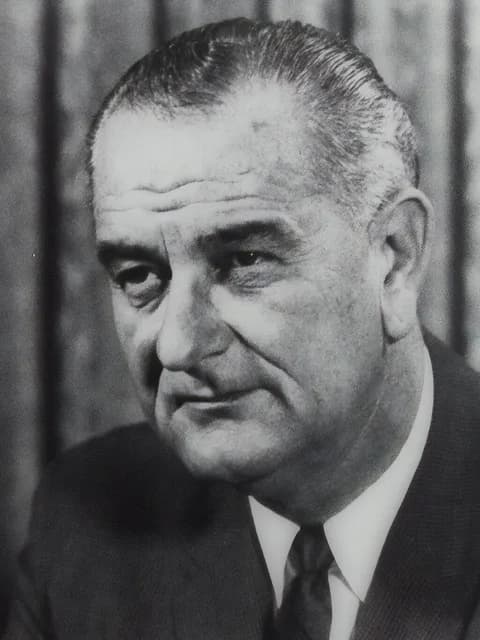
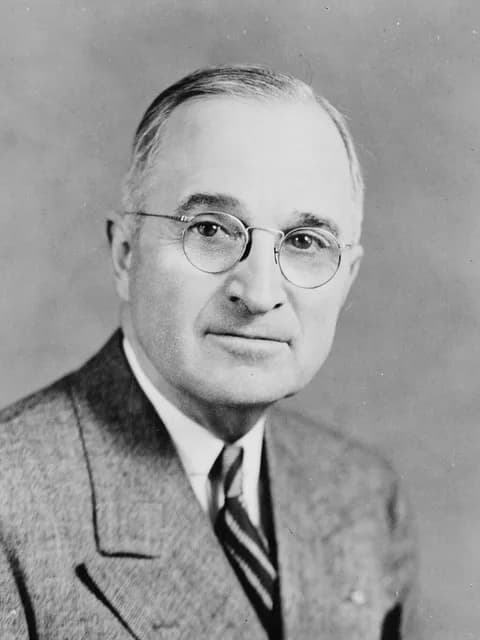
Hoover compared with other presidents
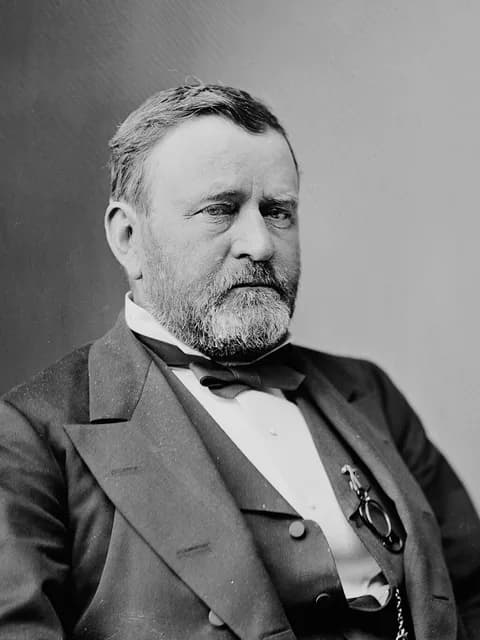
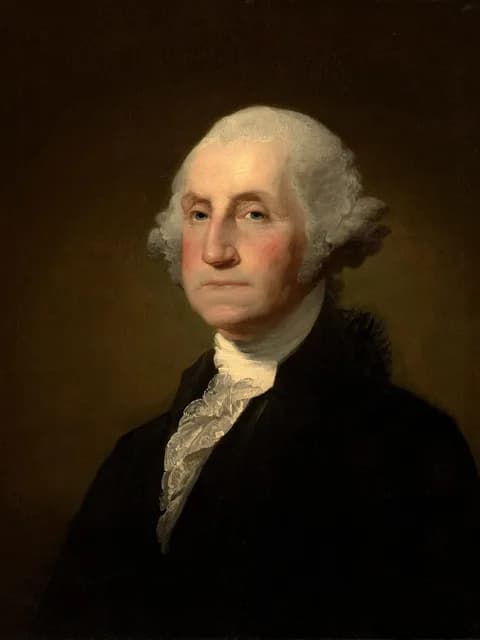
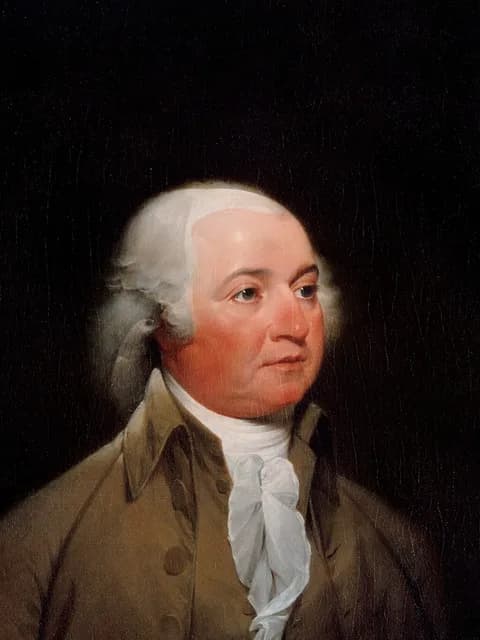
Measured on the axes both presidents are scored on, with the same rules as the quiz.
Questions about Herbert Hoover’s politics
Something else on your mind? Get in touch
Sources and credits
Main source: Inaugural Address of Herbert Hoover · The Avalon Project
Also read
Portrait: Herbert Hoover Presidential Library, c. 1935 · Public domain
Scores are editorial estimates from the public record, not measurements. A place on this site is not praise.
Keep exploring
- All presidents in the quizTake the test and see which president you are closest to.
- Calvin CoolidgeThe president before Hoover in our list.
- Franklin D. RooseveltThe president after Hoover in our list.
- United StatesWhere the United States sits on the twelve axes.
- MethodologyHow the axes, the scoring and the matching work.
How close are you to Hoover?
Take the test and see how your twelve scores compare, axis by axis.