
Skip to content
12 Axes Test

Fascism

Fascism is an authoritarian, ultranationalist ideology that emerged in early 20th-century Europe, glorifying the nation and a single leader, rejecting liberal democracy and using violence and propaganda to suppress opposition.

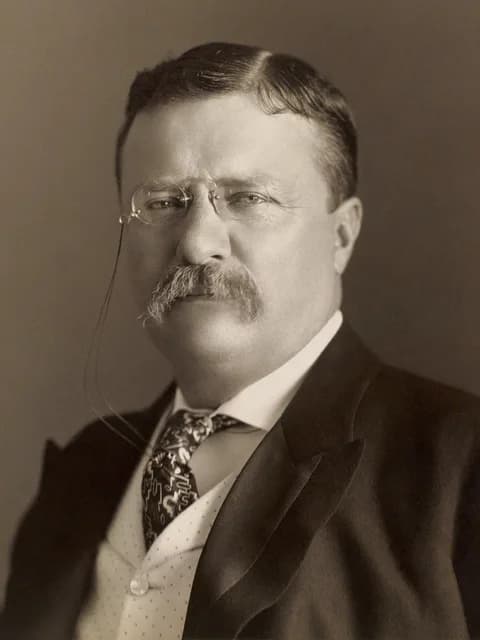
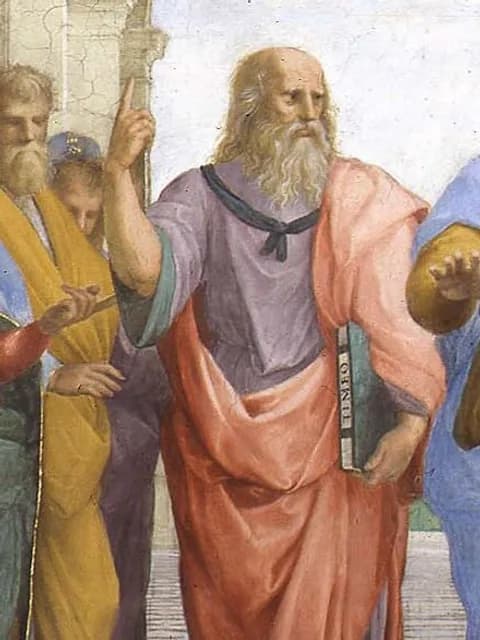
Family: Authoritarian and theocraticThomas HobbesTheodore RooseveltPlatoKey thinkers:Thomas Hobbes, Theodore Roosevelt, Plato

How close are you to Fascism?

Take the test and your match with Fascism shows up here. It is worked out in your browser and never sent anywhere.

Your alignment--%
Agree onTop 3 axes
Differ onKey gaps

What is Fascism?

Fascist movements, such as Mussolini’s in Italy, promised national rebirth through a one-party state, militarism and the subordination of the individual to the nation. They opposed liberalism, socialism and communism alike.

Historians still debate which regimes and movements count as fascist. The word is also used loosely in political arguments, which is why scholars urge care when applying it.

What are the core ideas of Fascism?

The ideas that most people in this tradition would sign up to.

  • Extreme nationalism and the cult of the leader
  • One-party, authoritarian rule
  • Militarism and the glorification of force
  • Suppression of opposition and civil liberties
  • A state-directed economy serving national goals

Where does Fascism come from?

It emerged in Italy after the First World War and was influential in interwar Europe. Its defeat in the Second World War discredited it, though its legacy remains a subject of study.

Which historical thinkers are closest to Fascism?

Thinkers whose documented positions on the 12 axes align most closely with this ideology.

Thomas Hobbes

Thomas Hobbes

Philosopher of sovereignty · 1588–1679

He placed peace and protection at the center of political life, arguing that a common sovereign authority was necessary to prevent civil conflict.

Closest aligned axisFederal vs Unitary

“Undivided sovereignty rather than competing independent centers of power.”

Theodore Roosevelt

Theodore Roosevelt

Twenty-sixth US president · 1858–1919

The US president who broke up trusts, protected large areas of land for conservation and pursued an assertive foreign policy, and who ran again in 1912 on the Progressive ticket.

Closest aligned axisCollectivize vs Privatize

“The New Nationalism puts human welfare above property rights and wants property subject to the public good.”

Plato

Plato

Athenian philosopher · 428/427–348/347 BC

An Athenian philosopher and student of Socrates who, in The Republic, pictured a just city ruled by those trained to know the good, and who distrusted democracy.

Closest aligned axisPlanned vs Laissez-faire

“Strict state coordination of social functions, education, and economic classes in the ideal city.”

Where does Fascism sit on the 12 axes?

These are its strongest leanings, followed by all twelve axes. They describe the typical version of the tradition.

Strongest leanings

Governmental

Federal vs Unitary
Federal 3%97% Unitary
Democratic vs Autocratic
Democratic 3%97% Autocratic
Security vs Freedom
Security 98%2% Freedom

Diplomatic

Nationalism vs Internationalism
Nationalism 98%2% Internationalism
Militarist vs Pacifist
Militarist 98%2% Pacifist
Assimilationist vs Multiculturalist
Assimilationist 97%3% Multiculturalist

Economic

Collectivize vs Privatize
Collectivize 62%38% Privatize
Planned vs Laissez-faire
Planned 88%12% Laissez-faire
Isolationism vs Globalism
Isolationism 92%8% Globalism

Societal

Irreligious vs Religious
Irreligious 55%45% Religious
Progressive vs Traditional
Progressive 10%90% Traditional
Acceleration vs Bioconservative
Acceleration 55%45% Bioconservative

Editorial estimates for comparison and discussion. Real people and parties in this tradition vary.

What are the main criticisms of Fascism?

Every tradition has critics. These are the objections most often raised.

  • Fascist regimes were responsible for mass repression, war and genocide, and the ideology is rejected across the mainstream political spectrum.

Fascism: frequently asked questions

Fascism is an authoritarian, ultranationalist ideology that emerged in early 20th-century Europe, glorifying the nation and a single leader, rejecting liberal democracy and using violence and propaganda to suppress opposition.

It depends on the question, because left and right mix several things. On the 12 axes, Fascism sits closest to public ownership and state direction on economics and to traditional values on social values.

Fascist regimes were responsible for mass repression, war and genocide, and the ideology is rejected across the mainstream political spectrum.

Take the 12 axes test. It scores you on twelve axes and shows how closely your profile matches Fascism and every other ideology on this site. The calculation happens in your browser.

Something else on your mind? Get in touch

Do you agree with Fascism?

The test scores you on all twelve axes and ranks every ideology by how well it matches you.