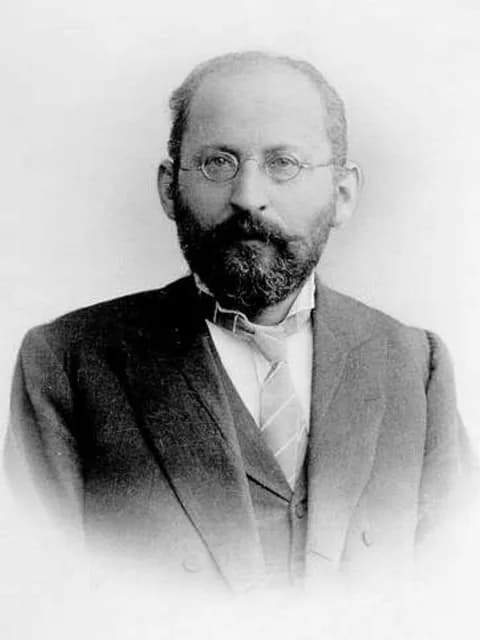
John Rawls
Harvard political philosopher · 1921–2002
An American philosopher who proposed that just institutions are those people would choose behind a veil of ignorance, with equal basic liberties and inequalities only where they help the worst off.
- Most alike on
- Irreligious vs Religious
- 1 point apart
- Least alike on
- Assimilationist vs Multiculturalist
- 7 points apart
How you compare, axis by axis
Based on A Theory of Justice and Political Liberalism. He defended fair equality of opportunity and the difference principle.
YouJohn Rawls
- Democratic vs Autocratic6 points apartDemocraticAutocratic
You: Democratic 86%. John Rawls: Democratic 80%.
Constitutional democracy embodying fair terms of social cooperation among free citizens.
- Security vs Freedom3 points apartSecurityFreedom
You: Freedom 78%. John Rawls: Freedom 75%.
First principle of justice guarantees an extensive scheme of equal basic liberties.
- Militarist vs Pacifist3 points apartMilitaristPacifist
You: Pacifist 62%. John Rawls: Pacifist 65%.
The Law of Peoples outlines a realistic utopia of decent, non-aggressive societies.
- Assimilationist vs Multiculturalist7 points apartAssimilationistMulticulturalist
You: Multiculturalist 72%. John Rawls: Multiculturalist 65%.
Reasonable pluralism within a shared framework of political justice.
- Collectivize vs Privatize2 points apartCollectivizePrivatize
You: Collectivize 60%. John Rawls: Collectivize 62%.
Justice as Fairness favours a property-owning democracy that spreads ownership of capital, over both welfare-state capitalism and command socialism.
- Irreligious vs Religious1 point apartIrreligiousReligious
You: Irreligious 76%. John Rawls: Irreligious 75%.
Public reason keeps religious doctrines out of the justification of basic laws.
- Progressive vs Traditional4 points apartProgressiveTraditional
You: Progressive 74%. John Rawls: Progressive 70%.
Progressive social reform to ensure fair equality of opportunity and dignity.
Not assessed, so not compared directly (counted as a fixed gap in the ranking, never as neutral): Federal vs Unitary, Nationalism vs Internationalism, Planned vs Laissez-faire, Isolationism vs Globalism, and Acceleration vs Bioconservative.
7 of 12 axes assessedSource: John Rawls · Stanford Encyclopedia of Philosophy